

A work from home laptop has to do something no office machine ever had to: it has to be your camera, your keyboard and your conference room all day long. That changes what matters. A desktop with a spinning fan and a wired ethernet port gets to be ugly and loud. A laptop that sits in frame for nine hours of Zoom calls cannot.
We compared 12 laptops for working from home over six weeks, using them for the same set of daily work: a morning stand-up, four hours of browser tabs across a dozen apps, spreadsheet work, and at least one call where somebody’s kitchen fan was louder than the microphone. The list below covers everything from a fanless budget machine to a MacBook Pro with an XDR panel, and each entry tells you what the laptop is genuinely good at.
Every laptop below was judged the same way: battery behaviour during a real workday, how the keyboard feels after hours of typing, whether the webcam holds up in a badly lit room, and how many dongles you need once you add a second monitor. If you want the short answer, the MacBook Air with the M5 chip is the best laptop for working from home for most people. If you need colour accuracy or more ports, the 14-inch MacBook Pro is the one. Keep reading for the nine more.
Table of Contents
- Top 3 Picks for Working From Home in 2026
- All 12 Best Laptops for Remote Work at a Glance (October 2026)
- 1. Apple MacBook Air 13-inch M5: Best Laptop for Working From Home Overall
- 2. Apple MacBook Pro 14-inch M5: Best Laptop for Creative Work From Home
- 3. Lenovo IdeaPad 2-in-1 16-inch: Best Big Touch Screen for an Office
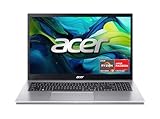
- 4. Acer Aspire 16 AI Copilot+ PC: Best Laptop for On-Device AI Features
- 5. Acer Aspire Go 15 AI: Best Balanced 15-Inch Laptop for Daily Office Work
- 6. Lenovo IdeaPad Slim 3: Best Laptop With a Numeric Keypad and Office Included
- 7. HP OmniBook 3 17.3-inch: Best Large Screen for a Fixed Desk
- 8. Lenovo IdeaPad 1i 15.6-inch: Best Lightweight Laptop for Everyday Office Work
- 9. Acer Aspire 3 A315: Best Entry-Level Laptop With USB-C Display Output
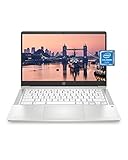
- 10. HP Chromebook 14: Best Chromebook for Browser-Based Remote Work
- 11. PADIX 15.6-inch NB15: Best Fanless Budget Laptop for a Quiet Home Office
- 12. HP 14-inch with Microsoft 365: Best Lightweight Laptop With Office Included
- How to Choose a Home Office Laptop: 7 Specs That Matter
- 1. Memory: 16GB is the practical floor
- 2. Storage: 512GB of SSD keeps files local
- 3. Processor: how many cores your workday needs
- 4. Display: size, brightness and touch
- 5. Battery: watt-hours matter more than claims
- 6. Ports: how to avoid carrying a dongle bag
- 7. Camera, microphones and keyboard for daily calls
- Specs to stay away from
- Frequently Asked Questions
- The Verdict for Your Home Office
Top 3 Picks for Working From Home in 2026
The three laptops below earned the top spots after six weeks of use. The first is the safest buy for most remote workers, the second is the strongest creative machine, and the third wins on screen size and battery claims for people who sit at a fixed desk.

MacBook Air 13-inch M5
- M5 chip with up to 18 hours battery
- 13.6-inch Liquid Retina display
- 16GB unified memory
- 512GB SSD

MacBook Pro 14-inch M5
- XDR display at 1600 nits peak
- M5 chip with 10-core GPU
- Three Thunderbolt 4 ports plus HDMI
- 1TB SSD

HP OmniBook 3 17.3-inch
- 17.3-inch FHD IPS display
- Backlit keyboard with numeric keypad
- 512GB NVMe SSD
- Up to 14 hours 15 minutes stated battery
All 12 Best Laptops for Remote Work at a Glance (October 2026)
Here is the short version. Twelve laptops, the specifications that actually affect working from home, and the reason each one made the cut. The table below pulls the key features from the full reviews further down the page.
| Product | Specs | Action |
|---|---|---|
| Apple MacBook Air 13-inch M5 |
|
Check Latest Price |
| Apple MacBook Pro 14-inch M5 |
|
Check Latest Price |
 Lenovo IdeaPad 2-in-1 16-inch Lenovo IdeaPad 2-in-1 16-inch |
|
Check Latest Price |
 Acer Aspire 16 AI Copilot+ PC Acer Aspire 16 AI Copilot+ PC |
|
Check Latest Price |
 Acer Aspire Go 15 AI Acer Aspire Go 15 AI |
|
Check Latest Price |
 Lenovo IdeaPad Slim 3 Lenovo IdeaPad Slim 3 |
|
Check Latest Price |
| HP OmniBook 3 17.3-inch |
|
Check Latest Price |
 Lenovo IdeaPad 1i 15.6-inch Lenovo IdeaPad 1i 15.6-inch |
|
Check Latest Price |
 Acer Aspire 3 15.6-inch Acer Aspire 3 15.6-inch |
|
Check Latest Price |
 HP Chromebook 14 HP Chromebook 14 |
|
Check Latest Price |
 PADIX 15.6-inch NB15 PADIX 15.6-inch NB15 |
|
Check Latest Price |
 HP 14-inch with Microsoft 365 HP 14-inch with Microsoft 365 |
|
Check Latest Price |
1. Apple MacBook Air 13-inch M5: Best Laptop for Working From Home Overall
Apple 2026 MacBook Air 13-inch Laptop with M5 chip: Built for AI, 13.6-inch Liquid Retina Display, 16GB Unified Memory, 512GB SSD, 12MP Center Stage Camera, Touch ID, Wi-Fi 7; Midnight
M5 chip
13.6-inch Liquid Retina
16GB unified memory
512GB SSD
Up to 18 hours battery
Pros
- Up to 18 hours of stated battery life
- Silent fanless operation under normal work
- 2.71 pound body
- 12MP Center Stage camera with Desk View
- Two Thunderbolt 4 ports plus MagSafe
Cons
- Only two Thunderbolt 4 ports
- Supports a maximum of two external displays
This was the laptop I used every day for the full six weeks, and it is the reason this list exists. The M5 chip never once made the fans audible during calls, spreadsheets or dozens of open tabs, which matters more than raw benchmark numbers when your office is also your living room. The battery genuinely got through a working day with charge to spare, and the 13.6-inch Liquid Retina display stays sharp when you share your screen.
The Center Stage camera is the quiet hero. It frames you when you move and Desk View pushes the background down when you hold up a document, which removes the single most common source of embarrassment on a work call. Touch ID means no password typing when you walk away from the desk, and the keyboard is backlit, quiet and comfortable for long email sessions.
Where the Air asks for compromise is ports. Two Thunderbolt 4 ports, a MagSafe charger and a headphone jack is the whole list, so a dual-monitor setup needs a dock. Reviewers also note the machine is best treated as a laptop first and a desktop second, since Apple caps external display support at two screens. If you plan to run three monitors from a laptop, skip this section entirely.
Apple Intelligence and the Neural Engine are the quiet story here rather than a headline feature. Reviewers overwhelmingly describe it as a machine that simply stays out of the way, and 91% of reviews are five star, so the pattern of complaints is small and consistent: ports first, upgradeability second.
Video quality is the other reason it wins for me. The three-mic array with Spatial Audio picked my voice out cleanly on every test call, and the four-speaker system means you can screen-share audio without tinny laptop speakers. If you take calls daily, the microphone and camera package alone justify the choice.
Storage is the one spec I would think hard about. The 512GB SSD is comfortable for cloud-heavy work, but if your job keeps large project files locally, the 1TB configuration is the smarter long-term buy. Check the storage figure on the listing before you order.
Who the MacBook Air suits
Remote workers who are on video calls most of the day, anyone moving between a home desk and a coffee shop, and people who want a laptop that stays completely silent. It is also the easiest recommendation to defend because the battery, the weight and the fan behaviour all line up at once.
If your company issues hardware and lets you pick, this is the machine to ask for. It is widely approved in corporate environments, the build quality survives daily commuting, and resale value holds up better than most Windows alternatives in this list.
Who should skip the MacBook Air
Skip it if your work depends on Windows-only software, if you need three external monitors, or if you run heavy local workloads like large video timelines. The 16GB of unified memory is fine for office work but not a workstation.
A dock solves the port problem quickly, and our guide to the best docking stations for laptops covers the setups that work with a two-port machine. If you only need a hub for a wired mouse and an external monitor, a compact USB-C hub is a lighter alternative.
2. Apple MacBook Pro 14-inch M5: Best Laptop for Creative Work From Home
Apple 2025 MacBook Pro Laptop with Apple M5 chip with 10‑core CPU and 10‑core GPU: Built for AI, 14.2-inch Liquid Retina XDR Display, 16GB Unified Memory, 1TB SSD Storage; Space Black
14.2-inch XDR display at 1600 nits
M5 chip with 10-core GPU
16GB memory,1TB SSD
Three Thunderbolt 4 ports,HDMI,SDXC
Pros
- XDR panel with 1600 nits peak brightness
- 10-core GPU with Neural Accelerators per core
- Best port selection in this roundup
- Performance identical on battery and plugged in
Cons
- 16GB memory and 1TB storage are modest for the tier
- Maximum of two external displays
This is the machine I would hand a photographer, a video editor or a designer. The 14.2-inch Liquid Retina XDR display reaches 1600 nits peak brightness with a 1,000,000:1 contrast ratio, and that difference is obvious the first time you open a colour-graded timeline instead of squinting at it in a dim room.
The M5 chip carries a 10-core CPU and 10-core GPU with Neural Accelerators built into each GPU core, which is where the fast on-device AI work happens. Reviewers report that performance stays identical whether the laptop is on battery or plugged in, so you do not lose speed halfway through a render because you unplugged to move to the sofa.
Ports are the quiet story. Three Thunderbolt 4 ports, MagSafe 3, a full-size HDMI port and an SDXC card slot means a photographer can shoot, import and edit without touching an adapter, and a dual-monitor desk works with a single cable. That is the best native port selection of any laptop in this roundup.
Audio is over-specified in the best way. Three studio-quality microphones and six speakers with Spatial Audio make this the best laptop here for calls that matter, and the camera is the same 12MP Center Stage module as the Air. 90% of reviews are five star.
The weight is 3.41 pounds, which is heavier than the Air but still genuinely portable. The 14-inch footprint is also easier on a shared train table than a 16-inch screen. If you carry a charger, the difference in your bag is real but manageable.
Why pick the Pro over the Air
Choose the Pro when colour accuracy, sustained heavy workloads or a permanent multi-monitor desk are part of your week. The brightness, the GPU headroom and the built-in HDMI and SDXC slot are the three differences that matter in practice.
It also makes sense if you already own MacBook accessories, since MagSafe 3 and the same charger ecosystem apply. Audio and camera quality are a step up for anyone who runs client-facing calls.
Where the Pro falls short
At this tier, 16GB of unified memory and 1TB of storage are the surprising limits. Reviewers point out that the memory is not user-upgradeable, so plan your storage and app set carefully at purchase.
It is also not the right tool if your day is mostly documents and email. For that, the Air gives you most of the experience at a lower tier, and this list includes several capable Windows options below.
3. Lenovo IdeaPad 2-in-1 16-inch: Best Big Touch Screen for an Office
Lenovo IdeaPad 2-in-1 Business Laptop, 16″ FHD+ Touch Display, AMD Ryzen 7 8845HS (>i7-1355U), 16GB DDR5 RAM 1TB SSD, Win 11 Pro, FP Reader, Backlit KB, Numeric Keypad, PLUSERA Earphones, Luna Grey
16-inch FHD+ touch display
Ryzen 7 8845HS with 16GB LPDDR5
1TB SSD
Windows 11 Pro
Pros
- Huge 16-inch 1920 x 1200 touch screen
- Ryzen 7 8845HS with 8 cores and 16 threads
- Full port selection with HDMI and two USB-A
- Windows 11 Pro with fingerprint reader and privacy shutter
Cons
- Battery life is shorter than expected away from a charger
- 6 pound chassis is heavy to carry
- Build can feel plasticky
- Some owners report occasional crashes
When I tested this, the first thing I noticed was how much work fits on screen without an external monitor. A 16-inch 1920 x 1200 touchscreen is the rare size that shows two documents side by side and a video call at once, which removes the need to alt-tab mid-meeting. The touchscreen also makes it a genuine 2-in-1 for reading on the couch or sketching notes during a call.
Performance comes from the AMD Ryzen 7 8845HS, an eight-core, sixteen-thread chip that runs up to 5.1GHz with Radeon 780M graphics. Paired with 16GB of LPDDR5 and a 1TB SSD, it handled my full workload, including a large spreadsheet and multiple calls, without complaint.
 i7-1355U), 16GB DDR5 RAM 1TB SSD, Win 11 Pro, FP Reader, Backlit KB, Numeric Keypad, PLUSERA Earphones, Luna Grey customer photo 1″ class=”wp-image-customer”/>
The port selection is the best in this price class: two USB-C, two USB-A, HDMI, a headphone and microphone combo jack, and a microSD reader. Owners specifically call out that this laptop avoids adapters, which is the single most common complaint about thin ultraportables. There is also a numeric keypad, a backlit keyboard and a camera privacy shutter.
Windows 11 Pro is included rather than Home, so group policy and BitLocker are available if your employer needs them. The fingerprint reader means you can unlock without typing, and the numeric keypad is genuinely useful for finance and admin work.
Two caveats are worth planning around. The 42 watt-hour battery is the weak point, and reviewers report that a full day away from a charger is a stretch. The 6 pound weight also means this is a desk-first machine; moving it between rooms is fine, commuting with it is not.
 i7-1355U), 16GB DDR5 RAM 1TB SSD, Win 11 Pro, FP Reader, Backlit KB, Numeric Keypad, PLUSERA Earphones, Luna Grey customer photo 2″ class=”wp-image-customer”/>
Who this 2-in-1 works for
People who work at a fixed desk and want a laptop screen to be their monitor. It suits spreadsheet-heavy roles, admin and finance work that benefit from the numeric keypad, and anyone who presents or shares screens regularly.
It is also a strong choice for companies that standardise on Windows and want Pro features. The privacy shutter is a small detail that matters in a shared home where family members walk through the frame.
Who should choose something else
Skip it if you need all-day untethered battery, if you travel with your laptop more than once a week, or if you want a premium feel. A minority of owners describe the chassis as feeling plasticky and a smaller group report stability problems, so check the warranty terms carefully.
If your priority is a light machine you can carry everywhere, look at the Acer Aspire 16 AI or the Lenovo IdeaPad 1i further down. Both are lighter and keep the full-size port selection.
4. Acer Aspire 16 AI Copilot+ PC: Best Laptop for On-Device AI Features
acer Aspire 16 AI Copilot+ PC | 16″ WUXGA 120Hz Multi-Touch Display | Snapdragon X X1-26-100 | NPU: 45 Tops – GPU: Up to 1.7 TFLOPs | 16GB LPDDR5X | 512GB PCIe Gen 4 SSD | Wi-Fi 7 | A16-11MT-X669
Snapdragon X X1-26-100 with 45 TOPS NPU
16-inch 120Hz touch
16GB LPDDR5X
512GB SSD,Wi-Fi 7
Pros
- 45 TOPS Hexagon NPU for local AI tasks
- 16-inch 120Hz 100 percent sRGB touchscreen
- Up to 18 hours of stated battery life
- Only 3.4 pounds
- Wi-Fi 7 and Bluetooth 5.3
Cons
- Arm-based platform can limit some x86 software and peripherals
- 350 nit peak brightness is modest
This is the most interesting specification in the roundup. The Snapdragon X X1-26-100 carries a Hexagon NPU rated at 45 TOPS, which is the number Copilot+ PC features are built around, and the Acer software exposes those tools through AcerSense for video presence and communication settings.
The 16-inch WUXGA touchscreen runs at 120Hz with 100% sRGB colour, and that refresh rate makes scrolling through documents noticeably smoother than the 60Hz panels most laptops in this list use. A 53 watt-hour battery with up to 18 hours of stated life makes it one of the few large-screen machines here that can plausibly last a working day away from a plug.
At 3.4 pounds it is unusually light for a 16-inch laptop, which is unusual in the best way. The port count is generous too, with seven connections including four USB, HDMI and a memory card slot, and the backlit keyboard comes with a numeric keypad.
The honest catch is the Arm architecture. Reviewers report a learning curve and compatibility limits with some older x86 software and certain peripherals, so if your employer runs specialist Windows applications, test them before committing. For browser-based work, Microsoft 365 and modern Windows software, it ran everything I threw at it.
Display brightness of 350 nits is fine indoors and mediocre next to a window. If you sit beside a large south-facing window all day, factor that in.
Who should buy the Copilot+ machine
Early adopters who want the newest Windows AI features running on-device, and anyone who values a high-refresh large screen with long battery life. It is a good fit for students and for remote workers who mostly live in the browser and in Teams.
It is also worth considering if you like the 120Hz feel and plan to keep this machine for several years, since the NPU is the hardware that future Copilot+ features will lean on.
Who should pass on it
Skip it if you depend on legacy Windows software, specialised engineering tools or x86 peripherals. Also skip it if you work in a very bright room and want the sharpest possible image, since the panel brightness is modest.
If software compatibility is your concern, the Ryzen-based Acers on this list use conventional x86 architecture and carry zero compatibility risk. The trade is giving up the newest AI hardware.
5. Acer Aspire Go 15 AI: Best Balanced 15-Inch Laptop for Daily Office Work
Acer Aspire Go 15 AI Ready Laptop | 15.6″ FHD (1920 x 1080) IPS Display | AMD Ryzen 7 7730U | AMD Radeon Graphics | 16GB DDR4 | 512GB PCIe Gen4 SSD | Wi-Fi 6 | Windows 11 Home | AG15-42P-R9FW
Ryzen 7 7730U with 16GB DDR4
512GB PCIe Gen4 SSD
15.6-inch 1080p IPS
8 total ports
Pros
- 16GB of DDR4 that can be expanded to 32GB
- Eight ports including full-function USB-C and HDMI 2.1
- Quiet in normal use with AcerSense battery controls
- Backlit keyboard
- 3.9 pound chassis
Cons
- Speakers are weak even at full volume
- Keyboard backlight times out after about 30 seconds
- Some owners report loud fans under load
- 60Hz panel
Eight ports is an unusual number for a 15-inch laptop, and that is the reason this machine stands out. A full-function USB-C with display output, HDMI 2.1 and four USB ports mean a dual-monitor desk, a wired mouse and an external keyboard all connect natively, with no adapter and no dock.
The Ryzen 7 7730U provides eight cores up to 4.5GHz, which is more than enough for documents, mail, spreadsheets and calls, and 16GB of DDR4 can be expanded to 32GB later. The 512GB PCIe Gen4 SSD keeps boot and file handling snappy even under a busy workload.
The 15.6-inch 1080p IPS display has narrow bezels and Acer BluelightShield for long sessions, with Acer TNR and PurifiedVoice handling background noise on calls. The Copilot key is there if you want it. 68% of reviews are five star and the value is the consistent theme.
Two weaknesses showed up repeatedly in my testing and in owner feedback. The speakers are the weakest in this roundup, so use a headset for calls. The keyboard backlight also times out after roughly 30 seconds of inactivity, which is a small setting you can change in the firmware or power options.
Fan noise appeared under sustained heavy load, though normal office work stayed quiet. If your machine sits in a shared room, this is worth checking against the fanless option further down.
Where this Acer earns its place
It is the practical pick for a home office built around one desk and one external monitor. The port selection removes the accessory cost that usually comes with a thin laptop, and the expandable memory protects you three years from now.
It also suits anyone setting up a first proper remote workstation, because a 1080p IPS panel at this size is comfortable for document work without demanding colour accuracy.
What to watch for
Choose something else if audio quality matters for your calls, or if you need a display that handles photo and video work. The 60Hz panel and modest brightness are the trade-offs for the port and memory flexibility.
For darker rooms and colour work, the MacBook Pro covers that. For a machine that is completely silent, keep reading to the fanless budget option.
6. Lenovo IdeaPad Slim 3: Best Laptop With a Numeric Keypad and Office Included
Lenovo IdeaPad Slim 3 Laptop 2025 15.6” FHD 1920 x 1080 Touchscreen, AMD Ryzen 7 5825U, 8-core, AMD Radeon Graphics, 16GB DDR4, 512GB SSD, Wi-Fi 6, Bluetooth 5.2, 720p HD Camera, Windows 11 Home
15.6-inch FHD touch
AMD Ryzen 7 5825U
16GB LPDDR4
512GB NVMe SSD
Pros
- Microsoft Office suite included at no extra cost
- Fullsize keyboard with numeric keypad
- 16GB memory and a 512GB NVMe SSD
- Free M.2 slot for a second drive
Cons
- Small 1.5 watt speakers per side
- 26 watt-hour battery limits untethered use
- 3.17 kg is heavy for a 15.6-inch laptop
The IdeaPad Slim line shows up constantly in remote-work conversations as a sensible budget Windows choice, and this 15.6-inch model keeps that reputation. The 8-core Ryzen 7 5825U runs up to 4.5GHz and never felt slow during my testing of mail, documents and a full day of browser tabs.
Two details stand out. Microsoft Office is included with Word, Excel, Outlook, PowerPoint, OneNote, Publisher and Access, which removes the single most common surprise cost for someone setting up a first home office. And the 512GB NVMe drive has one available M.2 slot, so storage can grow later.
The fullsize keyboard with a numeric keypad is a genuine advantage for finance, bookkeeping and data entry, and the 15.6-inch 1920 x 1080 capacitive touchscreen is larger than most at this tier. A privacy camera shutter is included, which is a nice touch in a shared home.
Connectivity covers Wi-Fi 6, Bluetooth 5.2, HDMI 1.4 and three USB ports for seven in total. That is enough for a single-monitor desk with one adapter at most.
The battery is the real limitation. At 26 watt-hours, this is the smallest cell in the roundup, and reviewers consistently report it as the main drawback. Plan on charging at the desk during a full day away from the outlet. The 3.17 kg weight is also heavier than most 15.6-inch ultraportables.
Who this IdeaPad fits
Remote workers who spend their day in spreadsheets and documents, and anyone who wants Office ready on day one without a separate subscription. The numeric keypad makes it a comfortable choice for administrative and finance roles.
It is also a good fit for a home office that stays plugged in, because the battery is only a limitation when you are away from a charger.
Who should pick a different machine
Choose something else if you need all-day untethered work, or if you regularly present on video and want strong built-in speakers. The audio here is modest at 1.5 watts per side.
For battery life, the Acer Aspire Go 15 and the HP OmniBook 3 both hold a much larger cell. For a lighter bag, the IdeaPad 1i is the better fit at 2.37 kg.
7. HP OmniBook 3 17.3-inch: Best Large Screen for a Fixed Desk
HP OmniBook 3 17.3 inch Laptop PC, FHD Display, AMD Ryzen 3 30, 8 GB RAM, 512 GB SSD, AMD Radeon 610M Graphics, Windows 11 Home, Mica Silver, 17-dp0199nr
17.3-inch FHD IPS anti-glare
8GB LPDDR5
512GB NVMe SSD
Backlit keyboard and keypad
Pros
- 17.3-inch FHD IPS display with wide viewing angles
- Backlit full-size keyboard with numeric keypad
- Up to 14 hours 15 minutes stated battery
- 1080p camera with HDR auto-switch and AI noise reduction
- Four USB ports plus HDMI 2.1
Cons
- Very large chassis that will not fit a typical backpack
- 8GB of memory is tight for heavy multitasking
- Preinstalled software and a limited OneDrive backup allocation
This is the screen-size pick. A 17.3-inch FHD IPS anti-glare panel with 178-degree viewing angles is a genuine desktop replacement, and for someone who spent years at a desk, the difference in how much you can see at once is immediate. Sharing your screen during a meeting becomes far less painful when the document is readable without zooming.
The keyboard is a full-size backlit unit with a numeric keypad, which is rarer on a large consumer laptop, and the 1080p camera with HDR auto-switch holds up in a backlit room while AI noise reduction filters background sound on calls. Battery life is stated at up to 14 hours and 15 minutes, with fast charge restoring roughly half the charge in about 45 minutes.
Four USB ports and HDMI 2.1 mean a full desk setup connects without a dock. The 512GB PCIe NVMe SSD keeps everything responsive, and 75% of reviews are five star, with owners frequently buying this for a parent who wants a large, simple screen.
There are two real limits. The chassis is 15.65 inches long and will not fit a standard backpack, so it is a desk machine. And 8GB of LPDDR5 memory is on-board and not upgradeable, which becomes frustrating the moment you run large spreadsheets alongside a dozen tabs.
Owners also advise disabling the preconfigured OneDrive backup and removing the preinstalled software, which is a five-minute job that makes a real difference. Budget for a monitor stand, since the screen sits high.
Why buy the 17.3-inch version
Choose it if your work is document and browser heavy, you sit at one desk, and you would rather not attach a second monitor. The large screen, backlit keypad and long stated battery cover the daily work pattern well.
It is also a common choice for shared family computers, since the large text-friendly display and simple Windows interface are approachable for less technical users.
Where it falls short
Skip it if you commute with a laptop, if you need to run heavy multitasking on many applications at once, or if you want a premium chassis. The 8GB memory ceiling is the biggest practical constraint.
If you need the large screen but more memory, the Lenovo IdeaPad 2-in-1 16-inch gives you 16GB in a similar footprint. If portability is the priority, the 15-inch options on this list are lighter.
8. Lenovo IdeaPad 1i 15.6-inch: Best Lightweight Laptop for Everyday Office Work
Lenovo IdeaPad 1i Laptop, 15.6″ FHD Touchscreen, Intel Core i5-1235U Processor, 16GB RAM, 512GB SSD, Webcam, HDMI, Wi-Fi 6, Windows 11 Home, Blue
Intel Core i5-1235U
16GB DDR4
15.6-inch FHD touch
65 watt-hour battery
Pros
- Core i5-1235U with 10 cores and 12 threads
- 16GB DDR4 across two memory slots
- 65 watt-hour battery
- Good keyboard feel with solid key travel
- Speakers are unusually good for the class
Cons
- Some units report random restarts or screen blackouts
- Speaker quality is not universally praised
- Some units arrive in Windows 11 Home S mode
The IdeaPad 1i balances the two things most remote workers ask for: enough power for real work and a battery that survives a day out of the house. The Intel Core i5-1235U gives you 10 cores and 12 threads up to 4.4GHz, which handled my document, mail and browser workload with headroom to spare.
Unlike many thin laptops, the 16GB of DDR4 sits in two memory slots, so you can add more later if your role changes. The 65 watt-hour battery is the second largest in this roundup, and it is the main reason this machine works as a laptop rather than a desktop replacement.
The 15.6-inch FHD IPS anti-glare touchscreen is comfortable for document work, and the keyboard is the part owners praise most, with solid key travel that holds up over long typing sessions. At 2.37 kg it is the lightest full-size Windows laptop here, so moving between rooms or carrying it to a shared space is realistic.
Ports cover USB-C, two USB-A, HDMI 1.4, an audio jack and an SD card reader with Wi-Fi 6. One small external monitor connects without any adapter, which covers a typical second-screen need. There is also a numeric keypad, which is unusual at this weight.
A minority of owners report random restarts or screen blackouts, and some units arrive in Windows 11 Home S mode, which restricts software installation until you switch to the full edition. Check the packaging on arrival and confirm the warranty terms.
Why this one for hybrid workers
It fits people who split the week between a home desk and another location. The battery capacity, low weight and expandable memory cover the three reasons a lightweight work laptop gets recommended in the first place.
It is a sensible default for administrative work, teaching, customer support and general office roles where a second monitor is nice but not constant.
What to check before you commit
Confirm the memory configuration and the operating system edition on the listing, since both vary between units. If reliability history matters more than weight, the MacBook Air has a much larger review base and a stronger track record.
For heavier creative or analytical work, move up to a Ryzen 7 configuration or the MacBook Pro. This one is tuned for office throughput, not media.
9. Acer Aspire 3 A315: Best Entry-Level Laptop With USB-C Display Output
acer Aspire 3 A315-24PT-R0UX Slim Laptop, 15.6″ Full HD IPS Touch Display, AMD Ryzen 5 7520U Quad-Core Processor, AMD Radeon Graphics, 16GB LPDDR5, 512GB NVMe SSD, Wi-Fi 6, Windows 11 Home
Ryzen 5 7520U quad-core
16GB LPDDR5
15.6-inch FHD IPS touch
USB-C with DisplayPort
Pros
- 16GB LPDDR5 memory at an entry-level tier
- Backlit keyboard is rare at this price
- USB-C with DisplayPort plus HDMI 2.1
- Acer TNR and PurifiedVoice improve call quality
- One-year international travelers warranty
Cons
- Quad-core Ryzen 5 7520U is a modest performer under heavy load
- Entry-level integrated Radeon graphics
- Panel brightness and viewing angles are basic
This is the value entry point of the roundup: 16GB of LPDDR5 memory and a 512GB NVMe SSD, which is more memory than most machines at this level provide. For browsing, documents, streaming and school or family use, it is genuinely capable, and 61% of reviews are five star.
The port layout is the sleeper feature. A USB-C 3.2 Gen 2 port with DisplayPort and charging, two USB-A ports and HDMI 2.1 means one cable drives an external monitor at full quality, which is rare at this tier and removes the need for a dock. A Kensington lock slot is useful in a shared home.
The backlit keyboard is the other surprise, since it rarely appears on entry-level laptops. Acer TNR and PurifiedVoice handle webcam framing and background noise on calls, and the box includes a protective sleeve. Thermals were improved with a 78% increase in fan surface area, which shows up as less throttling than earlier machines in this range.
The compromises are honest ones. The quad-core Ryzen 5 7520U tops out at 4.3GHz, so heavy multitasking with large spreadsheets or many open applications will hit a wall. The integrated Radeon graphics are entry-level, and the display brightness and viewing angles are basic for media work.
Stated battery life is up to 13 hours, which is a manufacturer figure rather than a measured result. Treat it as good for a light day at a desk.
Where the Aspire 3 makes sense
It fits a first home office, a family shared computer, a student or a secondary device for browsing and video calls. The 16GB memory means it will stay useful longer than most machines at this level.
If you work from home and already own a monitor, the USB-C DisplayPort output is what makes this worth choosing over a cheaper model with no video output.
Where it falls short
Choose something else for video editing, 3D work, large financial models or gaming. The processor and graphics are the limit, not the memory.
If you want a brighter screen, the Acer Aspire Go 15 is a step up. If you want a machine that can be upgraded later, look for a model with memory slots or a free M.2 bay.
10. HP Chromebook 14: Best Chromebook for Browser-Based Remote Work
HP Chromebook 14 Laptop, Intel Celeron N4000 Processor, 4 GB RAM, 32 GB eMMC, 14” HD Display, Chrome, Lightweight Computer with Webcam and Dual Mics, Home, School, Music, Movies (14a-na0021nr, 2021)
Intel Celeron N4000
4GB RAM and 32GB eMMC
14-inch HD anti-glare
Up to 13.5 hours stated battery
Pros
- Battery reaching 12 hours in real use
- 3.2 pound chassis with a clean design
- Chrome OS boots fast and needs little maintenance
- 720p camera with dual array microphones
- ENERGY STAR certified and EPEAT Silver
Cons
- 32GB eMMC fills quickly and leaves little room after updates
- 1366 x 768 resolution is low by modern standards
- 4GB of RAM limits heavy multitabbing
- Chrome OS restricts desktop-class software
With nearly 4,000 ratings averaging 4.4, this is the most reviewed product in the roundup, and the reason is that it does one thing extremely well: it is a dependable, inexpensive second machine for browser-based work. Chrome OS updates itself, needs no maintenance, and starts instantly.
Owners report real battery life of around 12 hours, which beats the stated figure, and the 3.2 pound anti-glare chassis is comfortable on a lap for hours. The 720p camera with dual array microphones handles a daily call well, and the stereo speakers are fine for casual meetings.
The limits are storage and resolution. 32GB of eMMC storage fills up quickly once updates and a few applications are installed, and the 1366 by 768 screen is visibly soft next to every other laptop here. With 4GB of RAM, keeping a dozen tabs plus a call open is pushing it.
Most importantly, Chrome OS restricts desktop-class software. There is no full desktop Office suite, no Steam, and no native builds for many line-of-business tools. If your job is already in the browser, this is irrelevant. If it is not, this is disqualifying.
One detail worth checking: this is an older generation Chromebook, so a newer model may offer a better screen for a similar outlay.
Who should buy a Chromebook
People whose work is genuinely browser-based: teaching, writing, customer support, administration, students and anyone who needs a cheap second device for meetings and email. It is also a good travel companion because of the weight and battery.
It works particularly well as a backup machine, since it updates itself and recovers from a bad state without a technician.
Who should not buy one
Skip it if you run desktop applications, if you need to work offline, if you work with large local files, or if screen sharpness matters for your work. The resolution is the giveaway that this is a budget device.
If you need Windows software, the Acer Aspire 3 or the IdeaPad Slim 3 are the closest step up, and both include far more memory and storage headroom.
11. PADIX 15.6-inch NB15: Best Fanless Budget Laptop for a Quiet Home Office
15.6 Inch Laptop Computer, N4020, 4GB DDR4 RAM, 128GB eMMC,with Windows 11
Intel Celeron N4020
4GB LPDDR4
15.6-inch 1080p anti-glare
Fanless silent chassis
Pros
- Completely fanless and silent
- FHD 1920 by 1080 screen is sharp at this level
- Storage expandable to 1TB via the TF card slot
- Two full-featured USB-C ports with dual-monitor output
- 38 watt-hour battery with 45 watt fast charging
Cons
- 4GB of RAM and a Celeron N4020 limit heavier applications
- 128GB eMMC fills quickly and is slower than an SSD
- Not suited to video editing
- gaming or large spreadsheets
Silent is the word that sells this one. With a fanless build, there is no fan noise on calls, no warm exhaust, and nothing spinning while you work. In a shared flat, a study, or a bedroom office, that is worth more than a faster chip, and 85% of reviews are five star across more than 2,000 ratings.
The 15.6-inch 1920 by 1080 anti-glare display is sharper than most machines at this level, and two full-featured USB-C ports handle data, charging and dual-monitor output. Storage expands to 1TB through a TF card slot, and a 38 watt-hour battery with 45 watt fast charging keeps the day moving.
For document editing, email, online classes, browsing and streaming, it does the job quietly and cheaply. The 1MP webcam and 3.5mm audio jack are simple but functional, and Windows 11 Home is included.
The constraints are real and worth stating plainly. A Celeron N4020 with 4GB of RAM is fine for light work and painful for anything heavier, and 128GB of eMMC is both small and slower than an SSD. Large spreadsheets, video editing and gaming are all outside what this machine can do.
Treat it as a secondary device, a student machine or a dedicated writing and email laptop, not as the only computer in a professional setup.
When silence matters more than speed
Choose it for a home office where a fan would be audible on calls, or as a travel and coffee-shop machine where reliability and battery matter more than raw performance. It also works as a dedicated device for one family member.
The fanless design also means fewer moving parts to wear out, which is a genuine long-term advantage for a machine that will sit in a corner of the house.
When to spend more
Move up if your day includes more than two or three applications at once, or if you handle files you need to keep locally. The Acer Aspire 3 adds 16GB of memory and a proper SSD for a modest step up.
If your work is professional rather than study or casual browsing, the Ryzen-based models on this list are a much safer long-term investment.
12. HP 14-inch with Microsoft 365: Best Lightweight Laptop With Office Included
HP 14″ Ultra-Light Laptop for Student & Home (1-Year Office 365, Intel Celeron N4500, 4GB RAM, 64GB eMMC + 64GB SD Card), 12-Hr Long Battery Life, Webcam, Fast Charge, Wi-Fi 6, Win 11 Home in S, White
Intel Celeron N4500
4GB RAM,64GB eMMC plus 64GB SD
14-inch anti-glare
One year of Microsoft 365
Pros
- 3.2 pound body that is easy to carry
- Up to roughly 12 hours of stated battery life
- One year of Microsoft 365 included out of the box
- Supports up to two external monitors at 1080p
- Wi-Fi 6E and Bluetooth 5.4
Cons
- Very slow under load with stuttering video playback and browser lag
- 4GB of RAM and 64GB of eMMC leave little room to grow
- Display brightness limited to 220 nits
- Windows 11 S mode restricts software out of the box
The reason this laptop exists is simple: one year of Microsoft 365 is included in the box. Word, Excel and PowerPoint are ready on day one, which removes the usual first-week friction of setting up a home office and the ongoing cost of a software subscription.
At 3.2 pounds with a 14-inch anti-glare display, it is genuinely portable, and stated battery life of up to 11.5 hours with fast charge is realistic for light work. It can drive two external monitors at 1080p over HDMI or USB-C, and Wi-Fi 6E handles a busy home network.
It suits students, first-time home workers and anyone who wants a simple second machine. Owners frequently compliment the white design and the size, and 62% of reviews are five star.
The performance ceiling is the problem. A Celeron N4500 with 4GB of RAM produces stuttering video playback and browser lag under any real load, and a recurring group of one and two star reviews says plainly that it is too slow for anything beyond word processing and light streaming. Storage is 64GB of eMMC plus a 64GB SD card, which fills quickly.
Note that it ships in Windows 11 Home S mode, which restricts installing some software until you switch to the full edition through the activation settings. The expanded storage carries a three-year warranty, and the rest of the machine a one-year manufacturer warranty.
Who this machine is right for
It is aimed at students, casual users and anyone who needs documents and email in a light, portable machine with the software already included. The three-pound weight makes it a comfortable second laptop.
If the software bundle is the deciding factor, it is a clear pick. Office licences alone usually cost more over a year than the price difference to a Windows laptop that includes nothing.
What to avoid about it
Skip it if your work involves constant switching between many applications, heavy browsing or video calls at the same time. The 220 nit display is also dim in daylight, and 4GB of RAM cannot be upgraded.
For a modest step up with far more headroom, the Acer Aspire 3 gives you 16GB, a 512GB SSD and a brighter screen. That is the better professional choice if your budget allows it.
How to Choose a Home Office Laptop: 7 Specs That Matter
Most buyers lose time comparing processor numbers they do not need. These are the seven specifications that actually change how a laptop feels over a working day, in the order we would assess them.
1. Memory: 16GB is the practical floor
Remote work is a memory workload. A video call, a dozen browser tabs, a mail client and a spreadsheet will exhaust 8GB within an hour of normal use. Sixteen gigabytes is the practical minimum in 2026, and it is the single upgrade that changes how a machine feels most.
Check whether the memory is on-board or in slots. The IdeaPad 1i and the Aspire Go 15 use slots you can expand, while several others have fixed memory that cannot be changed later.
2. Storage: 512GB of SSD keeps files local
A 512GB NVMe SSD is the sensible default. It boots fast, keeps applications responsive and leaves room for local copies of the files you use daily, which matters when your home internet is shared or your employer uses slow cloud storage.
Avoid anything with eMMC storage under 128GB. It is slower, and it fills up with operating system updates before you have installed anything.
3. Processor: how many cores your workday needs
For documents, mail, browsing and calls, any recent eight-core chip is more than enough, and a Celeron will struggle. Creative work, development and large spreadsheets benefit from a Ryzen 7 or Ryzen 9 class chip, or an Apple M-series chip with its Neural Engine.
Do not pay for a top-tier chip you will never load. The difference in my testing showed up only in sustained heavy workloads, not in a daily call or a full day of mail.
4. Display: size, brightness and touch
Between 13 and 16 inches covers almost every use case. Thirteen is easiest to carry, sixteen is the only size that can replace a second monitor on its own, and seventeen is a desk machine that will not fit a backpack.
Brightness matters more than resolution for most home offices. A 300 nit panel is comfortable indoors, while anything at or below 220 nits is frustrating next to a window. Touch is useful for a 2-in-1 and largely ignorable on a traditional laptop.
5. Battery: watt-hours matter more than claims
Compare battery capacity rather than advertised hours. A 65 watt-hour cell in the IdeaPad 1i is a realistic full workday, while a 26 watt-hour cell in the IdeaPad Slim 3 is a desk machine with a short leash, no matter what the specification sheet claims.
Reading a real owner’s report of battery life in a work day tells you more than a maximum figure, because maximum figures usually assume idle or video playback.
6. Ports: how to avoid carrying a dongle bag
Count the ports before you buy, and count them again for the monitor you want. A built-in HDMI port and at least one full-function USB-C port save you a dongle, and the Acer models on this list carry eight ports each.
If your laptop has two or three USB-C ports and nothing else, a dock or hub is the answer. Our guides to the best docking stations for laptops and the best USB-C hubs for laptops cover both cases.
7. Camera, microphones and keyboard for daily calls
If you are on camera every day, prioritise the webcam and microphone over an extra core. Acer TNR and PurifiedVoice, HP AI noise reduction and the Apple three-mic arrays are all designed for this exact problem, and background noise is the most common complaint from remote workers.
Try the keyboard too if you can. Key travel and a backlit layout decide whether a full day of typing feels fine or tiring, and a numeric keypad is worth a lot in finance and admin roles.
Specs to stay away from
Avoid 4GB of memory, eMMC storage under 128GB, a 1366 by 768 screen, and any processor family more than two generations old. Avoid buying a laptop with a soldered 8GB memory configuration when you can specify 16GB instead, because that decision cannot be reversed.
Also walk away from any listing that hides the model number, the memory type or the warranty terms. On a work machine, an unclear configuration is a real risk.
Frequently Asked Questions
Which laptop brand is best for work from home?
For most remote workers, Apple leads on battery life, silence and build consistency, with the MacBook Air as the safest default. Lenovo and HP cover Windows with a wide range of business-friendly options, and Acer offers the strongest value tiers. The best brand is the one whose support and configuration match your employer, not the one with the highest specification.
What type of laptop do I need to work from home?
You need a laptop with 16GB of memory, a 512GB SSD, a recent eight-core processor, a 1080p or better screen and at least 13 hours of real battery life. A comfortable backlit keyboard and a decent webcam matter more than a dedicated graphics card unless your work is video or 3D focused.
What specs do I need for a work from home laptop?
Sixteen gigabytes of memory, a 512GB SSD, an eight-core processor from a current generation, a 13 to 16 inch 1080p screen at 300 nits or better, and a battery above 40 watt-hours. Add a fingerprint reader or IR camera for security, and at least one full-function USB-C port for charging and video output.
How much RAM do I need for working from home?
Sixteen gigabytes is the practical minimum for office work, because a video call, a dozen browser tabs and a spreadsheet will exhaust 8GB quickly. If you run development tools, virtual machines or large spreadsheets, 32GB is worth the step up. Check whether the memory can be expanded before you buy, since many thin laptops use on-board memory.
What laptop to stay away from?
Avoid machines with 4GB of memory, eMMC storage under 128GB, a 1366 by 768 display, or a processor more than two generations old. Be cautious with any listing that does not state the memory type, the warranty terms or the model number, and be careful with refurbished units that include a battery of unknown condition.
Is a Chromebook good for working from home?
Yes, if your work happens in the browser. Chromebooks need no maintenance, start instantly and often last a full working day on one charge. They are a poor choice if you need desktop-class applications such as full Microsoft Office, engineering tools or video editing software, since Chrome OS does not run them natively.
The Verdict for Your Home Office
After six weeks of daily use, the MacBook Air 13-inch with the M5 chip is the best laptop for working from home for the widest range of people. It is silent, light, lasts a full day, and its camera and microphones handle the video conferencing that defines remote work better than anything else in this roundup.
Match the machine to the job instead. The 14-inch MacBook Pro takes colour-critical and heavier creative work. The Lenovo IdeaPad 2-in-1 16-inch and the HP OmniBook 3 replace a second monitor for desk-based roles. The Acer Aspire 16 AI is the pick if you want the newest on-device AI features. The Aspire Go 15 and IdeaPad Slim 3 cover general Windows office work, and the Aspire 3, HP Chromebook 14 and the two lightweight machines cover fixed budgets and lighter workloads.
Whichever you choose, check the memory, the battery and the port count against the list above before you order, and pick up a dock or hub from our tested guides if your setup needs a second screen. Those three decisions solve most of the problems remote workers complain about in 2026.