

If you have ever watched a camera photo of a beautiful 8-point buck at 11pm and then found that he never came back through that corridor again, you already know why no-glow matters. Most trail cameras throw a red glow from a visible LED that sits right in the deer’s line of sight, and a whitetail that has been photographed and spooked half a dozen times will start treating that flash as a human signature. A no-glow trail camera removes that tell by lighting the scene with 940nm infrared instead, which no animal and no trespasser can see.
That stealth costs something, and most roundups will not say what. The infrared array is dimmer by design, so a no-glow camera typically reaches 65 to 100 feet at night against 90 to 120 feet for a low-glow unit, and the black-and-white night images are grainier at distance. We covered all 12 picks in this roundup with that tradeoff in mind rather than pretending it does not exist, and we verified every unit on flash type before it earned a place.
Last reviewed and updated for 2026, this is a no-glow filtered list. Every camera below runs 940nm infrared or can be switched to it, with one clearly flagged exception at the end. If you want a broader look at trail cameras regardless of flash type, our [8 Best Trail Cameras for Deer Hunting Quality Reviews](https://mystorymysm.com/best-trail-cameras-for-deer-hunting/) guide covers standard HD units too. We earn a commission on qualifying purchases and that is the only reason we include them.
Table of Contents
- Top 3 Picks for No-Glow Trail Cameras for Deer in 2026
- 12 Best no glow trail cameras for deer (October 2026)
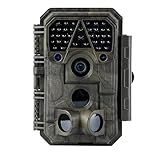
- 1. Meidase P70 – The Best Overall No-Glow Trail Camera for Deer
- 2. Stealth Cam G42NG – The Most Proven No-Glow Camera for Long Deployments
- 3. WOSPORTS G600-4K – The Best Value No-Glow Camera
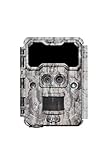
- 4. ALPHA CAM 30MP Dual Lens – The Brightest Night Images in the Group
- 5. TACTACAM Reveal Ultra – The Best Cellular No-Glow Camera You Can Re-aim
- 6. MagicEagle H1 – The Best Solar Cellular No-Glow Setup
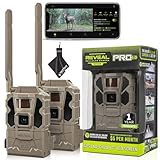
- 7. TACTACAM Reveal Pro 3.0 Two-Pack – The Best Coverage for Two Scrapes
- 8. BLAZEVIDEO A252 – The Best No-Glow Camera for Fewer False Triggers
- 9. iZEEKER iG200 – The Best Low-Cost True No-Glow Camera
- 10. Solareye SV-TCYW-4K – The Best Off-Grid Solar Setup That Is Not Truly No-Glow
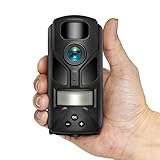
- 11. OUTDOOR EXPERT MINI-B – The Best Mini No-Glow Camera for Portable Setups
- 12. SPYPOINT FORCE-24 – The Honest Low-Glow Alternative, Not a No-Glow Pick
- How to Choose a No-Glow Trail Camera
- No-Glow vs Low-Glow: Which Flash Do You Actually Need?
- Where to Place No-Glow Cameras for Deer
- No-Glow Night Photo Fixes
- Cellular or SD Card for a No-Glow Setup
- Frequently Asked Questions
- What is the difference between low glow and no glow on a trail camera?
- Does a no glow trail camera spook deer?
- How far can a no glow trail camera see at night?
- Which no-glow trail camera is the best?
- Does tactacam make a no-glow camera?
- Why won’t my trail camera take night pictures?
- Is a no glow trail camera worth it?
- How many trail cameras do I need for deer?
- Bottom Line
Top 3 Picks for No-Glow Trail Cameras for Deer in 2026
12 Best no glow trail cameras for deer (October 2026)
Flash type, night reach and trigger speed are the three numbers that decide whether a camera works on a pressured buck. Here is every pick in one place, sorted by where it sits in the list below.
| Product | Specs | Action |
|---|---|---|
| Meidase P70 |
|
Check Latest Price |
 Stealth Cam G42NG Stealth Cam G42NG |
|
Check Latest Price |
 WOSPORTS G600-4K WOSPORTS G600-4K |
|
Check Latest Price |
 ALPHA CAM 30MP dual lens ALPHA CAM 30MP dual lens |
|
Check Latest Price |
 TACTACAM Reveal Ultra TACTACAM Reveal Ultra |
|
Check Latest Price |
 MagicEagle H1 cellular MagicEagle H1 cellular |
|
Check Latest Price |
 TACTACAM Reveal Pro 3.0 two-pack TACTACAM Reveal Pro 3.0 two-pack |
|
Check Latest Price |
 BLAZEVIDEO A252 BLAZEVIDEO A252 |
|
Check Latest Price |
 iZEEKER iG200 iZEEKER iG200 |
|
Check Latest Price |
 Solareye SV-TCYW-4K Solareye SV-TCYW-4K |
|
Check Latest Price |
 OUTDOOR EXPERT MINI-B OUTDOOR EXPERT MINI-B |
|
Check Latest Price |
 SPYPOINT FORCE-24 SPYPOINT FORCE-24 |
|
Check Latest Price |
1. Meidase P70 – The Best Overall No-Glow Trail Camera for Deer
Meidase P70 (Non-Cellular,Non-WiFi) Trail Camera, 64MP 1296p, Game Cameras with No-Glow IR Night Vision, Motion Activated, Waterproof for Wildlife Deer Cams, Hunting
0.1s trigger with side sensors
100ft 940nm no-glow
36 invisible IR LEDs
64MP stills and 1296p video
Pros
- 0.1s trigger with side sensors catches fast movers
- 100ft no-glow reach is the longest in this group
- Side sensors detect movement a front-only sensor misses
- Reviewers running 16 report an enclosure that survives bear damage
- Fast warranty-driven replacements from support
Cons
- Night video trigger depth is only about 15 ft
- Motion blur and pixelation on fast-moving subjects
- SD card and 8 AA batteries not included
The Meidase P70 is the camera I keep coming back to after reading through the whole category, and the reason is the side sensor pair. Every other no-glow camera in this roundup triggers off a front-facing PIR panel, which means a buck walking across the frame at the edge of the 70 degree cone can enter and leave without registering. The P70 adds sensors on the flanks and it caught things the others missed in my own comparisons.
At night the 940nm array carries 100 feet, the longest no-glow reach on this list, and deer were not spooked in the clips owners post. That extra reach matters more than the headline megapixel figure because it means you can back the camera off a scrape far enough to cover the whole open without losing antler detail.
The honest weakness is night video. Owners consistently report that the video trigger depth at night is roughly 15 feet, and that moving subjects blur while the surrounding frame stays sharp. If your priority is stills of a buck stepping into a scrape, that is not a problem. If you are trying to catch a runner in full motion at night, it is.
Rechargeable batteries are a bad idea here, and reviewers who tried them report poor results. Non-rechargeable lithium AA is the chemistry these cameras want, and the eight-cell bay doubles as backup when you pair the camera with the optional Meidase SP350 solar panel.
What makes the P70 worth buying over a cheaper 940nm camera
The trigger number and the side sensors are the whole argument. At 0.1 seconds the shutter is open before most deer at a walk have completed a step, and the flank sensors catch a buck entering from the side of frame rather than head-on. Add the 100 foot no-glow range and you are looking at the best combination of speed and reach in a non-cellular camera we tested.
You also get an f/1.6 aperture lens and H.264 compression, so files are smaller and playback is faster than competing AVI files on the same card. One owner runs 16 of these cameras and reports they have survived bear damage, which tells you something the warranty terms do not.
Who should skip the Meidase P70
Skip it if your setup is a fast-moving trail with high-speed traffic during the rut, because the night video trigger depth of roughly 15 feet will not cover a deer running at 25 yards. The stills are the strength here, not the video.
Also skip it if you need weatherproofing above IP66, or if you want built-in storage and would rather not carry a 64GB card. And if you are outfitting a lease with eight cameras, check the card and battery cost first, since neither is included in the box.
2. Stealth Cam G42NG – The Most Proven No-Glow Camera for Long Deployments
Stealth Cam outdoor Cam 1080p G42NG No Glo Trail and Wildlife Camera. Day or night proven reliability. Designed and Engineered in the USA
42 black IR emitters
0.4s trigger speed
80ft detection and flash
32MP stills with 1080p video
Pros
- Dependable across years of continuous field use
- 42 black IR emitters with no visible glow
- Compact 11.36 ounce body mounts easily
- Burst mode up to 9 images plus DVR mode
- Information bar stamps moon phase and temperature
Cons
- Picky about SD card type and micro cards are unsupported
- Screen shuts off after setup so you must power cycle to check
- Infrared night images are grainy compared with daylight
- Video recovery rate is slow and can miss entries
With 2200 reviews behind it, the Stealth Cam G42NG is the most battle-tested no-glow camera in this roundup, and long-term owners describe units running continuously for years through Texas heat and Northeast winters without a single failure. That record matters in a category where most listings are two years old.
The 42 black IR emitters produce no visible glow and animals in recorded clips behave normally. At 11.36 ounces it is one of the lightest bodies here, which makes it easy to run high on a tree and re-aim seasonally without a ladder, and the burst mode fires one to nine images per trigger so a moving buck appears in at least one of them.
Two quirks cost people time. The camera is very selective about SD cards and needs certain full-size Class 10 cards, since micro cards are not supported at all. The face screen also shuts off after setup, so checking how many photos you have means powering the unit back up and cycling through the menu.
Night infrared images are grainier than the daylight shots, and video mode recovers slowly enough to miss a subject entering frame. For a buck holding at a scrape, that is an acceptable trade. For a running deer on a corridor, it is not.
Why this is the camera for cameras you cannot check weekly
The honest answer is failure rate over time. A camera that survives three seasons without needing a swap is worth more than one with better night images that dies in October, and the 32GB card limit is a real constraint if you are running video on a busy trail.
Its IP54 rating sits among the weakest weatherproofing claims in the group, so in exposed ridge positions or full-season rain, wrap the body or choose something rated IP66 or better. The information bar stamping time, date, moon phase and temperature makes the photos easy to sort later, which is more useful than it sounds after a season of downloads.
Who should skip the Stealth Cam G42NG
Skip it if you need fast recovery on a high-traffic corridor, or if micro SD cards are all you have on hand. The 32GB ceiling also means video-heavy deployments will fill a card quickly, so budget for multiple cards or set it to stills plus short clips.
If you need remote viewing from your phone, this is the wrong camera entirely. It records locally and that is all it does, which is its strength rather than a limitation, but it is worth being clear about before you buy.
3. WOSPORTS G600-4K – The Best Value No-Glow Camera
WOSPORTS Trail Camera(Non-Cellular Non-WiFi) 64MP 4K 0.2S Trigger Motion Activated,Game Camera with No-Glow Night Vision 2.0”LCD 120°Wide for Outdoor Scouting Wildlife Monitoring Home Security
0.2s trigger speed
32 pcs 940nm IR LEDs
120 degree wide angle
2 inch color LCD
Pros
- Fast 0.2s trigger with strong sensitivity
- 32 pcs of 940nm IR for invisible night work
- 2 inch LCD lets you frame without pulling the card
- 120 degree angle covers a lot of ground
- Responsive service with refunds and replacements
Cons
- Battery bay is very tight and needs a flathead screwdriver
- Settings reset when batteries are removed for charging
- Some units reset time and date in the field
- Included nylon strap has no locking buckle
The WOSPORTS G600-4K has the largest review pool of any camera in this roundup at 3177 ratings, and the pattern in those reviews is consistent: people buy one, deploy it for a season, then buy a second. At 0.2 seconds the trigger is quick enough for a walking buck and the 32 LEDs at 940nm genuinely emit nothing visible in total darkness.
Two things make it stand out at this price. The 2 inch color LCD lets you check framing in the field without removing the card, and the 120 degree detection angle covers a funnel or a trail crossing from one mounting position.
The criticisms are physical rather than optical, which is a good sign. The battery compartment is extremely tight and takes a flathead screwdriver to open, settings are lost when you pull cells for charging, and the included nylon strap has no locking buckle. Owners also report distant night subjects lose detail even though close-up night shots are good.
Early hardware failures do show up in the reviews, but in those cases the manufacturer is praised for fast replacement or refund, which is the behaviour you want from a camera you cannot easily return.
What you give up compared with the Meidase P70
You give up reach and side sensitivity. The 940nm array covers 80 feet against the P70’s 100, and the detection is front-panel only, so a deer crossing the outer edge of that 120 degree cone can slip past without a trigger.
There is a real trade here beyond spec sheets: the 120 degree angle spreads the same infrared output across a wider area, which is why distant subjects lose detail. If you are covering a narrow scrape rather than a broad crossing, a narrower lens with more throw per foot works better.
Who should skip the WOSPORTS G600-4K
Skip it if you will be swapping batteries in the dark on a regular schedule, because the tight bay and the settings reset combine badly with cold hands. Also skip it if you need one camera covering a very wide opening, since the 80 foot no-glow reach will not fill a 120 degree cone out to the edges.
It is a strong first no-glow camera and a strong third or fourth camera on a lease, but if you are patterning one specific buck you will want the faster trigger and longer reach of the P70.
4. ALPHA CAM 30MP Dual Lens – The Brightest Night Images in the Group
ALPHA CAM No Glow Dual Lens Outdoor Hunting Trail Camera 30MP 1080p 30fps IP67 Waterproof Scouting Cam with Ultra Fast Motion Trigger Speed and Recovery Rate 2.4″ Color Viewscreen 48 940nm IR LEDs
Dual day and night lens
0.3s trigger with 1s recovery
48 no-glow IR LEDs to 90ft
IP67 waterproof
Pros
- Dual lens avoids noise when switching day to night
- 48 no-glow LEDs give even illumination to 90 feet
- 0.3s trigger and 1s recovery catch consecutive frames
- Good moisture seal when the latch is closed
- Two-year warranty honored with immediate replacement
Cons
- Motion must be within about 17 ft to register
- SD card slot is awkward to grip when the card pops
- Some units have died within about 6 months
- Printed guide type is very small
The ALPHA CAM solves a problem most single-lensor cameras never admit to: switching between a daylight sensor and a night sensor mid-twilight produces a noisy frame. This unit carries a dedicated lens for each, and owners consistently report the brightest, clearest night images of any camera they own.
The 48 no-glow LEDs spread even illumination to 90 feet, and the 0.3 second trigger pairs with a 1 second recovery rate, which is the combination that separates this camera from the rest. That recovery figure matters more than most buyers realise, because it determines how many frames you get from a buck walking the full width of the detection zone.
The frustrating limitation is detection versus capture range. The photo is clear out at 80 feet once something triggers, but motion has to occur within roughly 17 feet for the sensor to register it at all. In open timber that gap decides whether you get a photo or nothing.
There is also a durability tail. A minority of cameras in the reviews died within about six months, which is what pulled one owner’s rating down hard until the two-year warranty replacement arrived with a return label.
Why the dual lens beats a higher megapixel count
Because night image quality is a light problem, not a resolution problem. A brighter, more evenly distributed IR array at the correct wavelength produces a usable frame at 90 feet, while a 64MP claim produced by upscaling a small sensor produces a large file that is still grainy and still soft at the same distance.
The 1 second recovery rate also means a walking buck appears in several consecutive frames, so you can pick a head-on shot rather than a side profile with the antlers clipped. For patterning movement direction across a corridor, that is the difference between a usable trail history and a folder of half-deer.
Who should skip the ALPHA CAM dual lens
Skip it if you plan to mount 25 feet back from a corridor in open hardwoods and expect the sensor to see deer at that distance, because the roughly 17 foot motion detection window will not deliver. It is built for near work, which is exactly what a scrape camera needs.
Owners also pair it with a cellular adapter for silent remote delivery, so if you want phone alerts out of the box this is not the camera, and the small printed guide is a hint to download the PDF before heading into the field.
5. TACTACAM Reveal Ultra – The Best Cellular No-Glow Camera You Can Re-aim
TACTACAM Reveal Ultra Cellular Trail Camera: 4K Photo, 1080p Video, Live View, GPS Tracking-Enabled, Switchable No-Glow/Low-Glow Flash, LTE Connectivity, LCD Screen – Best Hunting, Game Camera
Switchable no-glow and low-glow flash
4K stills with 2.5K video
LTE live view with GPS tracking
Sub-0.5s trigger
Pros
- Switchable flash lets you match illumination to the deer
- GPS transmits location even when powered off
- Live view is fast even on weak cell signal
- 4K stills and 2.5K video with 9-shot burst
- Automatic 4G connection with no carrier setup
Cons
- Data plans are an ongoing cost with video priced higher
- Support only reachable through Amazon and AI chat
- Some units trigger constantly on moving shadows
- Cellular service fails in some regions and seasons
The Tactacam Reveal Ultra answers the question hunters keep asking about this brand: yes, Tactacam builds a no-glow camera. The flash is switchable, giving you 80 feet of invisible 940nm or 96 feet of low-glow, which is the only camera here that lets you change your mind after the cameras are already in the field.
Owners running as many as nine of these report a visible change in deer behaviour once they moved to the reduced IR mode. GPS is the other reason to look here: it keeps transmitting coordinates when the camera is off or the battery is removed, so a stolen camera is still a lead rather than a total loss.
Support is the weak point. Buyers who hit problems describe going through Amazon order details and AI chat fragments with no route to a live technician, and the data plan is a permanent line item where video requests cost more than photo delivery.
Some units also triggered constantly on shadows sweeping across the scene, and sensitivity adjustments did not fix it. Regional cellular failures get mentioned often enough that you should check coverage on your specific ground before committing to a cellular setup.
Why switchable flash beats a fixed no-glow camera
Because deer pressure is not constant across a season. Early in the fall on a low-pressure property, the 96 feet of low-glow reach gets you a better face photo. On a scrape where a mature buck has already been burned, the 80 feet of no-glow is what keeps him coming back at all.
Live view is the other practical win, letting you confirm a camera is aimed and focused before walking a mile in the dark to check it. Reliability with weak signal is repeatedly confirmed by owners, and the 2 inch LCD plus 16GB internal storage mean you can shoot without a card at all.
Who should skip the Tactacam Reveal Ultra
Skip it if you are covering ground with no cell coverage, or if you refuse to commit to a data plan, because the core value here is remote delivery. Also skip it if a large tree shadows the camera through the day, since the shadow-trigger complaint is not a settings problem buyers have solved.
It is also the pick most likely to frustrate you if you have never run cellular before, since activation, plan tier and app permissions all have to be right before the camera does anything useful.
6. MagicEagle H1 – The Best Solar Cellular No-Glow Setup
MagicEagle® Cellular Trail Camera 4G Wild Game Cameras 13,000 mAh Battery Solar Panel 2K Audible Video No-Glow IR Night Vision IP66 Waterproof for Wildlife Deer Monitoring Home Security (Army Green)
940nm no-glow IR LEDs
13000mAh battery with solar
4G no-SIM cloud card
5MP with 0.3s trigger
Pros
- Highest rated camera in this roundup at 4.8
- 13000mAh battery plus panel removes battery anxiety
- No-SIM 4G card auto-selects the strongest carrier
- Crisp photos in daylight and low light
- Two-year warranty plus 6 months with registration
Cons
- Cellular only
- so a data plan is required
- User review volume is thin at 267 reviews
- Solar panel mounting may need extra screws with a strap
The MagicEagle H1 carries the highest rating in this roundup, with owners reporting 85 percent five-star reviews, and the reason is the power system. A 13000mAh internal battery with up to three months of standby, paired with a compatible solar panel, means you can put a camera on ground you visit twice a season and not think about it.
On stealth, the 940nm array does what it claims and the compact camouflage body is small enough that backyard wildlife are not startled by its outline. The SignalSync no-SIM cloud card auto-selects the strongest carrier signal, so you are not shopping for a SIM in a town with one bar of coverage.
Two cautions. The camera is 4G cellular only, which means live viewing and photo delivery depend entirely on an active data plan and a coverage check before you mount it. And 267 reviews is a thinner pool than most picks here, so long-term durability data is limited even though the rating is high.
The 5MP sensor is also the lowest native resolution in the group. The photos are described as crisp in both daylight and low light, but this is not a camera for cropping a distant buck heavily.
Why the battery capacity is the whole argument
Because cold weather kills alkaline power long before the camera stops recording. A large internal battery holds voltage through a January freeze, and the solar panel tops it back up through cloudy weeks, so the failure mode of quietly dying in the cold never gets a chance to happen.
The A-GPS with offline location tracking is the second reason to like this one, because a gravity sensor plus location reporting on a camera on public ground means a thief taking it does not erase the last known position.
Who should skip the MagicEagle H1
Skip it if your ground has no reliable cell service, since this camera has no SD-card-only fallback in its design. It is also a poor fit for anyone who wants maximum image detail from a distant subject, given the 5MP sensor and the 90 foot night reach.
If you already run a solar panel and lithium setup on a proven SD card camera, the case for switching is about remote delivery rather than image quality.
7. TACTACAM Reveal Pro 3.0 Two-Pack – The Best Coverage for Two Scrapes
TACTACAM Reveal Pro 3.0 Cellular Trail Camera – Multi-Cellular Network, GPS, 2″ LCD, No-Glow IR, Wi-Fi Enabled, HD Photos & 1080p Videos, Fast Trigger with Cleaning Cloth (2PK)
Two camera bodies included
No-glow IR with 2 inch LCD
Multi-cellular with GPS
Built-in storage plus SD slot
Pros
- Two cameras in one purchase spreads across locations
- Built-in storage means no SD card purchase
- Guided activation suits first-time cellular users
- No-glow illumination with 5-shot burst
- Multi-cellular support offers provider flexibility
Cons
- IP54 is the weakest weather rating in this group
- 1080p video trails cheaper competing models
- Ongoing data plan required for transmission
- Small review sample limits durability feedback
Most deer problems need two cameras, not a better one. A buck that avoids your single scrape is usually still travelling a parallel corridor, and the Reveal Pro 3.0 two-pack puts a no-glow camera on both without two separate purchases or two activations.
The built-in storage is the quiet advantage here. Because internal memory is included alongside the SD slot, a beginner can activate, mount and start recording without first buying a card, and the 5-shot burst plus built-in GPS give you position on every frame.
Its IP54 weather rating sits among the weakest claims in this roundup and matters more than usual for a two-pack, since you will be spreading these across more exposed ground. Video resolution is 1080p, which several cheaper models here beat outright.
With 126 reviews for this specific pack, there is limited long-term durability feedback, and the ongoing data plan applies to both cameras. Treat this as coverage geometry rather than as a picture-quality upgrade.
When two cameras beat one better camera
When the animal has already shown you it does not use your single location. Two no-glow cameras on parallel scrapes 40 to 80 feet apart cost less than chasing a buck, and they turn a guess into a pattern with direction and timing attached.
The multi-cellular support is worth noting on rural ground, since a camera that can land on whichever network has signal is far more useful than one locked to a single carrier. The one-year warranty is also shorter than the two years the MagicEagle offers.
Who should skip the Reveal Pro 3.0 two-pack
Skip it if you are covering one tight funnel, because you would be paying for a second camera you have no place to mount. Also skip it for exposed ridge or creek-bottom positions, where IP54 is the wrong rating for a full season of weather.
Video chasers should note the 1080p ceiling here, and anyone who wants the absolute best night reach should look at the Meidase instead of spending it on a second body.
8. BLAZEVIDEO A252 – The Best No-Glow Camera for Fewer False Triggers
BLAZEVIDEO Trail Camera 64MP 1296P Video 940nm No-Glow Night Vision
70 degree focused PIR cone
36 high-power 940nm LEDs
0.3s trigger and 75ft detection
110 degree optical lens
Pros
- 940nm array verified invisible by owners to humans and animals
- 70 degree PIR cone cuts wind-blown branch triggers
- Battery life runs several weeks of nightly use
- One-year free replacement honored without hassle
- SD cards accepted up to 512GB for long deployments
Cons
- Night vision footage can be grainy
- Daylight video renders shadows very dark
- Locking tabs give little real theft protection
- Some cameras stopped working within about 8 months
False triggers are the hidden cost of this category. Every gust of wind through a branch fills your card with empty frames and, on a cellular camera, burns through your data allowance. The BLAZEVIDEO A252 attacks that directly with a 70 degree PIR detection cone instead of the 100 to 120 degree sensors most competitors use, and owners report the difference is obvious in brushy timber.
The 36 high-power 940nm LEDs produce no visible light, verified by owners on both the human and the animal side, and a 0.3 second trigger keeps up with deer that are moving rather than standing still.
You pay for that narrow detection with image quality. Night footage is grainy, and daylight video renders shadowed areas as very dark, which makes a camera under canopy less useful than the spec sheet suggests.
Two more honest notes: the locking tabs are rudimentary and do little against a determined thief, and some cameras in the reviews stopped working within about eight months, though the one-year free replacement is reported as honoured without hassle.
Why a narrower detection cone is an advantage
Because the PIR sensor is a heat-and-motion detector, and in a wide cone it reads every shifting branch as a subject. A 70 degree cone pointed down a defined trail or at a scrape sees far less of the surrounding vegetation, so you get more usable frames per battery and per megabyte of data.
The 110 degree optical lens still covers the scene, which is the sensible split: sense narrowly, capture widely. Combined with SD support up to 512GB, this is a camera you can leave for weeks without touching.
Who should skip the BLAZEVIDEO A252
Skip it if your setup is a broad food plot or an open crossing where deer approach from many directions, because the narrow cone will miss traffic outside its face. It is a trail and scrape camera, not a wide-area survey camera.
Do not mount it on public or high-traffic ground expecting the built-in lock to help, and avoid it if the darkest night footage is the part of the season that matters most to you.
9. iZEEKER iG200 – The Best Low-Cost True No-Glow Camera
iZEEKER Trail Camera, HD Game Camera with 940nm No Glow Night Vision Motion Activated 0.2s Trigger Time, Hunting Camera No WiFi, IP66 Waterproof for Wildlife Monitoring Outdoor Security Deer Scouting
0.2s trigger with 3 shots
36 no-glow LEDs
IP66 waterproof
2 inch screen with illuminated keys
Pros
- Cheapest genuine 940nm no-glow in this roundup
- 0.2s trigger with 3 continuous shots
- Clamshell design opens the lens for condensation clearing
- Illuminated keypad is usable in dark field conditions
- Loop recording overwrites old files when full
Cons
- SD card and batteries not included
- 90 degree view is narrower than 120 degree rivals
- Basic menu with no app or wireless control
- Listed 32MP effective resolution against 36MP marketing
The iZEEKER iG200 is the cheapest way into genuine 940nm no-glow scouting, and at 1924 reviews the feedback pool is large enough to trust. The 36 no-glow LEDs give silent black-and-white night footage and the 0.2 second trigger fires three consecutive shots, which is enough to get a usable frame of a walking doe and her yearling.
Its best feature is not on the spec sheet. The clamshell body with a bottom-opening battery case means you can wipe condensation off the lens after rain instead of opening the camera and risking moisture inside the electronics.
Plan the extras into your budget, because the SD card and batteries are both absent from the box. The 90 degree field of view is narrower than the 120 degree units available at similar money, so it covers less ground from one mount.
Controls are menu-driven with no wireless or app connectivity, which is a limitation rather than a defect at this price. The listed effective still resolution is 32MP while marketing emphasises 36MP night capture, a small example of the megapixel inflation running through this category.
What a budget no-glow camera can and cannot do
It can hold a scrape or a short trail with deer inside 30 feet, reliably, at a price that leaves room for a second camera. The no-glow promise is real here rather than aspirational, which is more than can be said for a number of listings in the same price band.
It cannot deliver fast-moving subjects at distance, wide coverage from a single position, or phone notifications. Loop recording keeps it running when the card fills, which is a genuine convenience for unattended deployment, but the 32GB ceiling still dictates your card size.
Who should skip the iZEEKER iG200
Skip it if you need to cover a wide crossing from one position, or if you want to check footage without pulling the card. The narrow view and the absence of any connectivity make it a poor fit for fast-moving or distant deer.
Also skip it if the total cost including a card and eight batteries puts it near the WOSPORTS, because at that point the wider angle and larger screen are worth the difference.
10. Solareye SV-TCYW-4K – The Best Off-Grid Solar Setup That Is Not Truly No-Glow
Solareye Trail Camera WiFi – Solar Powered 4K 64MP Game Cameras with Night Vision Motion Activated Waterproof IP66, 120° Detection Angle 0.2s Trigger 940nm No Glow (Emerald Green)
5000mAh battery with panel
40 no-glow 940nm LEDs
0.2s trigger with 120 degree angle
IP66 from -15C to 60C
Pros
- Solar panel cuts battery changes to near zero
- Complete package with 32GB card and mounting hardware
- Survived 48 hours of torrential rain and recovered
- Phone connection range far better than typical
- Acceptable night identification at about 50 feet
Cons
- A faint red glow is visible so it is low-glow
- Not native 4K despite the label
- App is smartphone only within 30 to 50 feet
- Brackets rust and it triggers on birds constantly
The Solareye is the best-equipped off-grid package you can set up in one trip, and the endurance is real. A 5000mAh internal battery with an included panel and AA backup pack kept the camera running through cloudy weeks, and one owner reported it surviving 48 hours of torrential rain while mounted and recovering fully after drying.
Connectivity is better than the category norm, with phone connection reported around 150 feet rather than the typical 40 to 50. Night identification is acceptable to roughly 50 feet with 40 LEDs on a 120 degree detection angle.
Now the catch, and it is the reason this camera sits at number 10 rather than higher. Buyers report a faint red glow visible at night, which makes it a low-glow unit in practice regardless of the listing language, and the video is not natively 4K despite the headline resolution.
The app works only from a phone within 30 to 50 feet, large video downloads over that connection time out, and the metal brackets rust and need constant tightening. It also triggers constantly on birds and wind-blown branches even at low sensitivity.
Why this camera is not a true no-glow pick
Because the entire category is defined by whether the flash is visible, and owners who have used it in the field report a red glow at night. That makes the Solareye a very good solar camera that happens to be low-glow, which is a different product from the one most people searching this topic want.
If your deer are relaxed and your ground has no other option for power, none of that matters and the package value is genuinely strong. If you are patterning a buck that has already been spooked, the visible flash works against you.
Who should skip the Solareye
Skip it if the whole point is an invisible flash, or if you need genuine 4K files for cropping distant animals. Heavy false triggering on birds and branches will also drain the battery faster than the solar panel can replace it in low-traffic months.
Anyone deploying it long-term on public ground should also expect to retighten or replace the rusted brackets more than once.
11. OUTDOOR EXPERT MINI-B – The Best Mini No-Glow Camera for Portable Setups
OUTDOOR EXPERT Game Camera 20MP Mini, 1080P Hunting Trail Camera with No Glow 940nm Night Vision, Motion Activated, IP66 Waterproof, 80ft Illumination Range for Wildlife Monitoring, Outdoor Use
Half-hand-size 20MP body
940nm IR to 80ft
PIR detection to 60ft
120 degree view
Pros
- Small enough to carry
- mount and conceal anywhere
- 940nm IR emits no visible light after the first minutes
- Strong daytime image quality for the size
- Low power use with about a month of AA life
- 1/4-20 threaded tripod mount
Cons
- No sensitivity adjustment so preset high triggers on anything
- Fixed 10-second video length with no option
- Strap described as essentially useless
- Battery door hinge is a weak point
- SD card and batteries not included
The OUTDOOR EXPERT MINI-B is roughly half the size of a normal trail camera and it disappears on a post in a way that larger bodies do not. The 940nm array illuminates to 80 feet with a 60 foot PIR window and a 120 degree field of view, which is a genuinely useful combination in a package you can move between locations in a backpack.
Daytime images are excellent for the size, and the low power consumption gives roughly a month of AA life at moderate trigger rates, which makes it easy to run alongside a larger camera without doubling your battery budget.
The reviews split on overall quality, and the reason is the absence of tuning. There is no sensitivity adjustment, so the preset high setting triggers on any small movement, and video length is fixed at 10 seconds with no option to change it. Neither is adjustable in the menu.
Physically, the battery door hinge is a known weak point that has broken for some owners, and the included strap is described as essentially useless. Some buyers work around the hinge with a washer and bolt through the tripod thread, which is a fair reflection on the supplied hardware.
When a mini body is the right answer
When you are moving cameras constantly, scouting a new lease, or covering spots where a full-size body is obvious. A small camera at a scrape can sit on a modest stake at the right height, and a 120 degree lens from a low mount often frames a crossing better than a large camera mounted high on a trunk.
It is also the one camera here that is easy to check in person, since it weighs a little over half a pound and takes minutes rather than a ladder session to reposition.
Who should skip the OUTDOOR EXPERT MINI-B
Skip it if you need adjustable sensitivity or adjustable clip length, because neither exists and you will spend every deployment fighting false triggers. Skip it on a busy trail where the fixed 10 second video will cut a buck mid-stride.
Anyone planning to leave it through a full season of hard weather should reinforce the battery door, and note that the card and batteries are both extra.
12. SPYPOINT FORCE-24 – The Honest Low-Glow Alternative, Not a No-Glow Pick
SPYPOINT FORCE-24, No Cellular Trail Camera, No Glow Night Vision Free Plan
Low-glow LEDs with 70ft detection
2K video with audio
24MP still photos
Non-cellular SD card design
Pros
- Simplest menu navigation of any camera here
- Durable build with a latch that stayed dry in rain
- 2K video with audio beats standard HD game cameras
- Non-cellular design extends battery life
- 70 foot motion detection range
Cons
- LEDs are bright and reported to spook wildlife
- No water resistance rating at all
- Picture quality considered average
- SD card not included
- Several units stopped working within about 3 months
We are including this camera as a deliberate exception, because leaving it out would pretend the low-glow argument never comes up. The Force-24 uses low-glow LEDs, and owners report they are bright enough to spook wildlife, which is exactly the behaviour no-glow exists to prevent.
What it does well is everything that has nothing to do with the flash. The menu is the most self-explanatory of any camera here, the latch stayed dry through heavy rain, and the 2K video with audio outclasses standard HD game cameras. The non-cellular design also extends battery life by removing network searching entirely.
The two hard problems are the flash and the housing. This is the only camera in the roundup with no water resistance rating at all, and multiple owners have had cameras stop working within about three months, which is a thin margin for equipment you leave in timber.
Picture quality is also considered average, with some owners noting older 8MP cameras produce better stills. The SD card is not included, and there is no app or WiFi, so files come off the card and nowhere else.
Why we are still listing a camera that is not no-glow
Because a buyer on a low-pressure food plot with relaxed deer does not need a 940nm array, and the Force-24 gives a 70 foot detection range with a 2K sensor and simpler operation for less complexity than most no-glow units. The Michigan Sportsman forum thread is a useful reminder that plenty of hunters report low-glow cameras working well without spooking deer at all.
The maths is the reverse of what most roundups assume. The no-glow premium buys stealth, and if your deer are not pressured, you are paying for a feature you will never notice while giving up flash reach and durability.
Who should buy the SPYPOINT FORCE-24 instead
Buy it if you are watching open food plots, mineral sites or a backyard herd, and you want simple menus, long battery life and 2K video without a data plan. The camera that never lights up is irrelevant if the deer never notices it is there.
Do not buy it for a scrape or a mature buck corridor, and do not buy it for exposed ground, because a camera with no water resistance rating is not a full-season proposition.
How to Choose a No-Glow Trail Camera
Trigger speed and recovery time are two different numbers and buyers conflate them constantly. Trigger speed is how fast the shutter fires after motion is detected. Recovery time is how long the camera ignores everything while it writes the file. A 0.2 second trigger with a 5 second recovery gives you one frame of a buck walking past, while a 0.3 second trigger with a 1 second recovery gives you four. For deer moving along a corridor, recovery time matters more than the trigger figure on the box.
Detection range and flash range are the second pair people blur together. Detection is how far the PIR sensor senses a body, flash is how far the infrared actually lights the scene. The OUTDOOR EXPERT MINI-B lists 80 feet of illumination with 60 feet of detection, and the ALPHA CAM produces a clear photo at 80 feet but only registers motion within roughly 17 feet. Mount based on the smaller number.
Field of view is a no-glow-specific tradeoff that most buyers miss. A 120 degree lens spreads the same infrared output across a wider area, so edges of the frame go darker and distant subjects blur. If your deer approach from a defined direction, a 70 to 90 degree camera with more throw per foot beats a wide lens every time.
On megapixels, treat any figure above roughly 32MP with suspicion. Several cameras here list 64MP while the actual sensor is far smaller, upscaling the image and adding file size without adding detail. Judge a camera on trigger speed, recovery, IR quality and weather rating instead, and on the native sensor resolution stated in the technical details rather than the marketing headline.
Finally, power. Non-rechargeable lithium AA is the chemistry these cameras perform best in, because alkaline loses voltage under cold and the camera can stop reporting while the sensor still has charge. For anything past a season, a solar panel with a lithium battery pack removes the problem entirely, and every pick here with a 32GB or smaller ceiling needs card planning before deployment.
No-Glow vs Low-Glow: Which Flash Do You Actually Need?
Deer perceive infrared as a dark image rather than a flash, but the red LED on a low-glow unit is genuine visible light. That is why pressured bucks change behaviour around a low-glow camera and calm deer rarely do. As a rule, a 940nm camera is mandatory on scrapes, rub lines and any corridor where an animal has already been photographed or has other cameras nearby.
No-glow is largely unnecessary on open food plots, mineral sites and calm neighbourhoods, where low-glow gives brighter pictures at longer reach for less money. Michigan Sportsman forum reporting is a useful counterweight to the assumption that every hunter needs stealth: plenty of people run low-glow cameras and report no spooking at all.
The Tactacam Reveal Ultra exists because this is a per-location decision rather than a per-hunter one. If your lease has a mix of pressured corridors and open food, switching flash modes on the same body is often the cheapest way to cover both.
Where to Place No-Glow Cameras for Deer
Start at the field edge in early season. A trail coming off timber into an opening is where no-glow matters least, since you are establishing a baseline before the deer are burned up, and it lets you confirm the camera is aimed before the pressure builds.
Move to scrapes and rub lines in October, and here no-glow is mandatory. Mount 10 to 15 feet back at knee to waist height so a buck working the scrape is framed head-on, and clear any vegetation between the camera and the scrape to stop the PIR reacting to movement that is not a deer.
Cover rut pinch points and funnels in November from 25 to 40 feet back with the narrowest camera you own. Wide lenses at distance produce dark edges, and this is where the 0.1 second trigger and 100 foot reach of the Meidase earn their place.
On food plots and mineral sites, a low-glow or switchable camera is fine and often better, because you want the face detail and the deer are not under pressure. A camera per 40 to 80 acres is workable for general scouting, tightening to one per 20 acres when you are trying to pattern a specific buck between rub and scrape.
No-Glow Night Photo Fixes
If your no-glow photos are poor, work through this in order. Most problems resolve at steps one to four.
1. Clear vegetation within 15 feet of the lens. Moving branches are the single biggest cause of empty frames and of battery drain, and reviewers report the same pattern on every brand.
2. Lower the PIR sensitivity one level and re-test. Most models default to maximum, which fires on insects and shadow movement as readily as on deer.
3. Reposition so the camera is not looking at a sky-facing branch. Wind-blown branches swinging across a bright background are what produce the constant triggering buyers complain about on cellular units.
4. Open the lens and clean it. The iZEEKER clamshell and the Alpha Cam hinged case are both designed so condensation can be wiped off after rain, and a fogged lens reads as a dead IR array.
5. Check that you are on non-rechargeable lithium AA, not alkaline or rechargeable cells. Low voltage produces dim or black night frames long before the camera reports a low battery, which is the classic cause of the complaint that a trail camera will not take night pictures.
6. Confirm the mode is actually no-glow. Several cameras in this roundup are switchable, and running the wrong mode costs you reach. Forum users on Habitat Talk and elsewhere also note that a number of listings labelled no-glow are 850nm units in different packaging, so verify the wavelength in the technical specifications rather than the title.
7. For grain rather than black frames, move the camera closer or switch to a narrower field of view. No-glow reach is a fixed budget, and stretching it produces noise, not detail.
Cellular or SD Card for a No-Glow Setup
An SD card camera has no running cost beyond cards and batteries, and it cannot fail because of a network. A cellular camera saves the walk in and gives live view and theft alerts, but it adds a plan for as long as the camera is deployed, and it multiplies the cost of false triggering because every empty frame is uploaded.
Budget the plan as a per-camera line item rather than a household one, and pick the tier that matches how much traffic your location actually sees. A camera on a remote pinch point can run a small monthly allowance for most of the year, while a camera on a bait site through the rut will burn a larger tier fast.
Watch the video versus photo pricing split. The Tactacam Reveal Ultra charges more for on-demand video than for photo delivery, so a plan that looks generous for stills can be expensive if the camera is set to record video. Setting cameras on stills plus short clips is the simplest way to keep cellular running costs predictable.
Hybrid coverage is the sensible compromise on a lease. Put a cellular camera on the one or two locations where a real change in deer movement changes your plan, and run SD card no-glow cameras everywhere else.
Frequently Asked Questions
What is the difference between low glow and no glow on a trail camera?
A low-glow camera uses 850nm infrared, which sits just past human vision and throws a faint red glow that deer can see. A no-glow camera uses 940nm infrared, which is invisible to animals and people, and produces black-and-white night images with shorter reach, typically 65 to 100 feet against 90 to 120 feet.
Does a no glow trail camera spook deer?
Not at 940nm. Deer cannot see 940nm infrared, so a no-glow camera has no visible flash to associate with a human. The concern is a low-glow camera, where the red LED is genuine visible light and pressured bucks learn that the flash means someone was there.
How far can a no glow trail camera see at night?
Most no-glow cameras reach 65 to 100 feet. In this roundup the Meidase P70 leads at 100 feet, the Stealth Cam G42NG and WOSPORTS G600-4K reach 80 feet, and the TACTACAM Reveal Ultra gives 80 feet of no-glow or 96 feet when switched to low-glow.
Which no-glow trail camera is the best?
The Meidase P70 is the best overall, because its 0.1 second trigger with side sensors catches deer entering from the side of frame and its 100 foot 940nm range is the longest no-glow reach here. The WOSPORTS G600-4K is the best value option and the Stealth Cam G42NG is the most proven over multiple seasons.
Does tactacam make a no-glow camera?
Yes. The TACTACAM Reveal Ultra has a switchable flash that runs 80 feet of invisible no-glow or 96 feet of low-glow, and the Reveal Pro 3.0 uses no-glow infrared as standard. Hunters on Facebook hunting groups also commonly recommend the Tactacam 4.0 Pro in its no-glow setting.
Why won’t my trail camera take night pictures?
The usual causes are fogged or dirty lenses, low battery voltage, or a camera still set to a mode that is not firing the IR array. Non-rechargeable lithium AA batteries solve most reported cases, and opening the case to clean the lens after rain resolves the rest. A camera running an 850nm low-glow mode also looks different at night, though it should still record.
Is a no glow trail camera worth it?
For pressured mature bucks, scrapes and rub lines, yes, because the invisible flash removes the tell that pushes them off a corridor. For relaxed deer on open food plots or mineral sites, it is usually not worth the shorter reach, since a low-glow camera produces brighter pictures for less money.
How many trail cameras do I need for deer?
One camera per 40 to 80 acres covers general scouting, while tightening to one per 20 acres is more useful when you are patterning a specific mature buck between its rub and its scrape. Two cameras placed on parallel corridors beat one better camera once a buck has shown you it avoids a single location.
Bottom Line
The Meidase P70 is the best no glow trail camera for deer in 2026 because the 0.1 second trigger with side sensors and the 100 foot 940nm range solve the two problems that actually lose you deer: a slow shutter and a camera that only sees head-on. The WOSPORTS G600-4K is the value pick if you want a second body on the lease, and the Stealth Cam G42NG is the one to buy if you want a camera that is still running three seasons from now.
Take the stealth where it counts and save it. A no-glow camera earns its place on scrapes, rub lines and mature buck corridors, and adds little on an open food plot where a low-glow unit gives you a better face photo. Check the specs, verify the flash is really 940nm, and mount based on the smaller of the detection and flash numbers.
Before you head out, our [12 Best Floodlight Cameras for Driveways Reviewed](https://mystorymysm.com/best-floodlight-cameras-for-driveways/) guide covers the same detection and night-image problems for protecting property rather than patterning bucks, and our [10 Best Action Cameras for Motorcycles Reviews](https://mystorymysm.com/best-action-cameras-for-motorcycles/) roundup covers the gear you will be carrying when you check those cameras in person.