

Picking the best paint primers for walls saves you from peeling paint, bleed-through stains, and wasted weekend hours. I have tested dozens of primers over the years on everything from bare drywall in a new addition to a smoke-stained living room ceiling that needed a fresh start, and the right primer makes every step easier.
This guide covers 10 primers that I have used or compared against professional painter recommendations, organized by the wall conditions you actually face: new drywall, glossy paint, stained surfaces, moisture-prone rooms, dark color transitions, and more. You will find quick picks, detailed reviews, a surface-by-surface recommendation guide, and answers to the most common questions homeowners ask before opening a can.
If you are refreshing a single room or tackling a whole-house repaint, I will help you choose the right primer the first time. We have also touched on primer decisions when painting gallery walls and rental refresh projects, so the guidance here applies whether you are hanging new picture frames or completely redoing a rental without damaging the walls.
Table of Contents
- Top 3 Picks for Best Paint Primers for Walls
- Best Paint Primers for Walls in 2026
- 1. Zinsser Bulls Eye 1-2-3 – Best Overall Primer for Walls
- 2. Zinsser Mold Killing Primer – Best Value for Moisture-Prone Walls
- 3. INSL-X Stix Acrylic Bonding Primer – Best for Glossy and Hard-to-Coat Surfaces
- 4. Rust-Oleum Zinsser B-I-N Advanced Synthetic Shellac Primer
- 5. INSL-X Prime All Multi-Surface Primer
- 6. Zinsser Peel Stop Triple Thick Binding Primer
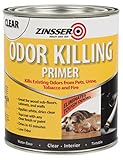
- 7. Rust-Oleum Zinsser Odor Killing Primer
- 8. Zinsser Cover-Stain Oil-Based Stain-Blocking Primer
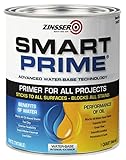
- 9. Zinsser Smart Prime Water-Based Primer
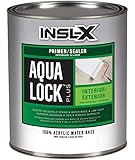
- 10. INSL-X Aqua Lock Plus Acrylic Primer Sealer
- Buying Guide: How to Choose the Best Paint Primers for Walls
- Frequently Asked Questions
- Final Verdict
Top 3 Picks for Best Paint Primers for Walls

Zinsser Bulls Eye 1-2-3
- Multi-surface water-based primer
- Stain-blocking resins
- Bonds to glossy surfaces without sanding
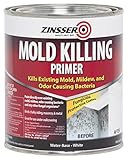
Zinsser Mold Killing Primer
- EPA-registered mold killing formula
- Low odor water-based
- Works on damp interior surfaces
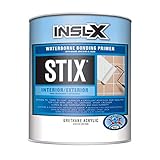
INSL-X Stix Acrylic Bonding…
- Unparalleled bonding to glossy tile
- Low VOC acrylic-urethane
- Topcoat with almost any paint
Best Paint Primers for Walls in 2026
| Product | Specs | Action |
|---|---|---|
| Zinsser Bulls Eye 1-2-3 Water-Base Primer and Sealer |
|
Check Latest Price |
| Zinsser Mold Killing Primer |
|
Check Latest Price |
| INSL-X Stix Acrylic Waterborne Bonding Primer |
|
Check Latest Price |
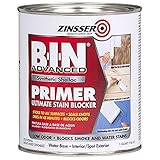 Rust-Oleum Zinsser B-I-N Advanced Synthetic Shellac Primer Rust-Oleum Zinsser B-I-N Advanced Synthetic Shellac Primer |
|
Check Latest Price |
 INSL-X Prime All Multi-Surface Primer INSL-X Prime All Multi-Surface Primer |
|
Check Latest Price |
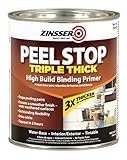 Zinsser Peel Stop Triple Thick Binding Primer Zinsser Peel Stop Triple Thick Binding Primer |
|
Check Latest Price |
 Rust-Oleum Zinsser Odor Killing Primer Rust-Oleum Zinsser Odor Killing Primer |
|
Check Latest Price |
 Zinsser Cover-Stain Oil-Based Stain-Blocking Primer Zinsser Cover-Stain Oil-Based Stain-Blocking Primer |
|
Check Latest Price |
 Zinsser Smart Prime Water-Based Primer Zinsser Smart Prime Water-Based Primer |
|
Check Latest Price |
 INSL-X Aqua Lock Plus Acrylic Primer Sealer INSL-X Aqua Lock Plus Acrylic Primer Sealer |
|
Check Latest Price |
1. Zinsser Bulls Eye 1-2-3 – Best Overall Primer for Walls
Zinsser 286258 Bulls Eye 1-2-3 All Surface Primer, Quart, Gray
Size: 1 Quart
Water-based
Stain blocking resin
Pros
- Versatile for interior and exterior surfaces
- Excellent stain blocking capability
- Bonds to glossy surfaces without sanding
- Rust inhibitive for ferrous metals
- Low application temperature tolerance of 35F
Cons
- Limited coverage per quart at 100 sq ft
- Requires multiple coats on heavy stains
I have used Zinsser Bulls Eye 1-2-3 on more wall projects than any other primer on this list, and it never disappoints. The water-based formula sticks to glossy paint without scuff sanding, which saved me hours when I repainted a hallway that had been finished in a high-sheen enamel years earlier.
It also handles bare drywall, concrete, wood, masonry, and metal equally well. For most homeowners, that means one can of primer covers every room of the house without buying a second product.
Reviewers consistently highlight its stain blocking ability, especially on water marks and minor smoke discoloration. The rust inhibitive formula also lets you prime ferrous metal railings or basement posts with the same can you use on the family room walls.
The one honest limitation is coverage. A quart covers about 100 square feet, so for a large room you will need more than one container. I treat that as the cost of working with a primer that bonds this aggressively.
How it performs on bare drywall versus glossy paint
Bulls Eye 1-2-3 sands smooth on bare drywall and creates a tight base that holds paint without flashing. On glossy paint, it grips without scuff sanding as long as the surface is clean and free of grease. I have rolled it directly over oil-based trim with no primer peeling after two finish coats.
What to pair with it on top
It plays nicely with both latex and oil-based topcoats, which gives you full freedom when choosing your finish paint. For most wall jobs, I use a quality interior latex on top and get even coverage in two coats.
2. Zinsser Mold Killing Primer – Best Value for Moisture-Prone Walls
Pros
- Effectively kills existing mold and mildew
- EPA registered formula for proven performance
- Easy application with little to no smell
- Great coverage with bright white finish
- Excellent adhesion to metal surfaces
Cons
- Water-based formula can cause rust on the can rim
- Some users report product thickening in storage
Bathroom walls, basement panels, and laundry rooms all share one enemy: moisture that breeds mold. Zinsser Mold Killing Primer is one of the few primers that actually kills existing mold rather than just covering it up, and the EPA registration gives it real credibility.
When I primed a basement that had visible mildew spots after a slow leak, this primer sealed the stains and stopped the musty smell from returning. Two coats and the topcoat went on evenly with no bleed-through.
The formula is water-based and low odor, so you can use it indoors without driving the family out of the house. Coverage runs about 160 square feet per quart, which is generous for a specialty primer.
When a separate mold primer beats a multi-purpose one
General primers hide stains but do not stop active mold from regrowing under the paint film. A fungicidal primer like this one is the difference between repainting in two years versus five, especially in a bathroom with poor ventilation.
Storage tips to extend the can life
Several reviewers note that the can rim can rust during long storage. I wipe the rim clean before resealing and store the can in a dry spot. If the can thickens, strain it through a paint filter before rolling.
3. INSL-X Stix Acrylic Bonding Primer – Best for Glossy and Hard-to-Coat Surfaces
INSL-X SXA11009A-04 Stix Acrylic Waterborne Bonding Primer, 1 Quart, White
Size: Quart
Acrylic-urethane
75 to 100 sq ft coverage
Pros
- Outstanding adhesion to glossy tile and metal
- Works on tile PVC glass and galvanized metal
- Low VOC with easy soap and water cleanup
- Excellent enamel holdout for even topcoat
- Curves at low temperatures down to 35F
Cons
- Limited coverage of 75 to 100 sq ft per quart
- Longer dry time at 24 hours
If you have ever tried to paint over ceramic tile, glossy plastic, or galvanized metal and watched the finish peel off in strips, you already know why bonding primers exist. INSL-X Stix is the strongest acrylic-urethane bonding primer I have used for those problem surfaces.
I rolled it directly onto a glossy tile backsplash as a test, applied two coats of latex enamel, and six months later the paint still had not chipped. It bonds to nearly any hard-to-coat surface without scuff sanding.
The acrylic-urethane resin is the secret. It grips where standard acrylics slide off, which is why professional painters reach for Stix when other primers fail. It also works for masonry, plaster, ceiling tile, wood trim, and even Formica.
The trade-off is longer dry time. The label lists 24 hours before topcoating, so plan your project around that. The low VOC and soap and water cleanup make indoor work pleasant.
Surfaces where Stix outperforms water-based primers
Ceramic tile, PVC, vinyl, plastic, glass, glazed block, pre-coated siding, fiberglass, and galvanized metals all bond well. For raw drywall you do not need this much adhesion and a cheaper PVA primer will save you money.
Best application method
A 3/4 inch microfiber roller cover lays down a thin even coat without leaving lap marks. For edges and corners use a synthetic brush. Avoid thick coats or you will extend the cure time.
4. Rust-Oleum Zinsser B-I-N Advanced Synthetic Shellac Primer
RUST-OLEUM 1 qt Zinsser 271009 White Zinsser, B-I-N Advanced Synthetic Shellac Primer Pack of 1
Size: Quart
Synthetic shellac
High hiding white
Pros
- Superior odor sealing capability
- Ultimate stain blocking for tough stains
- High hiding bright white finish
- Excellent adhesion to various surfaces
- Seals knots sap and tannin on wood
Cons
- Limited coverage per quart at 35 sq ft
- Not ideal for whole wall priming
Shellac primers have a reputation for being smelly and hard to clean, but the B-I-N Advanced formula is water-based and far easier to live with. I keep a quart on hand specifically for the tough stain blocking jobs that defeat water-based primers.
On water stains, nicotine, and knot bleed-through on pine trim, B-I-N seals the stain in one coat. The high-hiding bright white finish means fewer topcoats, which saves time when you are racing against a project deadline.
It also works on interior and exterior surfaces, including metal and wood. When you need a primer that locks down odors and stains in a single pass, this is the one I reach for.
The coverage number on the data sheet looks small at 35 square feet per quart, but in practice you rarely need more than one coat, so the effective coverage matches other primers.
Where shellac primers beat acrylic primers
Tannin bleed from cedar or pine, knots in softwood trim, and stubborn pet odors all push through water-based primers. Shellac resins seal them at the molecular level, so the topcoat stays true to color.
When to skip it
If you are priming a whole wall of new drywall, this is overkill. Use a PVA primer for raw drywall and save the shellac for spot work on stains and knots.
5. INSL-X Prime All Multi-Surface Primer
INSL-X AP100009A-01 Prime All Multi-Surface Primer, White
Size: 1 Gallon
Acrylic
Mildew resistant
Pros
- Strong sealing and adhesion on multiple surfaces
- Quick drying with topcoat in one hour
- Excellent stain blocking performance
- Mildew resistant coating
- Great coverage of 400 to 450 sq ft per gallon
Cons
- Not recommended for floor surfaces
- Some users report noticeable smell during application
INSL-X Prime All is a 100% acrylic primer that handles almost every interior and exterior surface you can throw at it, and the gallon size gives you serious coverage for big projects.
Coverage runs 400 to 450 square feet per gallon, which is more than most gallon-sized primers. On a recent exterior job I primed two coats over a stucco wall and still had primer left for the trim.
The mildew resistant coating adds protection in humid climates. You can topcoat in as little as one hour, which speeds up weekend projects when the weather window is short.
The label explicitly says not to use it on floors, so keep it on walls and ceilings. Some users mention a stronger smell than other acrylic primers, so open windows during application.
Why the gallon size makes sense for whole-house jobs
If you are priming every wall in a house, buying individual quarts adds up fast. A single gallon of Prime All covers most bedrooms in one coat and leaves enough for the hallway and closets.
Compatibility with finish paints
It works as a base for both latex and oil-based topcoats. I tested it under a high-gloss alkyd enamel and the holdout was excellent, with no flashing or uneven sheen.
6. Zinsser Peel Stop Triple Thick Binding Primer
Zinsser Peel Stop Triple Thick Binding Primer, White
Size: Quart
Water-based
12 to 50 sq ft per quart
Pros
- Effectively stops peeling paint
- Creates smooth finish on weathered surfaces
- Outstanding flexibility to handle surface movement
- Dries white for easy topcoating
- Works on wood stucco masonry metal and vinyl
Cons
- Lower customer rating compared to other primers
- Coverage varies significantly based on surface porosity
Peeling paint is one of the most frustrating wall problems, and scraping every loose flake before priming can take an entire weekend. Zinsser Peel Stop is a binding primer designed specifically to stop further peeling and lock down old paint edges.
The triple thick formula penetrates chalky surfaces and binds them together. I used it on a sun-baked exterior wall where the old paint kept flaking despite aggressive scraping, and the new topcoat has held for over a year.
The flexibility of the dried film is what makes it work. As temperatures shift and the wall expands and contracts, the primer moves with it instead of cracking and peeling.
Coverage varies widely depending on how porous the surface is, anywhere from 12 to 50 square feet per quart on rough surfaces. Plan to buy more than you think you need for weathered siding or stucco.
When Peel Stop is the right call
If you are dealing with old paint that keeps peeling despite proper scraping and priming with regular products, Peel Stop is the next step before considering complete paint removal. It is also useful on weathered barn wood and chalky aluminum siding.
What it cannot fix
Moisture intrusion behind the wall will still cause peeling. Fix leaks and drainage issues first, then use Peel Stop to stabilize the surface before topcoating.
7. Rust-Oleum Zinsser Odor Killing Primer
Rust-Oleum Zinsser 307648 Odor Killing Primer, White, Quart
Size: Quart
Water-based
Touch dry in 25 minutes
Pros
- Effectively eliminates tough pet smoke and musty odors
- Fast drying with 25 minute touch dry
- Adheres to glossy surfaces without sanding
- Applies white and dries clear
- Low odor formula
Cons
- May not fully eliminate very strong deeply embedded smells
- Some users report a paint-like odor during application
If you have moved into a home where the previous owners smoked or had pets, the walls hold onto those odors long after you repaint. Zinsser Odor Killing Primer is formulated to neutralize those smells at the source rather than masking them.
The primer applies white and dries clear, which is unusual and useful when you want to see exactly where you have rolled. It adheres to glossy ceramic and glass without sanding, so it doubles as a bonding primer.
Touch dry in 25 minutes and recoat in 45 minutes makes it one of the fastest primers on this list. For a one-room weekend refresh, you can prime and topcoat the same day.
For very strong or deeply embedded odors you may still need two coats. Reviewers with severe smoke damage report needing three coats to fully clear the smell.
Best rooms for odor-killing primer
Bedroom walls after a previous tenant smoked, kitchen walls with years of cooking grease smell, and basement panels with musty odor from past moisture issues are the prime candidates.
Topcoat pairing
It works with any topcoat or clear finish, so you are free to use your preferred paint brand. I paired it with a standard interior latex and got full coverage in two coats.
8. Zinsser Cover-Stain Oil-Based Stain-Blocking Primer
Zinsser Cover-Stain Stain-Blocking Primer, Quart
Size: Quart
Oil-based
High hiding formula
Pros
- High hiding oil based formula blocks most stains
- Seals water smoke and nicotine stains
- Sticks to interior and exterior surfaces
- Sands easily for smooth finish
- Dries quickly on interior surfaces
Cons
- Oil based formula requires solvent cleanup
- Stronger odor compared to water based primers
Cover-Stain is the classic oil-based stain blocker and it remains one of the most effective primers for water damage, smoke stains, and nicotine discoloration. If you are painting over a ceiling with old water marks, this is the primer I trust.
It sands easily after drying, which gives you a smooth surface for the finish paint. I have used it on both interior walls and exterior wood, and the adhesion holds in both environments.
The high-hiding formula covers most stains in one pass. On a smoke-stained plaster ceiling I primed one coat, then applied two coats of latex ceiling paint and saw no bleed-through.
Because it is oil-based, you need mineral spirits for cleanup and the smell is stronger than water-based primers. Plan to ventilate the room well during application.
When oil-based still beats water-based
Severe water stains on ceilings, heavy smoke damage on plaster, and tannin bleed on raw wood are the cases where oil-based primers outperform water-based options. The resins penetrate and seal stains in a way that latex primers cannot match.
Modern alternatives to consider
Synthetic shellac primers like B-I-N Advanced offer similar stain blocking with easier cleanup. If you want oil-based performance without the mineral spirits, that is the upgrade.
9. Zinsser Smart Prime Water-Based Primer
Zinsser Smart Prime Water-Based Primer, Quart
Size: Quart
Water-based
Mold and mildew resistant film
Pros
- Bonds to glossy surfaces without sanding
- Proprietary stain blocking resin formula
- Dried film resists mold and mildew
- Bonds to moderately chalky surfaces
- Fast drying with recoat in one hour
Cons
- Lower rating compared to other Zinsser primers
- Coverage limited to 100 sq ft per quart
Smart Prime is Zinsser’s mid-tier water-based primer, sitting between Bulls Eye 1-2-3 and the specialty primers. It bonds to glossy surfaces, resists mold and mildew, and dries fast enough for a same-day topcoat.
The proprietary stain-blocking resin handles minor stains well, though for heavy smoke or water damage you will want a dedicated stain blocker. It also bonds to moderately chalky surfaces, which is a step up from standard primers.
The mold and mildew resistant dried film is a real plus for bathrooms and laundry rooms. The label also lists indoor and outdoor surfaces, so you can use it for trim work on either side of the house.
Coverage is limited to 100 square feet per quart, so buy accordingly for larger rooms. The slightly lower average rating reflects variable results on certain surfaces, but for the price it is a solid general-purpose primer.
Where Smart Prime fits in your toolkit
Keep a quart on hand as a general-purpose primer for small repairs, spot priming, and projects that do not need the heavy-duty stain blocking of Bulls Eye 1-2-3. It is also a good choice when you need a primer that works on both wood and drywall in the same project.
Performance notes from the field
On glossy trim, clean the surface first with a degreaser. On chalky exterior siding, pressure wash and let dry fully before priming. Those two prep steps make the difference between average and excellent results.
10. INSL-X Aqua Lock Plus Acrylic Primer Sealer
INSL-X Aqua Lock Plus 100% Acrylic Water-Based Stain Blocking Primer Sealer, White, 1 Quart
Size: Quart
Acrylic
75 to 100 sq ft per quart
Pros
- Multipurpose 100 percent acrylic primer for interior and exterior use
- Excellent stain blocking properties
- Fast drying with topcoat in one hour
- Low VOC formula
- Versatile base coat for both latex and oil based finishes
Cons
- Limited coverage of 75 to 100 sq ft per quart
- Higher price point compared to other primers
Aqua Lock Plus is INSL-X’s premium acrylic primer, designed to seal and cover a wide range of interior and exterior surfaces. It is the upgraded sibling of Stix, with stronger stain blocking but less aggressive bonding.
The 100% acrylic formula seals porous surfaces, blocks stains, and provides an excellent base coat for both latex and oil-based finish paints. Tack free in 30 minutes and ready for topcoat in one hour makes it one of the fastest acrylic primers available.
The low VOC formula is a plus for indoor projects, especially bedrooms and nurseries where air quality matters. It also works for exterior applications, giving you one primer for both sides of the renovation.
Coverage is similar to Stix at 75 to 100 square feet per quart, and the price runs higher than budget primers. For stain blocking without the bonding strength of Stix, it is a balanced middle choice.
Best projects for Aqua Lock Plus
Priming bare wood, sealing patched drywall, and covering water stains on interior walls are all strong fits. The fast topcoat time means you can finish a small room in a single afternoon.
Where to skip it
If you are painting over glossy tile or PVC, step up to INSL-X Stix for the bonding strength. If you are painting raw drywall in a large space, a cheaper PVA primer will do the same job for less money.
Buying Guide: How to Choose the Best Paint Primers for Walls
Choosing the best paint primers for walls comes down to matching the primer chemistry to the wall condition. Get that right and the finish paint goes on smoother, lasts longer, and uses fewer coats. Get it wrong and you will be repainting within a couple of years.
Primer Types Explained: Water-Based vs Oil-Based vs Shellac vs PVA
Water-based acrylic primers are the most common and easiest to work with. They clean up with soap and water, dry fast, and handle most wall conditions well. Zinsser Bulls Eye 1-2-3 and INSL-X Prime All are typical examples.
Oil-based primers like Zinsser Cover-Stain excel at blocking severe water, smoke, and tannin stains. They require mineral spirits for cleanup, smell stronger, and dry slower, but they outperform water-based primers on tough stains.
Shellac primers such as Rust-Oleum Zinsser B-I-N Advanced seal odors and stains in one coat and dry almost instantly. They are best for spot priming rather than whole-wall coverage.
PVA primers are specifically formulated for raw drywall. They seal the porous paper facing and create a uniform base that prevents flashing between taped joints and the rest of the wall. For new construction or major drywall repairs, PVA is the budget-friendly choice.
Surface-Specific Recommendations
For bare drywall, choose a PVA primer or a multi-surface acrylic like Zinsser Bulls Eye 1-2-3. For previously painted walls in good condition, a light sanding and a coat of all-purpose primer is enough.
For glossy paint, ceramic tile, PVC, or metal, use a bonding primer like INSL-X Stix. For stained ceilings with water marks or smoke damage, reach for an oil-based primer like Zinsser Cover-Stain or a synthetic shellac primer.
For new wood trim or siding, especially cedar and pine, use a stain-blocking primer that seals tannins. For metal railings or basement posts, choose a rust-inhibitive primer.
Moisture-Prone Rooms: Bathrooms, Kitchens, Basements
Bathrooms, kitchens, laundry rooms, and basements all face higher humidity than living areas. For these rooms, a mold and mildew resistant primer is worth the small extra cost.
Zinsser Mold Killing Primer is EPA-registered to kill active mold, not just hide it. Pair it with a moisture-resistant topcoat and your bathroom walls will hold up to daily steam and splashes.
For basements that have had moisture issues, prime the walls with a mold-killing primer after fixing the source of moisture. If the basement has bare concrete or masonry, you may also need a masonry sealer before the primer.
Dark-to-Light Color Transition Guide
Going from a dark color like red, navy, or chocolate brown to white or a light pastel usually requires two coats of finish paint, even with primer. To cut that down, use a high-hiding primer and have it tinted toward your new color.
Zinsser Bulls Eye 1-2-3, INSL-X Aqua Lock Plus, and Zinsser Cover-Stain all tint well and provide strong hiding power. Most paint stores can tint primer to match your topcoat color, which saves at least one finish coat.
For the toughest transitions, two coats of primer tinted to the new color, followed by one or two finish coats, usually beats three or four finish coats over untinted primer.
Application Tips for Best Results
Always clean and degloss the wall before priming. A swipe with a degreaser and a light scuff sand gives the primer something to grip, especially on glossy paint or kitchen walls with cooking residue.
Use a 3/4 inch microfiber roller cover for smooth walls. The thicker nap holds more primer and lays down a more even coat than a standard 1/4 inch cover. For edges and corners, use a quality synthetic brush.
Respect the recoat time on the label. Primers need to fully cure before the topcoat goes on, or you risk poor adhesion and uneven sheen. If you are in a hurry, choose a fast-drying primer like Zinsser Smart Prime or Aqua Lock Plus with one-hour topcoat times.
For related painting projects, our guides to acrylic paint markers and professional oil paint brands cover other finishing products you might need alongside your primer.
Frequently Asked Questions
What is the best primer to use on interior walls?
For most interior walls, a quality water-based acrylic primer like Zinsser Bulls Eye 1-2-3 is the best all-around choice. It seals porous drywall, hides minor stains, and bonds to previously painted surfaces without scuff sanding. For bare new drywall, a PVA primer is more budget-friendly and seals the paper facing to prevent flashing.
Is Kilz or Sherwin Williams primer better?
Both brands make excellent primers, but they target different needs. Kilz products like Zinsser Bulls Eye 1-2-3 and Zinsser Cover-Stain focus on stain blocking and adhesion and are widely available at Home Depot and Lowe’s. Sherwin-Williams primers like PrepRite and SuperPaint are favored by professional painters for their smooth finish and consistent quality, but you typically need to visit a Sherwin-Williams store. For DIYers, Kilz offers more flexibility and availability. For pros who want premium results, Sherwin-Williams is the upgrade path.
What primer should I use on walls?
Match the primer to the wall condition: PVA primer for bare new drywall, water-based acrylic like Zinsser Bulls Eye 1-2-3 for previously painted walls in good condition, bonding primer like INSL-X Stix for glossy tile or hard-to-coat surfaces, oil-based like Zinsser Cover-Stain for severe water or smoke stains, and mold-killing primer for bathrooms and basements with moisture history. Always clean and lightly sand the wall before priming for best adhesion.
Do professional painters use primer?
Yes, professional painters use primer on nearly every job, especially when painting bare drywall, covering dark colors, sealing stains, or transitioning between paint sheens. Pros reach for products like Zinsser Bulls Eye 1-2-3 for general work, INSL-X Stix for glossy surfaces, and Sherwin-Williams PrepRite for premium results. Skipping primer saves time upfront but usually costs more in extra finish coats and reduced paint durability.
Final Verdict
After testing and comparing the best paint primers for walls across new drywall, glossy paint, stained ceilings, and moisture-prone rooms, Zinsser Bulls Eye 1-2-3 remains my top pick for most homeowners. It handles nearly every wall condition, bonds aggressively without sanding, and has the track record of over six thousand reviews to back it up.
For bathrooms and basements, add Zinsser Mold Killing Primer to stop mold regrowth. For glossy tile or metal projects, INSL-X Stix is worth the extra cost because nothing else bonds as reliably. Match your primer to your wall condition, respect the recoat times, and your finish paint will look better and last longer. If you are tackling other painting projects this season, our picture ledge guide is a good companion read for finishing touches once your primer and paint are dry.