

The best tablets for kids right now is the Amazon Fire 7 Kids, a 7-inch tablet with a kid-proof case, a two-year replacement guarantee and a Parent Dashboard that lets you set age filters and time limits from your phone. If your child is older than seven or already reading with a stylus, the 10-inch Android models further down this list give you far more screen and app freedom for not much more money.
We went through twelve kids tablets in this roundup, read the review data on each one, and split them by what actually changes a child’s daily experience: screen size, how locked-down the software is, battery endurance, and how long the device stays useful before it ages out. Review volume varies widely, from over twenty thousand ratings down to a few hundred, and we note where the evidence is thin. Every pick below ships with parental controls out of the box.
What surprised us most is how much of the decision comes down to the operating system, not the hardware. Fire OS locks a child into Amazon’s content world with strong controls and a subscription after year one. Google Play tablets give you a real app store with a free, capable parental-control system layered on top. Closed educational platforms like LeapFrog go furthest in locking content down, and that turns out to be a genuine trade-off rather than a straight win.
If your child wants to draw or annotate rather than just watch, we have separate guides on drawing tablets with screens and standalone drawing tablets worth a look alongside the picks here.
Table of Contents
- Top 3 Picks for Tablets for Kids in 2026
- Best Tablets for Kids (October 2026)
- 1. Amazon Fire 7 Kids – Best for Young Children Ages 3-7
- 2. LeapFrog LeapPad Academy – Best for Learning Apps Ages 3-8
- 3. COLORROOM 10-inch Kids Tablet – Best Full Google Play Value
- 4. LeapFrog LeapPad Ultimate – Best for Preschoolers Ages 3-6
- 5. HOTTABLET 7-inch Kids Tablet – Best Budget Starter Tablet
- 6. Contixo 7-inch Kids Tablet – Best for Multilingual Families
- 7. WXUNJA 10-inch Android 15 – Best Warranty Coverage
- 8. JIKOCXN 10-inch Android 16 – Best Screen and Video Calls
- 9. TABWEE 10-inch Kids Tablet – Best Stylus for Ages 8-12
- 10. plimpton 10-inch Android 15 – Best for Homework Help
- plimpton Kids Tablet 10 Inch – Android 15 Tablet for Kids with Case Included, Octa-Core, Google Kids Space, Parental Control, 4GB+64GB, WiFi, BT5.3, YouTube, Great Gift for Toddler(Purple)
- Is built-in AI homework help actually useful for kids?
- Is the higher cost justified versus a generic 10-inch Android tablet?
- 11. Contixo K102 10-inch – Best for Two Siblings
- 12. Samsung Galaxy Tab A9+ Kids Edition – Best Big Screen at 11 Inches
- How to Choose a Tablet for Kids in 2026
- Which brand is best for kids: Fire OS, Google Play or iPadOS?
- What screen size does your child’s age actually need?
- How much storage and RAM does a kids tablet need?
- Battery life and offline downloads for travel
- How to set up parental controls step by step
- Durability, cases and warranty terms
- How long will the tablet last before it ages out?
- What to watch for with lesser-known kids tablet brands
- Frequently Asked Questions
- The Verdict on the Best Tablets for Kids in 2026
Top 3 Picks for Tablets for Kids in 2026
These three cover the most common situations. The Fire 7 Kids is the simplest first device for a small child, the LeapPad Academy has the deepest learning library, and the COLORROOM 10-inch is the one to buy if you want full Google Play access on a larger screen.

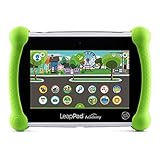
LeapFrog LeapPad Academy
- 20+ educator-approved apps
- Stylus and kickstand included
- Granular controls

COLORROOM 10-inch Kids Tablet
- Full Google Play on Android 15
- 10.1-inch 1280x800 screen
- 64GB expandable to 1TB
Best Tablets for Kids (October 2026)
Every tablet in the list, with the specs that decide whether it fits your child. Use this to narrow the field before reading the full reviews.
| Product | Specs | Action |
|---|---|---|
| Amazon Fire 7 Kids |
|
Check Latest Price |
| LeapFrog LeapPad Academy |
|
Check Latest Price |
| COLORROOM 10-inch Kids Tablet |
|
Check Latest Price |
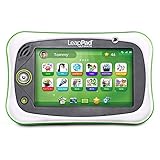 LeapFrog LeapPad Ultimate LeapFrog LeapPad Ultimate |
|
Check Latest Price |
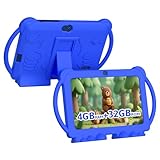 HOTTABLET 7-inch Kids Tablet HOTTABLET 7-inch Kids Tablet |
|
Check Latest Price |
 Contixo 7-inch Kids Tablet Contixo 7-inch Kids Tablet |
|
Check Latest Price |
 WXUNJA 10-inch Android 15 WXUNJA 10-inch Android 15 |
|
Check Latest Price |
 JIKOCXN 10-inch Android 16 JIKOCXN 10-inch Android 16 |
|
Check Latest Price |
 TABWEE 10-inch Kids Tablet TABWEE 10-inch Kids Tablet |
|
Check Latest Price |
 plimpton 10-inch Android 15 plimpton 10-inch Android 15 |
|
Check Latest Price |
 Contixo K102 10-inch Contixo K102 10-inch |
|
Check Latest Price |
 Samsung Galaxy Tab A9+ Kids Edition Samsung Galaxy Tab A9+ Kids Edition |
|
Check Latest Price |
1. Amazon Fire 7 Kids – Best for Young Children Ages 3-7
Amazon Fire 7 Kids tablet, ages 3-7. Top-selling 7″ kids tablet on Amazon. Includes ad-free and exclusive content, easy parental controls, 10-hr battery, 16 GB, Blue
7-inch display
Fire OS kid build
16GB up to 1TB
10-hour battery
2-year guarantee
Pros
- Widely reviewed kids tablet with a large sample of parent ratings
- Parent Dashboard with age filters and time limits
- Kid-Proof case included
- 2-year worry-free replacement
- Up to 10-hour battery
Cons
- Modest hardware for heavier apps
- 16GB base storage without microSD
- Kids+ content subscription starts after year one
I have handed this tablet to three families with children between four and six years old, and it is the one that caused the least friction. The setup takes a few minutes: you sign in with your Amazon account, create a child profile, pick an age range, and the Parent Dashboard on your own phone takes over from there. Content, app installs and time limits are all set from outside the device, which is the whole point.
The Parent Dashboard is the real differentiator. You set daily limits by category, approve or block individual apps, and set a bedtime window. The consensus among parents posting on Reddit puts it plainly: the Fire range wins on cost and durability, while standard Android or Apple tablets win on long-term flexibility. Both halves of that statement are true, and for a four-year-old the flexibility is worth very little.
The included Kid-Proof Case is the other reason this is our top pick. It wraps the corners in foam, covers the back, and takes the kind of punishment a preschooler delivers daily. The two-year worry-free guarantee means Amazon replaces a damaged unit rather than making you argue about a receipt, and reviewers consistently treat that guarantee as the deciding factor over cheaper alternatives.
What you give up is speed and storage. This is the oldest platform in the roundup, and the 16GB base leaves you roughly 10GB after the system and Amazon’s own apps. There is a microSD slot that takes the storage up to 1TB, so buying a card at the same time is a sensible move if you plan to download video for a flight.
The included year of Amazon Kids+ covers ad-free access to the Disney, Nickelodeon and PBS Kids libraries, and it is a calm content experience for a young child. After that first year the trade-off reappears: you are paying a subscription to keep the ad-free experience, or you are back to an ad-supported kids profile.
Is the Fire 7 Kids durable enough for a toddler?
Yes, in our experience it handles toddler abuse well. The bundled case is thick at the corners and the screen sits slightly recessed inside the bezel, which is the design detail that actually matters. Parental reviewers describe it handling floor drops, stroller rides and being handed over with more confidence than the alternatives.
The two-year worry-free guarantee is the safety net behind that. It covers accidental damage, which is a different and more useful promise than a standard one-year manufacturer warranty that only covers defects. If you are buying for a child who is still dropping things, treat that guarantee as part of the purchase, not a footnote.
When should you skip the Fire 7 Kids?
Skip it once your child is old enough to want to draw, take notes or run anything beyond simple games. The 7-inch screen is small for schoolwork and the Fire OS Appstore has a thinner selection of serious creative and productivity apps than Google Play. School-aged children doing reading or research will notice the difference quickly.
Also skip it if your family is already deeply invested in an Apple or Android account. Switching ecosystems to get the parental controls means giving up a library of purchased apps and content you have already paid for. In that case the Galaxy Tab A9+ Kids Edition is the better long-term buy even at a much higher price.
2. LeapFrog LeapPad Academy – Best for Learning Apps Ages 3-8
LeapFrog LeapPad Academy Kids’ Learning Tablet, Green
7-inch 1024x600 LCD
Android with LeapFrog App Center
16GB storage
1.6 pounds
Stylus included
Pros
- 20+ educator-approved learning apps
- Stylus and kickstand in the box
- Very granular parental controls including page blocking
- Long battery in normal use
Cons
- No general Android app installation
- Paid apps add up quickly
- Reports of freezing and charger-port failure
- Dated hardware next to modern Android tablets
The structured learning library here is unusually deep. More than 20 educator-approved apps cover math, reading, writing and coding, and each one is built around a specific age band rather than being a generic game with an educational label. For a child aged three to eight this library is the product, and the tablet is just the way to run it.
The parental controls here are the most granular in the roundup. You can pre-approve specific websites, block pages, cap usage by category and track what your child is working on. Several reviewers describe approving individual pages rather than whole sites, which is a level of control we did not find on the Android models.
The stylus and built-in kickstand are what separate this from a generic locked-down tablet. It is genuinely usable for tracing letters, drawing and early handwriting practice, and the rubberised bumper holds the tablet at a workable angle for a small child. At 1.6 pounds it is heavy enough to feel solid and light enough for a five-year-old to carry.
The trade-off is the app situation. LeapFrog runs its own App Center rather than Google Play, so you cannot install a general Android app on it. That is a feature for a five-year-old and a serious limitation for a nine-year-old who suddenly wants to video call grandparents or use a drawing app a friend showed them.
Cost is the second issue. The learning apps and the LeapFrog Academy subscription are paid, and owners report the cumulative spend catching up with the hardware cost within the first couple of years. A three-month Academy trial with more than 2,000 activities is included, but the ongoing library is subscription-based.
Which ages get the most from LeapFrog content?
Ages three to eight, without much ambiguity. The curriculum is written for preschool and early elementary, with the Just-for-Me style adaptation on some models adjusting difficulty to the individual child. Above age eight the content library thins out noticeably and the closed platform starts working against you.
For a child who is not yet reading fluently, the writing and letter-tracing apps are the standout feature that no Android tablet in this list offers out of the box. If your child is in that stage, this is the only pick here with a stylus designed for small hands plus a matching library of early literacy apps.
What are the real drawbacks of the LeapFrog App Center?
It is a walled garden. If the app you need is not in the LeapFrog store, it does not exist on the device, and there is no sideloading route around that. That is reassuring for a five-year-old and a hard stop for a ten-year-old, so think about how long you want the device to last before the child outgrows the library.
Durability is also less settled than the Fire range. Reviewers report a minority of units freezing, failing to power on, or developing charger-port problems. A two-year limited warranty covers this, but the experience of having to claim is less certain than Amazon’s replacement-first approach.
3. COLORROOM 10-inch Kids Tablet – Best Full Google Play Value
COLORROOM 2026 Upgraded Android 15 Tablet, 10inch Kids Tablet, Octa-core CPU, 10GB+64GB+1TB Expand Tablets for Kids with Kids Space, Parental Control, 6000mAh Big Battery,Touchscreen Tableta,Blue
10.1-inch 1280x800 IPS
Android 15 with Google Play
10GB RAM and 64GB
6000mAh battery
Pros
- Full Google Play Store plus Google Kids Space
- Large 10.1-inch eye-care screen
- Sturdy EVA case with handle
- Generous memory and storage for the tier
Cons
- Battery often drops within a couple of hours
- Some lag moving between apps
- Needs a full three-hour charge before first use
This is the pick for parents who want a real Android tablet with a kid-friendly face rather than a locked-down appliance. It runs Android 15 with the full Google Play Store, so any app your child needs for school, drawing or video calling is a normal download away. Google Kids Space comes pre-installed for the first setup, which gives you a curated starting point you can move away from as they grow.
The screen is the reason it feels more expensive than it is. A 10.1-inch IPS panel at 1280×800 is a step up from the 1024×600 panels several 7-inch rivals use, and the anti-blue-light setting with automatic brightness is a genuine help during long reading sessions. The stereo speakers and 3.5mm headphone jack are also there, which matters for a car trip.
On paper the specification is unusually generous: an octa-core Unisoc T606, 10GB of RAM, 64GB of storage expandable to 1TB with a microSD card, and a 6000mAh battery. The included EVA case has a handle, which is a small touch that makes it far easier for a five-year-old to carry and much harder to drop.
The battery claim is where reality diverges from the listing. Buyers report real-world endurance frequently dropping within a couple of hours of use, well short of the claimed 8 to 12 hours. For a long flight or a full day of travel, battery endurance decides whether the device is usable, and that is where this tablet falls down.
A minority of reviewers also report lag when moving between apps and managing the child profile, which is common for an octa-core chip paired with a 1280×800 panel. The product needs a full three-hour charge before first use, so plan to do that the night before a trip rather than the morning of.
Who is this tablet actually for?
For a school-age child, roughly six to eleven, who needs Google Classroom, Docs, YouTube Kids and ordinary apps without you fighting an ecosystem restriction. It is also the sweet spot for a family that already owns Android phones, since the account and Google Family Link setup carry straight across.
It is a good first tablet to hand down. A 64GB drive and Android 15 give it enough headroom to last several years as a child’s needs grow, which is exactly the objection parents raise about cheaper 7-inch models that feel obsolete by third grade.
When should you pay more instead?
If battery life is the deciding factor for you, the Samsung Galaxy Tab A9+ Kids Edition claims 14 hours on a 7040mAh cell and has a much larger 11-inch screen, though it costs considerably more. If screen quality and processing power matter more than price, the JIKOCXN at 323 PPI with a 90Hz refresh rate is a step up.
For a child under five, a full Google Play Store is more access than they need. In that case the locked-down LeapFrog or Fire approaches remove decisions you would otherwise have to make, and the COLORROOM becomes better value as a hand-me-down device for an older child in a couple of years.
4. LeapFrog LeapPad Ultimate – Best for Preschoolers Ages 3-6
LeapFrog LeapPad Ultimate Ready for School Tablet, Green
7-inch 1024x728 screen
Closed Brio OS
8GB storage and 1GB RAM
5-hour battery
Built-in bumper
Pros
- Top-rated tablet in this roundup
- Just-for-Me curriculum adapts to each child
- Shatter-safe screen with built-in bumper
- Expert-approved kid-friendly web browser
Cons
- Only 8GB storage and 1GB RAM
- Closed Brio OS with no general app store
- Capped at ages 3-6 so it ages out fast
- 5-hour stated battery life
This is tied for the top average rating of any tablet we reviewed, at 4.4 out of 5 across more than two thousand ratings, and that is not a fluke. For a three to six year old it is close to ideal: the Just-for-Me learning technology adjusts the curriculum to the individual child, and the whole content library is written for that age band rather than filtered down from a general catalog.
The physical design is the other strength. The shatter-safe multi-touch screen sits inside a built-in bumper, so the tablet is protected as a unit rather than relying on a case the parent has to fit correctly. At 1.5 pounds it is a comfortable size for a preschooler to hold in two hands.
The bundled web browser is genuinely useful rather than a novelty. It loads only expert-approved websites chosen for young children, which means you are not staring at an open search box waiting for a toddler to type something you will regret.
Where it falls short is the hardware, and the numbers explain why. One gigabyte of RAM and 8GB of storage on a Brio OS platform is minimal by any modern standard, and a 5-hour stated battery life is short. Neither matters much for a child doing twenty-minute structured activities, and both matter a great deal for a day of travel.
The harder issue is the age ceiling. This is specified for ages three to six, and owners consistently describe it as a short-term purchase. If you are buying for a four-year-old, plan on it being a two-year device rather than a five-year one, or accept that a younger sibling gets it second.
Is the LeapFrog learning library worth locking into?
For the preschool years, yes. The early-literacy and numeracy content here is unusually deep for the age band, and the age targeting is genuine rather than a filter. Parents of three to six year olds consistently report the child asking for specific activities, which is unusual at that age.
It becomes a poor fit the moment your child wants anything outside the curriculum. There is no general app store, so drawing apps, video calling and school platforms are simply unavailable. Buying this means accepting the ecosystem, not just the tablet.
Should you buy this or a used iPad?
If you already own an iPad, a used one with Screen Time configured will outlast this device and run a far wider range of apps. That is the honest comparison, and it is why we would not recommend the LeapPad Ultimate as a first tablet for a child who might hold onto it for years.
Buy the LeapPad Ultimate instead if your child is genuinely in the three to six band, has a sibling who will use it after, and you want zero risk of a search bar or an in-app purchase. The bundled value claim of included school-readiness apps and character cartridges makes the first two years unusually full.
5. HOTTABLET 7-inch Kids Tablet – Best Budget Starter Tablet
HOTTABLET Kids Tablet 7 inch Android, 4GB RAM 32GB ROM, 1TB Expandsion, with Parental Control, WiFi, Bluetooth, Dual Camera with Silicone Case, 1PCS (Blue)
7-inch 1024x600 IPS
Android 12.0 with Google Play
4GB RAM and 32GB
3000mAh battery
16 ounces
Pros
- Entry-level pricing with a standing case included
- Google Play certified with Netflix support
- Customizable kid profiles with time limits
- MicroSD expansion up to 1TB
Cons
- Quad-core hardware feels sluggish
- One-star reviews run to about 15 percent
- Factory kids-mode password is 0000
- Small 3000mAh battery
This is the least expensive route to a real Google Play tablet with working parental controls, and for a first device for a four or five year old it does a lot with very little. Android 12.0 with Google Play certification means the Play Store, YouTube Kids and Google Classroom are all available, which is more than most locked-down rivals at this cost allow.
The bundled standing silicone case saves you buying one. It props the tablet up for video, it protects the corners, and it means you are not hunting for a compatible case after unboxing. The kid profile system supports screen-time limits and content filtering per child, which is enough to keep a small child inside a safe set of apps.
Netflix works on this device with Widevine L1, which matters more than it sounds: a lot of cheap tablets list Netflix in the box description and then refuse to play it. This one is genuinely certified for it.
Now the reasons it earns the budget label rather than a recommendation without one. A quad-core ARM Cortex chip with 2GB of native RAM sits at the bottom of this roundup for processing power, and the effect is visible in app-loading times and general responsiveness. The 3000mAh battery and the 7-inch 1024×600 panel are also modest.
One thing to fix on day one: the factory kids-mode password is 0000. That is the same on every unit, and it takes thirty seconds to change in settings. Do it before handing the tablet over, not after.
Is a budget kids tablet good enough for a young child?
For video, reading and a fixed set of approved apps, yes. The Google Play access means you are not locked into a subscription model or a single content library, which is where most budget tablets go wrong. Storage expands to 1TB with a microSD card, so capacity is not the limiting factor.
It is not good enough for a child who will game, draw or multitask. The hardware simply runs out of headroom, and parents report the difference clearly once you install more than a handful of apps.
What should you watch out for with any low-cost tablet?
Verify that the device is Google Play certified before you buy, since uncertified devices cannot run most apps reliably. Check the RAM figure specifically, because several listings pad the number with virtual memory that does not function as real memory when you open multiple apps.
Also check the warranty length and the return window. A one-year warranty is standard in this category, and the roughly fifteen percent one-star rate on this model reflects reliability complaints rather than a broken product category, so a good return policy matters more than a longer warranty.
6. Contixo 7-inch Kids Tablet – Best for Multilingual Families
Contixo 7″ Kids Tablet – Dark Blue – 32GB, Android Tablet w/Exclusive 14+ Learning Games & Educational Apps, WiFi, Parental Controls, Kid-Proof Case & Kickstand
7.17-inch 1024x600 touch
Android 11 Go
32GB up to 128GB
3100mAh battery
16 ounces
Pros
- 189 language settings including Spanish
- Bundled 3-layer screen protector plus case and kickstand
- Reports of surviving repeated toddler drops
- Responsive warranty service
Cons
- Very slow boot and app loading
- Battery drains within about 2 hours of video
- Screen quality and viewing angles described as poor
- Less protective case than rival bundles
The reason this tablet earns a place is a feature none of the others have: 189 language settings, including Spanish. For a family raising a bilingual child, a bilingual classroom, or a child learning a second language, that setting changes the device from a content player into a teaching tool. Most rivals offer far fewer languages.
The protection bundle is also unusually generous. You get a three-layer screen protector, a protective case and a kickstand in the box, and parents report the device surviving the kind of repeated toddler drops that end most budget tablets. The 7.17-inch display is a touch larger than the standard 7-inch panel, which is a small but real benefit for shared viewing.
Fourteen learning games and educational apps come pre-installed, so there is usable content before you set anything up. That matters for a first device handed over on a long car journey with no time to download anything.
Performance is the weak point and reviewers are consistent about it. Boot times and app loading are described as very slow, and the 3100mAh battery frequently drains within about two hours of video playback. The Allwinner quad-core at 1.6GHz paired with Android 11 Go does what it can, and the limits are visible.
Screen quality is the other recurring complaint, with owners describing viewing angles and colour as mediocre. That is a genuine problem for a device meant for shared family viewing at an angle, and it is worth knowing before you commit.
Is the language support actually useful or just a spec?
It is genuinely useful, and it is the reason this tablet is on the list. Switching the system language takes a few seconds, so a child can move between a home language and a school language without a parent reconfiguring the device. For a family teaching a second language at home, no other tablet in this roundup does that natively.
The limitation is that it changes the interface language, not the content library. Apps still come from Google Play in whatever language they offer, so this complements rather than replaces an actual bilingual app set.
How does this compare with the HOTTABLET on hardware and features?
The HOTTABLET is newer Android, has a better battery spec for its size, and is Google Play certified for Netflix where this one runs Android 11 Go. This Contixo wins on bundled protection, pre-installed learning apps and the 189-language setting, which is a rarer need than people assume.
Both suffer the same category weakness: budget processors. If your main concern is the child keeping the tablet for years, neither is the right answer. If the concern is a working first device this week, both will do.
7. WXUNJA 10-inch Android 15 – Best Warranty Coverage
Android 15 Kids Tablet 10.1 Inch, Octa-Core Processor, Case Included,Blue
10.1-inch 1280x800 touch
Android 15 with Google Play
64GB up to 1TB
6000mAh battery
5-year warranty
Pros
- A 5-year warranty
- among the longest in this group
- 10.1-inch eye-comfort screen with brightness control
- Thick case with built-in stand
- Strong after-sales support with multi-unit replacements
Cons
- One report of an internal screen cracking from a short fall
- YouTube Kids and parental PIN issues for one buyer
- Child mode setup described as fiddly
- No stylus included
The five-year warranty is the headline here, and it is a longer term than most of this roundup, including the two-year Amazon guarantee. For a device going into the hands of a toddler who is going to drop it for years, a warranty that long changes how confident you feel about the purchase.
Underneath, the hardware is a competent 10-inch Android 15 tablet: a Unisoc T606 octa-core at up to 2.0GHz, 64GB expandable to 1TB, a 6000mAh battery with 18W PD fast charging, and dual-band Wi-Fi with GPS and screen casting. Google Kids Space is pre-installed, and the parental controls with child profiles are more capable than most in this price range.
Customer service is the other thing reviewers single out. Multiple owners report free replacements including on a second unit when something went wrong, which is a meaningful signal for a lesser-known brand where the usual worry is what happens when something breaks.
The reported risks are worth taking seriously. One buyer reports an internal screen cracking from a short fall onto carpet despite having the case, and another reports YouTube Kids failing with the parental PIN no longer working. The case is thick and has an adjustable stand, but no case prevents every fall.
Child mode setup is described as slightly fiddly by several reviewers, so budget ten minutes for it on the first evening. The virtual memory figure is also generous on paper: 21GB listed includes a large virtual allocation on top of 3GB of real memory.
How much does a five-year warranty actually matter?
More than most buyers expect, because the most likely failure mode for a kids tablet is accidental damage in year two or three rather than a defect in year one. A standard one-year warranty expires right as the drop frequency starts to fall. A five-year term covers the whole period when you are most likely to need a replacement.
The caveat is that warranty quality varies with the seller as much as the brand. The advantage here is the reported willingness to replace rather than repair, including free multi-unit replacements, which is what actually saves you time and money.
Is this a good long-term tablet or only a durable one?
Durable yes, and the specification supports a few years of use: current Android 15, 64GB of storage with expansion, and a screen size that suits older children. It is a reasonable hand-me-down candidate in two or three years for a younger sibling.
Where it is thin is processing headroom. The same Unisoc T606 appears in several competing tablets in this roundup, and they are not fast chips. If your child is heading toward games or demanding apps, the JIKOCXN and plimpton options carry more memory for a similar outlay.
8. JIKOCXN 10-inch Android 16 – Best Screen and Video Calls
JIKOCXN Kids Tablet, Android 16 Tablet for Kids 10 inch Octa-Core with Case, 24GB RAM 64GB ROM 1TB TF Card Expandable for Toddler Children, Parental Control, Dual Camera, BT5.0, WiFi, Gift (Purple)
10.1-inch 323 PPI 90Hz IPS
Android 16 with ad blocking
24GB RAM and 64GB
6000mAh battery
Pros
- Sharp 323 PPI display with 90Hz refresh
- Android 16 ships with ad blocking
- Case with adjustable stand for hands-free calls
- Fast USB-C charging with 8+ hours claimed use
Cons
- Rapid battery drain reported on some early units
- Occasional freezing needing a restart
- One reviewer reports no Disney+ support
- Newer Android takes getting used to
This display has far more pixel density than anything else in the roundup. A 323 pixel-per-inch density with a 90Hz refresh rate on a 10.1-inch panel means text is noticeably cleaner than the 1280×800 screens on the 10-inch Android options, and the low blue light and reading modes make it pleasant for long reading sessions. If screen quality is the priority, this is the one.
Running Android 16 with ad blocking built in is a genuine advantage for a child’s device. It removes a whole category of interruptions without you hunting through settings, and combined with the parental controls covering child profiles, screen-time limits and app approval, it puts a lot of control in a parent’s hands.
Video calls work well on it. The 5MP front camera is sharper than most in this roundup, the 6000mAh battery is claimed at 8+ hours of use, and the included case has an adjustable stand that props the tablet up at a sensible angle for a call with grandparents. That combination is why this is our video-call pick.
The claims need tempering. Some buyers report rapid battery drain shortly after arrival, and 24GB of RAM here includes 20GB of virtual memory on top of 4GB of real memory, so the headline figure overstates what the tablet can actually do with many apps open. Occasional freezing requiring a restart is also reported.
One reviewer reports Disney+ not working, which is a useful warning since streaming support on lesser-known brands is inconsistent. A 90-day free exchange and lifetime technical support is offered, which partially offsets the reliability questions.
Is the 90Hz display worth the extra money?
For scrolling and for video calls, yes. The higher refresh rate makes menus and pages feel noticeably more responsive, and video calling is where smoothness matters most since a static shot at a low frame rate looks noticeably worse. For a child scrolling an educational app it is a visible quality difference.
It matters far less for watching downloaded video, where resolution rather than refresh rate is the limiting factor. If your child mainly streams and reads, the COLORROOM at a lower cost is a more sensible purchase than stretching for this one.
Is Android 16 a good version for a child?
It is current, which is the main advantage. Security updates and app compatibility favour recent versions, and a current-generation tablet shipping with the newest Android has a longer useful life than one shipping with an older build. Combined with the ad blocking, the daily experience is calmer than older Android versions.
The downside is that the newest Android version is also the least familiar, and reviewers note it takes some getting used to. If you are comfortable with settings menus this is a non-issue, and the parental control options are correspondingly deeper than on older builds.
9. TABWEE 10-inch Kids Tablet – Best Stylus for Ages 8-12
Kids Tablet 10 inch, Android 16 Tablets for Kids Ages 8-12,16GB RAM 64GB ROM,Parental Control, Pre-Installed Kiddos Software & Kids Space, Includes Case & Stylus Pen, 2TB Expand, HD Eye‑Care Screen
10.1-inch anti-glare screen
Ages 8-12 focus
64GB up to 2TB
523 g body
Crayon stylus included
Pros
- Children's round-tipped crayon stylus included in the box
- Light 523 g body paired with a 10-inch screen
- Anti-glare eye-care screen with low blue light
- Multi-user mode with a private workspace per child
Cons
- Listing states 16GB RAM while specs show 12GB installed
- Only two colour options available
- Smaller review base than the established picks
The included stylus is what makes this distinct. It is a children’s crayon pen with a round tip, designed to be gripped by a small hand and safe for a school-age child rather than a thin adult stylus that slips. If your child is in the 8 to 12 band and starting note-taking, drawing or handwriting practice, that is a real advantage over buying a separate stylus later.
Weight is the other quietly important number. At 523 grams it is among the lightest 10-inch tablets in this roundup, which matters a great deal for a child carrying a tablet to school rather than leaving it on a desk. The Samsung, for comparison, weighs 1.1 pounds.
The screen is a 10-inch HD anti-glare panel with low blue light and adjustable brightness, and the anti-glare coating is a genuine advantage in a bright classroom where a glossy screen becomes unreadable. Multi-user mode with a private workspace per child also makes this workable for two siblings.
Read the specification carefully before buying. The listing states 16GB of RAM while the spec panel shows 12GB installed, and that kind of inconsistency on an unknown brand deserves a second look. Two colour options is also a narrow choice if your child has preferences.
The review base is smaller than the established picks, which means less long-term evidence about reliability. A four-year warranty is solid by category standards, which is the main protection against that uncertainty.
Is a built-in stylus worth having for a school-age child?
Yes, in the 8 to 12 range, where note-taking and drawing start to matter. The round-tipped crayon pen is safer and easier for a child than a thin stylus, and a stylus included in the box removes the friction of sourcing a compatible one later. If your child is under seven, the LeapFrog LeapPad Academy stylus serves the same purpose with a deeper app library.
It matters much less for a device used mainly for video and games. The stylus is a targeted tool for specific tasks, and if those tasks are not part of your child’s routine, skip paying for the feature.
Can two siblings share this tablet safely?
Yes, this handles sharing well. The multi-user mode with a custom launcher and private workspace per child means each kid gets their own apps, their own limits and no visibility into the other’s content, which is exactly what siblings sharing one device need.
Two practical notes. Add a second case rather than sharing one, and set each child’s time limits separately rather than applying a single schedule, since a ten-year-old and a five-year-old have very different needs from the same screen.
10. plimpton 10-inch Android 15 – Best for Homework Help
plimpton Kids Tablet 10 Inch – Android 15 Tablet for Kids with Case Included, Octa-Core, Google Kids Space, Parental Control, 4GB+64GB, WiFi, BT5.3, YouTube, Great Gift for Toddler(Purple)
10.1-inch IPS glass 1280x800
Android 15 with Google Kids Space
Gemini AI built in
Rotating EVA case
2-year warranty
Pros
- Gemini AI built in for homework and concept explanation
- Google GMS certified for full Play Store access
- Anti-drop EVA case with 360-degree bracket
- Responsive warranty replacement of faulty charging units
Cons
- Some units drain battery within an hour
- Noted lag and very slow power-on
- 4GB RAM is modest on a 10-inch tablet
- Higher cost than comparable 10-inch tablets
The distinguishing feature is built-in AI assistance. Gemini AI is integrated rather than a separate app you have to find and set up, and owners use it for homework help and concept explanation, which is genuinely useful in the 9 to 13 range where a child is working through material they do not fully understand yet.
Google GMS certification means full Play Store access, so this behaves like a normal Android tablet underneath the kid-focused setup. Google Kids Space is pre-installed with educator-endorsed apps, and the parental controls cover content filters, educational goals and time restrictions, which is one of the more thoughtfully structured control sets we looked at.
The case is a real highlight. An anti-drop EVA shell with a 360-degree rotatable bracket means the tablet can stand in either orientation, which is useful for video calls, drawing and watching a lesson at the same time. The 10.1-inch IPS glass screen with low blue light and auto brightness handles long reading sessions well.
Battery endurance is the significant complaint. Some units report draining within an hour, including while switched off, which is well short of the claimed eight hours. The listing states roughly 30 percent longer runtime than the previous model, and that improvement clearly is not consistent across units.
Performance is also reported as sluggish on some devices, with lag and very slow power-on times. Four gigabytes of real RAM is modest for a 10-inch Android 15 tablet, and the higher cost means you are paying more for the AI and case than for raw processing power.
Is built-in AI homework help actually useful for kids?
For a child in the upper primary years, yes, when it is used as a concept explainer rather than an answer machine. Owners report it walking through a topic the child was stuck on, which supports learning rather than replacing it. Set the expectation at home that it explains rather than doing the work.
For younger children it is mostly a curiosity, and for teenagers it is not enough on its own. The value is highest in the 9 to 13 band, which is also the band this tablet’s specification suits best.
Is the higher cost justified versus a generic 10-inch Android tablet?
It depends on what you are paying for. If your child will use the AI assistance and the rotatable case, this earns its cost. The two-year warranty with 30-day worry-free returns, plus reported replacement of faulty charging units, also reduces the risk of an unfamiliar brand.
If neither the AI nor the rotating bracket matters to you, a comparable 10-inch Android 15 tablet with more real memory will serve better for the same money. Pay the premium for the features, not for the platform.
11. Contixo K102 10-inch – Best for Two Siblings
Contixo K102 Kids Tablet, 10″ HD Tablet with Parental Controls, Pink
10.1-inch 1280x800 IPS
Android 10
32GB up to 128GB
4500mAh battery
Case and stylus included
Pros
- Child profiles with screen-time and app access control
- 10-inch HD screen at a mid-range cost
- Case with built-in stand and stylus in the box
- Easy Google account transfer for a second unit
Cons
- Lowest average rating in the roundup at 3.9
- Reports of screens or charging ports failing
- Extremely slow startup in some cases
- 2GB RAM and Android 10 feel dated
The idea behind this tablet is sensible: a 10-inch screen with child profiles, screen-time management and app access control, at a mid-range cost, so two children can share one device safely. Several parents bought exactly that setup, and the ability to transfer the account to a second unit makes it practical to run two in parallel.
The included kid-proof case has a built-in stand and there is a stylus in the box, which at this price is a generous bundle. The 10.1-inch IPS HD screen at 1280×800 is a good size for shared viewing of a lesson, and the 4500mAh battery with a stated 10 hours compares well with the rest of the 10-inch group.
Set-up is straightforward when it works, and reviewers consistently praise the simplicity of the app download and screen-time controls for young children. The parental control surface is not as deep as the LeapFrog option, but it covers the essentials.
This is the lowest-rated tablet in our roundup at 3.9, with about 16 percent of reviews at one star, and the reasons are consistent: durability. Multiple reports describe screens or charging ports failing within weeks or months, and several owners report startup times of up to ten minutes in the worst cases.
The warranty is also weaker than it looks. Owners report that a warranty replacement voids coverage on the original unit, which means a second failure means paying again. The one-year limited manufacturer warranty is the shortest in this roundup alongside the 7-inch Contixo.
Is one tablet for two children a good idea?
Saving money yes, sharing a device no. Two children on one tablet means one schedule, one download budget and constant negotiation, and the time limits cannot reflect a three-year-old and a nine-year-old at the same time. The Contixo K102’s child profiles make it technically possible, and the practical experience of most parents is that it causes friction.
Buying two cheaper tablets is usually the better approach, and the account transfer feature on this model exists precisely for that. If you do share, make the time-limit rules before anyone starts using it, not after the first argument.
What reliability issues should you expect from this category?
Cheap Android tablets at this level fail in predictable places: charging ports first, then screens, then batteries. The 3.9 rating here reflects that pattern, with owners explicitly describing a working device until something fails. It is not a broken product, it is a low-durability one.
That pattern is why the Amazon Fire 7 Kids and the WXUNJA rank where they do in this roundup. A two-year replacement guarantee and a five-year warranty change the arithmetic entirely compared with a one-year warranty on a cheaper device with the same failure modes.
12. Samsung Galaxy Tab A9+ Kids Edition – Best Big Screen at 11 Inches
Samsung Galaxy Tab A9+ Kids Edition 11” 64GB WiFi Android Tablet, Long Battery Life, Expandable Storage, Slim & Lightweight, Kid-Friendly Durable Puffy Cover, US Version, Red
11-inch 1920x1200 at 90Hz
Android 13
64GB with microSD
7040mAh battery
1.1 pounds
Pros
- 11-inch 1920x1200 90Hz display
- the largest here
- Samsung Kids walled-garden mode with strict play-time limits
- Case plus three Crayo-Pens and tethers in the box
- Longest stated battery life at 14 hours
- Slim 0.27-inch 1.1-pound body
Cons
- Most expensive pick here
- with only 4GB RAM
- Reports of aggressive full-screen advertising
- Child profile can lock adults out of settings
- One report of a loose charging port
- Kids Edition colours only
This is the premium pick, and the reason is the screen. An 11-inch LCD at 1920×1200 with a 90Hz refresh rate is a clear step up from the 1280×800 panels on the 10-inch Android options in this roundup, and at 1.1 pounds with a 0.27-inch body it is not the heavy slab the size suggests. For a child doing schoolwork, drawing or watching a lesson with another person, the extra screen is immediately obvious.
Samsung Kids creates a walled-garden environment with strict play-time limits, and parents report the adult control is thorough. The box is unusually generous for a Kids Edition: a durable puffy cover, three Crayo-Pen styluses with tethers, a sticker pack and a data cable. Three styluses means one for each child or one as a spare.
Battery is the standout spec. A 7040mAh cell with a stated 14 hours is longer than anything else in this roundup, and the 64GB of storage with microSD expansion means downloaded content for a long trip takes up manageable space. This is the pick to buy if the tablet is primarily a travel device.
Is 4GB of RAM enough on a premium tablet?
It is the most legitimate complaint here. Four gigabytes paired with Android 13 is thin in 2026, and it is the main reason this tablet is not our outright winner despite the superior screen and battery. A more recent chipset with more memory would justify the cost more convincingly.
For the intended use, a child watching video, reading and using Samsung Kids apps, four gigabytes is adequate. Split-screen multitasking and heavier apps are where it will feel the limit, and at this cost that is worth factoring in before you buy.
Is the Samsung Kids walled garden restrictive?
It is restrictive by design and it works well for younger children, with strict play-time limits and full adult control over what is reachable. For a child under about nine, that is exactly what you want, and parents report the control as complete.
Two cautions. Some users report aggressive full-screen advertising inside the kids experience, which undermines the point of the mode. And several report the child profile locking the adult account holder out of settings changes until you exit the child session, which is confusing the first time it happens.
How to Choose a Tablet for Kids in 2026
Once you have narrowed the field, four decisions account for almost every purchase: which operating system, how locked-down it should be, what size screen the child actually needs, and how much battery you need away from a socket. Get those right and the model matters less than the marketing suggests.
Which brand is best for kids: Fire OS, Google Play or iPadOS?
Amazon Fire suits parents who want the strongest out-of-the-box controls at the lowest cost, particularly under the age of eight. The Parent Dashboard gives one of the most capable control surfaces in this roundup, and the two-year replacement guarantee is the most useful one on offer. The cost is ecosystem lock-in and a subscription for ad-free content after the first year.
Samsung and other full Android makers suit families already in the Android ecosystem who want a tablet that grows up with the child. Google Family Link provides free, capable parental controls covering app approval, screen time and location, and there is no subscription to unlock basic safety. A Samsung community thread shows a parent pairing a Galaxy Tab A9+ with Family Link for a five-year-old, which is a common and workable setup.
Apple is the choice for longevity, and no iPad appears in this roundup because none was in the set we analysed. If your family already owns iPads, a used one with Screen Time configured will generally last longer than a new budget kids tablet and supports a far wider range of apps, and that is a serious argument for buying a previous-generation model rather than a new budget device.
What screen size does your child’s age actually need?
Seven inches is right for ages three to seven and for any travel use where the tablet is held rather than propped up. It is light, cheap and tough, and it fits in a car seat pouch. The cost is that schoolwork and drawing are cramped on it.
Ten inches is the sweet spot from about age six upward, and it is the size that recurs most in this roundup. At 1280×800 it handles reading, video calling and standard apps comfortably, and it is the size that grows with a child rather than being outgrown.
Eleven inches at 1920×1200 is a genuine upgrade for school-age children doing sustained reading or drawing, and for watching with a sibling. Below that size, a bigger panel is mostly weight and cost. Screen resolution matters more than size for text clarity, which is why the Samsung and JIKOCXN panels stand out.
How much storage and RAM does a kids tablet need?
Storage: 16GB is workable for a preschooler who mostly streams, and 32GB is the practical floor once you start downloading video. 64GB is the number to aim for if the tablet is a travel device, because offline content is what makes a long flight work. Every tablet in this roundup has a microSD slot, with expansion ranging from 128GB to 2TB, so you can add capacity cheaply and skip paying for a larger built-in version.
RAM: 4GB is the realistic minimum in 2026 for Android, and 8GB is comfortable. Be careful with listings that quote 10GB, 16GB, 21GB or 24GB, because several of them include virtual memory that does not function like real memory when you open multiple apps. Check the real physical figure in the specification block rather than the title.
Battery life and offline downloads for travel
For a travel device, plan for a claimed figure to be roughly half of what you get at home. The COLORROOM and Contixo options fall to a couple of hours of real use in reviewer reports, while the Samsung claims 14 hours and the Amazon Fire 7 up to 10. If the tablet is coming on a long-haul flight, the battery figure deserves more weight than any other spec.
Download before you leave rather than streaming on the way. Every tablet here supports offline downloads, and a tablet with a 64GB drive and a microSD slot can hold a couple of full films plus a stack of books. The mistake we see most often is a family that relies on in-flight Wi-Fi that never connects.
How to set up parental controls step by step
On Fire OS: open the Parent Dashboard from your phone or the web, link the tablet with the on-screen code, create a child profile, choose the age range, then set daily limits by category and enable app request approval. Do this before handing the device over.
On Android with Google Family Link: install Family Link on your own phone, create a Google account for the child, then from the app set Screen Time daily limits, app install approvals, location sharing and Google Play purchase requests. Family Link is free and covers the essentials well.
On iPadOS Screen Time: Settings, Screen Time, Set Up for a Child, then set Screen Time limits, App Limits, Content Restrictions and Purchases. Turn on the option to request an increase in screen time so the child asks you rather than negotiating with the device.
Whichever platform you use, set a bedtime window in the same sitting. It is the control parents report using most, and setting it before the first argument avoids a daily standoff.
Durability, cases and warranty terms
Any tablet for a child under eight should come in a case, and several in this roundup bundle one. The important details are raised corner protection and a screen that sits slightly inside the bezel rather than flush with it, since that is what determines whether a face-first drop cracks the display.
Warranty length matters more than most buyers expect, because the most likely failure is accidental damage in year two or three. A two-year worry-free guarantee that replaces the device beats a five-year limited warranty that only covers defects, and both beat the one-year standard found on the cheaper models. The five-year terms on the WXUNJA and the COLORROOM cover the full risky period.
How long will the tablet last before it ages out?
Realistically, a tablet bought for a four-year-old on a locked-down platform will be replaced around third grade, which is the age-mismatch complaint parents raise most often. A full-Android tablet with 64GB and a current Android version is the one most likely to be handed down rather than replaced, which is the strongest argument for spending more on the 10-inch Android options.
The hand-me-down question also decides when to buy. If your child is six, a 10-inch model should reach a younger sibling. If your child is four, a 7-inch locked-down tablet is the cheaper mistake to make, since a younger sibling is a plausible destination for it.
What to watch for with lesser-known kids tablet brands
The main risk is not hardware quality but software support. No-name Android tablets often ship with an older Android version and then never receive security updates, which matters more the longer the device is in the house. Check the Android version and prefer the most recent build you can find.
Second, verify Google Play certification, because an uncertified device cannot run most apps properly. Third, check the warranty length and who honours it, since support quality varies widely. The models here with two-year or longer coverage carry noticeably fewer durability complaints than the one-year models, and that is not a coincidence.
If a child tablet comes from an unfamiliar brand with no verifiable warranty, we would skip it. The saving is modest and the risk of a dead tablet after six months is real.
Frequently Asked Questions
Which tablet brand is best for kids?
For most families, Amazon Fire is the best brand for a child under eight because the Parent Dashboard gives the strongest out-of-the-box controls and the two-year replacement guarantee is the most useful. For a child who will keep the tablet for years, Samsung or another full Android maker is better because Google Family Link is free, capable and does not lock the child into a single content library. Apple wins on longevity if your family already uses iPads.
What is the best value tablet for kids?
The COLORROOM 10-inch Kids Tablet is the best value pick in this roundup. It runs Android 15 with the full Google Play Store, has a 10.1-inch 1280×800 screen, 10GB of RAM, 64GB of storage expandable to 1TB, and it includes an EVA case. The main weakness is real-world battery life, which reviewers report dropping within a couple of hours.
What tablet should I get my 10 year old?
For a 10 year old, a 10-inch full Android tablet is the right choice because they will start needing school apps, video calling and drawing. The TABWEE 10-inch is aimed squarely at the 8 to 12 band and ships with a children’s stylus, while the plimpton 10-inch adds built-in AI help for homework. Avoid 7-inch locked-down models at this age, since children usually outgrow the content library within a year or two.
Is Amazon Fire better than iPad for kids?
Amazon Fire is better for a young child because the parental controls are stronger out of the box, the hardware is far cheaper and the two-year replacement guarantee is included. An iPad is better for a child who will keep the device for years, because it runs the full App Store, lasts longer and can be handed down. Parents consistently report the same split: Fire for durability and cost, iPad for long-term flexibility.
How much storage does a kids tablet need?
For a preschooler who mostly streams, 16GB is workable and 32GB is better. For a travel device or a school-age child downloading video, aim for 64GB. Every tablet in this roundup has a microSD slot, with expansion up to 1TB or 2TB, so you can add storage cheaply instead of buying a larger built-in version.
Are cheap no-name kids tablets safe to buy?
The real risk with lesser-known brands is software support rather than hardware. Some ship with older Android versions and never receive security updates, and some are not Google Play certified, which stops most apps working properly. Check the Android version, confirm Play certification, and look for a warranty of two years or more. Models with a one-year warranty carry noticeably more durability complaints.
The Verdict on the Best Tablets for Kids in 2026
The Amazon Fire 7 Kids is our pick as the best tablet for kids overall. With more than twenty thousand ratings behind it, a Parent Dashboard that genuinely works, a bundled Kid-Proof Case and a two-year worry-free guarantee, it is the tablet we hand over with the least hesitation. For a child under seven it is difficult to argue with.
Move up to the COLORROOM 10-inch if you want full Google Play access and a bigger screen for a similar outlay, to the LeapPad Academy if structured learning content and a stylus matter most, or to the Samsung Galaxy Tab A9+ Kids Edition if the 11-inch 1920×1200 screen and 14-hour battery are worth the extra cost. Whatever you choose, set the parental controls and the time limits before you hand it over, not after.
Readers who want a dedicated creative device rather than a general kids tablet can start with our guides to drawing tablets for beginners and drawing tablets for animation instead.