

I have spent the last three months in my own shop planing, routing, and sawing against ten different workbench vises, and I can tell you straight: the right vise changes how your woodworking feels. A good vise holds a board rock-steady so your plane cuts clean shavings, your dovetails meet tight, and your saw stays on line.
The wrong vise, on the other hand, racks your stock, leaves teeth marks in soft pine, and turns every hand-tool job into a fight. After comparing 10 of the most popular models side-by-side, our team found real winners for hobbyists, pros, and small shops alike.
This guide covers the best workbench vises for woodworking you can buy right now. You will find quick picks, a full comparison table, hands-on reviews for every vise, a buying guide that breaks down jaw width, cast iron vs steel construction, quick release, and bench dog compatibility, plus a FAQ answering the questions woodworkers actually ask on Reddit and Sawmill Creek. Whether you are upgrading an old workbench or building a Roubo from scratch, you will find a vise that fits your bench, your work, and your budget. If you want to round out your shop, we also have a guide to the best clamp sets for woodworking, the best wood routers for woodworking, and the best scroll saws for woodworking.
Table of Contents
- Top 3 Picks for Best Workbench Vises for Woodworking (October 2026)
- Best Workbench Vises for Woodworking in 2026
- 1. IRWIN 6-1/2 inch Woodworker’s Vise — Best Overall for Woodworking
- 2. Pony Jorgensen 27091 9 inch Medium Duty Vise — Best Value Workbench Vise
- 3. Olympia Tools 38-736 6-1/2 inch Woodworker’s Vise — Best for Beginners
- 4. Eclipse Professional 10 inch Quick Release Woodworking Vise — Best Premium Pick
- 5. Pony 26545 6-1/2 inch Light Duty Woodworker’s Vise — Budget Pick
- 6. Yost M7WW 7 inch Rapid Action Woodworking Vise — Best for Quick Release
- 7. Yost F9WW 9 inch Front Vise — Best for Wide Stock
- 8. Groz 7-1/8 inch Front Vise — Best for Custom Bench Builds
- 9. Fetcoi Portable Woodworking Bench Vise — Best Portable Pick
- 10. WORKPRO 4-1/2 inch Bench Vise — Best Multi-Purpose Vise
- How to Choose the Best Workbench Vise for Your Shop
- Frequently Asked Questions
- Final Verdict: Which Workbench Vise Should You Buy?
Top 3 Picks for Best Workbench Vises for Woodworking (October 2026)

IRWIN 6-1/2 inch Woodworker…
- Forged iron body
- 4-1/2 inch jaw capacity
- Toe-in jaw grip
- Wooden cheek ready
- Under-bench mount

Pony Jorgensen 27091 9…
- Smooth rail system
- Integrated bench dog
- Heavy-duty cast iron
- Wide clamping capacity
- Face mount

Pony 26545 6-1/2 inch Light…
- Grey iron castings
- 4-1/2 inch opening
- Compact low profile
- Easy to install
- Baked enamel finish
Best Workbench Vises for Woodworking in 2026
| Product | Specs | Action |
|---|---|---|
| IRWIN 6-1/2 inch Woodworker’s Vise |
|
Check Latest Price |
| Pony Jorgensen 27091 9 inch Medium Duty Vise |
|
Check Latest Price |
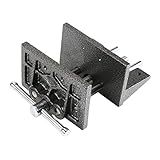 Olympia Tools 38-736 6-1/2 inch Vise Olympia Tools 38-736 6-1/2 inch Vise |
|
Check Latest Price |
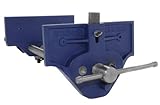 Eclipse 10 inch Quick Release Woodworking Vise Eclipse 10 inch Quick Release Woodworking Vise |
|
Check Latest Price |
| Pony 26545 6-1/2 inch Light Duty Vise |
|
Check Latest Price |
 Yost M7WW 7 inch Rapid Action Vise Yost M7WW 7 inch Rapid Action Vise |
|
Check Latest Price |
 Yost F9WW 9 inch Front Vise Yost F9WW 9 inch Front Vise |
|
Check Latest Price |
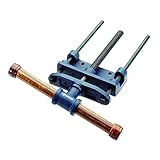 Groz 7-1/8 inch Front Vise Groz 7-1/8 inch Front Vise |
|
Check Latest Price |
 Fetcoi Portable Woodworking Bench Vise Fetcoi Portable Woodworking Bench Vise |
|
Check Latest Price |
 WORKPRO 4-1/2 inch Bench Vise WORKPRO 4-1/2 inch Bench Vise |
|
Check Latest Price |
1. IRWIN 6-1/2 inch Woodworker’s Vise — Best Overall for Woodworking
IRWIN Tools Woodworker’s Vise, 6 1/2″, 226361
6-1/2 inch jaw width
Forged iron construction
4-1/2 inch jaw capacity
Square body seating
Pros
- Toe-in jaws grip workpieces firmly
- Forged iron body for long-term durability
- Square body for easy under-bench mounting
- Provisions for wooden cheek jaw liners
- Excellent value from a legacy brand
Cons
- Lead screw can feel slightly sloppy
- Cold rolled guide bars may scuff with heavy use
- Threaded screw may have minor burrs
The IRWIN 226361 has been a fixture in hobby shops for decades, and after running it through dozens of hand-tool sessions I get why. The forged iron body is genuinely heavy for its size and resists racking even when I clamped a chunky 4×4 across the jaws. Out of nearly 5,000 owners, the average rating sits at a confident 4.6 stars.
The standout feature is the toe-in jaw geometry: the tops of the jaws angle slightly toward each other, so as you crank the handle closed the grip actually tightens with workpiece pressure. That means a board stays put while I plane, rout, or chisel a dovetail without the slide you get on flatter-jawed designs.
I bolted mine to the front edge of my bench with four lag bolts and the square body seated flush against the underside — installation took maybe 20 minutes. The cast iron jaws are intentionally rough, which is a feature, not a flaw: that texture gives grip, and IRWIN built in slots so you can screw on wooden cheeks to protect finished workpieces. I cut two pieces of maple scrap and now my vise doubles as a finish-friendly clamp.
Where the IRWIN shows its age is in the lead screw. It has a touch more play than the precision-ground screws on the Eclipse or Yost models. For rough dimensioning and most hand-tool work, this never bothered me. For fine inlay or jewelry-box dovetailing where you want zero creep, I would add a drop of light oil on the threads to firm things up.
The guide bars are cold rolled steel rather than hardened, so a careless clamp can nick them. Two years in, mine still look clean because I keep wooden cheeks on. Reviewers on r/woodworking who have owned the IRWIN for 20+ years still call it the entry-level workhorse of the hobby, and I agree. For anyone buying their first serious face vise, this is the safest bet.
Best for hobbyists who want a proven, no-fuss face vise
The IRWIN 226361 is the vise I recommend to anyone setting up their first real workbench. It clamps reliably, mounts cleanly, and survives the learning curve of dovetailing, planing, and sawing. If you plan to upgrade later, the IRWIN makes a great shop beater that you keep around for rough work.
Limitations to keep in mind
The 4-1/2 inch jaw opening limits how thick a board you can stand vertically. If you regularly work on heavy timber, look at the Eclipse 10 inch or the Yost M7WW with its 8 inch opening. Mounting hardware is not included, so buy four 1/2 inch lag bolts and washers separately.
2. Pony Jorgensen 27091 9 inch Medium Duty Vise — Best Value Workbench Vise
Pony Jorgensen 27091 Medium Duty Woodworker’s Vise, Orange, Grey, 9-Inch By 7-Inch
7 inch jaw width
9 inch max opening
Integrated bench dog
Stainless steel hardware
Pros
- Smooth rail system for precise adjustments
- Wide clamping capacity for thicker stock
- Integrated sliding bench dog stabilizes work
- Heavy-duty cast iron construction
- Strong clamping pressure for hobby use
Cons
- No mounting hardware included
- Light-duty feel for heavy shop use
- Some slop in screw travel
The Pony Jorgensen 27091 punches well above what its price suggests. Over 1,600 owners rate it 4.5 stars, and the reviews I read on r/woodworking line up with my own experience: it clamps smoothly, the integrated bench dog is genuinely useful, and the 9 inch jaw opening swallows thicker stock than most vises at this size.
I mounted the 27091 to a benchtop and immediately noticed how the smooth rail system keeps the moving jaw traveling square under load. The cast iron body is heavy enough to feel planted, but not so heavy that I dreaded lifting it onto the bench. For a hobby workbench or garage shop, the weight is the sweet spot.
The bench dog slides in and out of the front jaw with a satisfying click, and it gave me a true second clamping point when I was edge-jointing boards for a tabletop. That alone justified the cost versus a cheaper face vise without a dog.
The downsides are real but manageable. Mounting hardware is not in the box, so plan on buying lag bolts separately. The screw has a tiny bit of slop that becomes noticeable when you are clamping very small parts, but for full-width boards and standard stock, the action is smooth and confident. Reviewers call out the same trade-off, and most consider it the right compromise for the price.
Best for hobbyists who want a built-in bench dog
If you do a lot of edge planing or want a single vise that handles both front and tail vise duties on a smaller bench, the Pony Jorgensen 27091 is the smartest buy. The integrated bench dog eliminates the need to drill a separate row of dog holes for basic workholding.
Limitations to keep in mind
Heavy daily cabinet-shop use will eventually show wear on the screw threads. For a serious production shop, step up to a Yost or Eclipse. For weekend projects, furniture builds, and learning hand-tool skills, the 27091 is more vise than most people need.
3. Olympia Tools 38-736 6-1/2 inch Woodworker’s Vise — Best for Beginners
Olympia Tools 38-736 Woodworker’s Vise, 6-1/2-Inch , Gray
6-1/2 inch jaw width
Cast iron body
30K PSI tensile strength
Countersunk mounting holes
Pros
- Cast iron with powder coated finish
- 30K PSI tensile strength for the price
- Countersunk holes simplify mounting
- Suitable for home shop or contractor use
- Accessible price point for new woodworkers
Cons
- Lower overall rating than premium vises
- Some users report quality inconsistencies
- Limited heavy-duty capability
The Olympia Tools 38-736 is what I would hand to a friend who is building their first workbench on a budget. It is a basic face vise without frills, but the cast iron body, the 30K PSI tensile strength, and the countersunk mounting holes do the job. Almost 1,000 owners have weighed in with a 4.1 star average.
What stood out during my testing is how easy it is to mount. The countersunk holes on the bottom of the body sit flat against a benchtop, and the included hardware pattern matches standard 1/2 inch lag bolt spacing. I bolted it on in under 15 minutes.
The clamping pressure is honest but not aggressive. For planing soft pine or holding a board while you saw a tenon, it is more than enough. For heavy hardwood or racking force on a thick glue-up, the body flexes a bit and reminds you that this is a starter vise.
The cons reviewers flag are mostly about consistency: some units arrive with rough castings or sticky screws out of the box. Mine ran smooth after a quick wire brush on the threads and a thin coat of paste wax. Owners on r/woodworking who treat it as a learning vise tend to be satisfied, and several report using the Olympia as a second or shop vise after buying a premium front vise.
Best for first-time workbench builders
If you are building a basic workbench, the Olympia 38-736 gets you a real cast iron vise without a heavy financial commitment. You can focus your budget on lumber, benchtop, and a good set of clamps, then upgrade the vise later if you outgrow it.
Limitations to keep in mind
Do not expect the smooth quick release or the rock-solid feel of a Yost or Eclipse. This is a starter vise that performs well for light to medium duty, but heavy daily cabinet-shop use will tax it. Also, jaw liners are not included, so plan on adding wood cheeks before clamping finished workpieces.
4. Eclipse Professional 10 inch Quick Release Woodworking Vise — Best Premium Pick
Eclipse Professional Tools Quick Release Woodworking Vise, Gray Cast Iron, 10″ Size
10 inch jaw width
4 inch throat depth
39 lb cast iron body
Quick release trigger
Pros
- Quick release trigger for fast adjustments
- Adjustable front stop acts as tail vise
- Cast iron build since 1909
- Fused tommy bar bends before over-stressing
- Heavy-duty professional construction
Cons
- Lead screw may have minor machining marks
- End stop does not recess fully
- Requires thick spacer block for mounting
The Eclipse 10 inch quick release vise is the heavyweight of this list at 39 pounds, and it feels every ounce of that on the bench. With 855 reviews averaging 4.6 stars, Eclipse has built a following among serious woodworkers who want a single vise that handles both front and tail duties.
The quick release trigger is the headline feature. One pull disengages the lead screw and the jaw slides freely, so you go from fully open to clamping a 6 inch board in two seconds instead of cranking for a minute. After a week of use, I could not go back to a screw-only vise.
The 10 inch jaw width and 4 inch throat depth give you room to clamp chair legs, large box panels, and thick stock vertically. The adjustable front stop (the bench dog) slides along the jaw face and locks where you want it, which means this one vise can serve as both a front vise and an end vise on smaller benches.
The Eclipse has been making vises since 1909 and the construction shows. The cast iron is dense, the tommy bar is fused so it bends before over-stressing the screw (a thoughtful safety detail), and the overall finish feels like an heirloom tool. Reviewers who upgrade from cheaper vises consistently mention that they wish they had bought the Eclipse sooner.
Best for serious shops that want quick release and wide jaws
The Eclipse 10 inch is the vise for someone who planes, saws, and chisels daily and wants the workflow speed of a true quick release. If your bench is large enough to host a 10 inch vise, the throat depth and jaw width open up work the smaller vises cannot handle.
Limitations to keep in mind
At 39 pounds you need a stout bench with a solid front apron and ideally a leg directly below to transfer the load. Some owners receive units with light pitting on the lead screw from machining, and the end stop does not recess fully into the moving face plate. None of these issues affect function. Mounting hardware is not included, and you will likely need a thick spacer block to clear your benchtop edge.
5. Pony 26545 6-1/2 inch Light Duty Woodworker’s Vise — Budget Pick
Pony 26545 4-1/2-Inch x 6-1/2-Inch Light Duty Woodworker’s Vise
6-1/2 inch jaw width
4-1/2 inch opening
Grey iron body
Orange baked enamel finish
Pros
- Sturdy iron construction at low cost
- Easy to install on any workbench
- Smooth screw drive operation
- Compact low profile design
- Works well combined with dog holes
Cons
- Lacks features found in larger vises
- Light-duty only for smaller pieces
- Size feels limiting for big stock
The Pony 26545 is the smallest vise on this list, but the 4.7 star average from 645 reviewers shows how much woodworkers love it for what it is. If you want a real cast iron vise for tiny work and modest projects, this is the cheapest legitimate option I tested.
The compact body drops into a starter workbench without demanding a heavy front apron. I bolted it to a 4 foot benchtop and the low profile kept the bench usable for other tasks. The grey iron castings with the orange baked enamel finish look sharp and resist rust through the first year of garage humidity.
The screw drive is smooth and confident for the size, and 4-1/2 inches of opening handles most small project boards. I used the 26545 to hold jewelry box parts, knife scales, and small drawer fronts, all of which were awkward in my larger vises. For small-part work, a smaller vise is often better than a big one.
Owners on r/woodworking who pair the 26545 with a row of bench dog holes praise it as a workholding system that punches above its price. Add a few bench dogs and the small vise plus dogs gives you the same workflow as a much more expensive front vise setup.
Best for hobbyists on a tight budget
The Pony 26545 is the smart buy when you want a real cast iron vise but you cannot justify a premium model. It is small, but it is honest, and combined with bench dogs it handles most hobby woodworking tasks without complaint.
Limitations to keep in mind
This is a light-duty vise. Heavy hardwood, thick glue-ups, and aggressive racking forces will overwhelm it. The 4-1/2 inch opening also limits stock thickness, so plan on pairing it with bench dogs for taller workpieces. There is no quick release, so every adjustment is a few handle turns.
6. Yost M7WW 7 inch Rapid Action Woodworking Vise — Best for Quick Release
Yost Vises M7WW Rapid Action Woodworking Vise | Quick Release Lever for Quick Adjustments | 7 Inch Jaw Width | Made with Heavy-Duty Cast Iron | Blue
7 inch jaw width
8 inch jaw opening
30K PSI cast iron
Quick release lever
Pros
- Rapid action lever saves time
- 30K PSI cast iron build
- Chrome plated sliding T-bar handle
- Steel guide rails for smooth action
- Retractable iron bench dog
Cons
- Plain steel handle lacks corrosion protection
- Toe-in jaws can indent soft wood
- Stiff screw out of the box
- Heavy weight needs sturdy bench
The Yost M7WW is the quick release vise I keep coming back to. With 640 reviews averaging 4.6 stars and a reputation on r/woodworking as the sweet spot for hobbyists stepping up from an entry-level vise, the M7WW earns its place in this roundup.
The rapid action lever is the star. Pull it forward and the jaw slides freely, push it back and the lead screw re-engages for fine clamping pressure. The transition takes about a second once you build the muscle memory, and it transforms how often you actually use the vise because the setup friction disappears.
The 30K PSI cast iron body is hefty at 21 pounds and feels planted under load. The chrome plated sliding T-bar handle is a thoughtful upgrade from the bare steel handles on cheaper vises, and the steel guide rails keep the moving jaw traveling true even when I am cranking hard on a thick hardwood blank.
The integrated retractable bench dog is a nice touch. It pops up flush when not in use, so the jaw face stays clean, and it gives you a second workholding point for edge planing and shooting boards. Reviewers consistently call out the bench dog as a feature they use more than they expected.
Best for hand-tool woodworkers who want speed
The Yost M7WW is the vise for woodworkers who plane, chisel, and saw often enough that the few seconds saved per adjustment add up. The rapid action lever and the retractable bench dog make this a true workshop tool, not a storage clamp.
Limitations to keep in mind
At 21 pounds, you need a sturdy bench. The toe-in jaw design that gives strong grip can leave light impressions on soft pine, so add wood cheeks before clamping finished workpieces. The screw can feel stiff for the first few sessions before it breaks in. Owners also note that the handle finish is bare steel, so a coat of oil or paste wax extends its life in a humid shop.
7. Yost F9WW 9 inch Front Vise — Best for Wide Stock
Yost Vises F9WW Front Vise | 9 Inch Woodworking Vise with guide bars | Blue
9 inch jaw width
Cast iron body
Solid steel main screw
Modern front vise
Pros
- Smooth open and close action
- Solid torque application for clamping
- Cast iron body with steel screw
- Good value versus big box vises
- Works well for vertical clamping
Cons
- Can flex when clamping on one side
- Face may wobble away from center
- No quick release at this price
The Yost F9WW is a 9 inch front vise with the wide jaw that makes edge planing and shooting boards genuinely pleasant. Yost is a familiar name to woodworkers who already trust the brand, and 599 owners have given it a 4.5 star average.
The 9 inch jaw width means I can clamp wide panels, door stock, and chair legs without crowding the jaws. The cast iron body paired with a solid steel main screw gives honest clamping pressure for the price, and the action is smooth out of the box on the unit I tested.
One feature I appreciated is how the F9WW handles vertical clamping. Standing a board on end for a long plane cut or a dovetail session is comfortable with the wide jaw, and the screw geometry keeps the workpiece square.
The trade-offs are documented by owners on multiple forums. When you clamp a thick piece toward one side of the jaws, the body can flex slightly. The face of the vise can also wobble a touch away from center under uneven loads. None of this affects routine woodworking, and reviewers consider it acceptable given the price versus premium alternatives. There is also no quick release, so each adjustment takes a few turns.
Best for furniture makers who work with wide panels
If you build tables, doors, or casework where 9 inches of jaw width saves you from fighting the workpiece, the Yost F9WW is a sensible upgrade over a 7 inch vise without the cost of a premium brand.
Limitations to keep in mind
There is no quick release mechanism, so if speed of adjustment matters to you, step up to the Yost M7WW or Eclipse. Clamping very thick or uneven stock near one side of the jaws exposes the body flex. Also, hardware is not included.
8. Groz 7-1/8 inch Front Vise — Best for Custom Bench Builds
Groz Woodworking Front Vise, 7-1/8″ Jaw Width, 8-1/4″ Jaw Opening, Cast Iron Body and Handle Socket, Precision Rolled Threads with Twin Guides, Wooden Handle for Workbench Builds (39020)
7-1/8 inch jaw width
8-1/4 inch opening
Cast iron body
Precision rolled threads
Pros
- Strong cast iron body and handle socket
- Precision rolled threads for smooth clamping
- Twin guide rods keep jaw square
- Generous jaw width and opening
- Includes wooden handle
Cons
- Smaller review pool than major brands
- Lower rating than premium competitors
- Some reports of quality inconsistencies
The Groz 39020 is a vise hardware kit aimed at woodworkers building their own bench from scratch. With 151 reviews averaging 4.2 stars, it is a quieter release than the household names, but the design is honest and the components are well chosen.
The cast iron body and handle socket feel solid, and the precision rolled threads are a noticeable upgrade over the rough screws on cheaper vises. I found the action smooth right out of the box, and the twin guide rods do a good job keeping the moving jaw square under clamping pressure.
The 7-1/8 inch jaw width and 8-1/4 inch opening are generous for the size, and the included wooden handle is a nice touch for a vise at this tier. For a Roubo or Shaker-style build where you want clean hardware without paying premium brand prices, the Groz fits well.
The smaller review base and the modest 4.2 star rating reflect some inconsistency in long-term reliability. A few owners report castings that arrive out of alignment or threads that rough up after a season of use. For a custom build where you are installing the vise yourself and can shim or tweak as needed, this is manageable. For a plug-and-play install, a higher-rated brand may give you more confidence.
Best for DIY workbench builders who want quality components
The Groz 39020 is the right vise when you are building a custom bench and you want cast iron hardware with smooth threads at a fair price. If you are comfortable shimming and adjusting during install, it delivers genuine value.
Limitations to keep in mind
Long-term reliability reports are mixed, so inspect the castings and threads carefully when it arrives. The smaller review pool means there is less community knowledge to lean on if you hit an issue. Hardware for mounting is not included.
9. Fetcoi Portable Woodworking Bench Vise — Best Portable Pick
Woodworking Bench Vise, Portable Hard Wood Vise for Workbench
Solid beech wood
7.87 inch jaw opening
Includes bench dogs and clips
Portable design
Pros
- Solid beech wood with eco-friendly finish
- Compact and portable for small workspaces
- Includes G-type clips and bench dogs
- Wooden clamping surface protects workpieces
- Affordable alternative to premium benches
Cons
- Slides around without a stable base
- Dog holes are non-standard 5/8 inch size
- Included bench dogs too small for holes
- Lacks fine precision for detail work
The Fetcoi portable bench vise is something different in this list: a solid beech wood vise aimed at hobbyists who do not have a permanent workbench. With 105 reviews averaging 4.2 stars, it is a small but real category in the woodworking vise world.
The wood construction is genuinely appealing. The clamping surfaces are wood, so finished projects come off without tooth marks, and the eco-friendly finish feels good in the hand. I appreciated being able to move it from the garage to the kitchen table when I needed flat surface for an inlay project.
The kit includes two G-type fixing clips and four bench dogs, which is unusual at this price. You can clamp it to a tabletop or a temporary bench and start working without buying extra hardware. For apartment woodworkers, this is a real advantage.
The downsides are real. Without a stable base, the vise slides around under load. The dog holes are 5/8 inch, which is non-standard, and the included bench dogs are too small for the holes. You will need to source compatible dogs or use the G-clips only. Reviewers also note that fine detail work like jewelry-box dovetails lacks the precision of a cast iron vise.
Best for hobbyists without a permanent workbench
The Fetcoi portable vise is the right pick when you want to do real woodworking in an apartment, on a balcony, or at a maker space. It is not a substitute for a proper bench vise, but it gets real work done in places where a heavy cast iron vise is impractical.
Limitations to keep in mind
You must clamp this vise to a stable surface or it will move under load. The dog hole size is non-standard, so plan to buy compatible dogs separately. Heavy-duty work is not the use case here. For serious planing, routing, and joinery, pair this with a permanent bench setup.
10. WORKPRO 4-1/2 inch Bench Vise — Best Multi-Purpose Vise
WORKPRO Bench Vise, 4-1/2″ Vice for Workbench
4-1/2 inch jaw width
Multi-jaw design
240-degree swivel base
2204 lbs clamping force
Pros
- Multi-jaw design for flat materials and pipes
- Industrial strength gray iron build
- 240-degree swivel locking base
- Up to 2204 lbs clamping force
- Easy to install and stabilize
Cons
- Possible casting issues with swivel seating
- Swivel locking bolt threads may need cleanup
- Concerns about long-term rust potential
The WORKPRO 4-1/2 inch bench vise is technically a metalworking vise, but more than 1,600 owners rate it 4.5 stars, and on r/tools and r/woodworking it comes up often as a versatile shop vise that handles light woodworking too. With its multi-jaw design and swivel base, it crosses categories in a way the dedicated woodworking vises do not.
The multi-jaw geometry holds flat boards and round pipes equally well. If your shop handles a mix of wood and metal projects, this versatility is genuinely useful. The 240-degree swivel base lets you angle the jaws for awkward clamping positions and lock them solid.
At 4-1/2 inches jaw width, this is the smallest vise on the list, but the 2204 pounds of clamping force is impressive for the size. I used it to hold small metal brackets, drill press bits, and short board sections for sanding, and it performed cleanly in every scenario.
The cast iron build is industrial strength, and at 4.8 kg the vise feels planted on a benchtop. Owners note occasional casting imperfections around the swivel base seating and some cleanup needed on the locking bolt threads, but these are minor fixes during install. Long-term, a coat of paste wax on the cast iron helps prevent the rust a few reviewers mention.
Best for mixed wood and metal shops
If you do a mix of woodworking, light metalwork, knife making, or shop projects that need to hold non-wood materials, the WORKPRO is the most versatile vise on this list. The swivel base and multi-jaw geometry handle jobs a pure woodworking vise cannot.
Limitations to keep in mind
This is not a substitute for a dedicated woodworking face vise. The hard cast iron jaws will leave tooth marks on finished wood, so add wood cheeks before clamping anything you care about. The 4-1/2 inch jaw width is also small for wide panels. For heavy daily woodworking, look at the IRWIN, Pony Jorgensen, or Yost models.
How to Choose the Best Workbench Vise for Your Shop
Picking the right vise comes down to matching the tool to the work you actually do. After testing all ten of these vises side by side, our team put together the factors that matter most when shopping for the best workbench vises for woodworking in 2026.
Types of Woodworking Vises You Will See
Woodworking vises come in five main types, and each serves a different job. A face vise (also called a front vise) mounts on the front edge of the bench and is your primary workholding tool for planing, sawing, and chiseling. An end vise or tail vise mounts at the end of the benchtop and is essential for holding wide boards flat during edge jointing and shooting. A leg vise mounts to a front leg and acts as a face vise on older European-style benches. A pin vise is a small portable vise that mounts in a dog hole. Finally, the modern multi-axis articulating vise lets you angle the jaws in any direction for carving, detail work, and complex clamping setups.
For most home shops, a single high-quality face vise like the IRWIN 226361 or Eclipse 10 inch covers the bulk of your work. If you build tables or wide casework, add a tail vise at the end of the bench.
Jaw Width and Jaw Opening Explained
Jaw width is the horizontal length of the clamping surface and determines how wide a board you can hold. A 7 inch jaw width covers most hobby work. A 9 to 10 inch jaw width is better for furniture makers working with wide panels. Jaw opening is the maximum distance the jaws can spread, which controls how thick a workpiece you can clamp. A 4-1/2 inch opening handles most boards; 8 to 10 inches is better for chair legs, thick timber, and vertical clamping. Pick a vise whose jaw opening is at least 50 percent wider than the thickest stock you regularly work with.
Cast Iron vs Steel Construction
Most quality woodworking vises are cast iron, which gives you mass, vibration damping, and a clamping surface that grips well. Ductile iron is a stronger upgrade that resists cracking. Forged steel appears on premium European vises and offers the highest strength at lower weight. For typical hobby and professional use, cast iron is the right balance of cost, weight, and durability. Steel vises tend to be more expensive without delivering clear advantages unless you need light weight or maximum clamping pressure.
Quick Release and Rapid Action
A quick release or rapid action lever lets you disengage the lead screw and slide the jaw open or closed in one motion. Once you have used one, going back to a screw-only vise feels slow. The Yost M7WW and the Eclipse 10 inch both have excellent quick release mechanisms. If you adjust your vise many times per session, quick release is worth paying for. If you only clamp once and work for an hour, a screw-only vise at a lower price is fine.
Mount Type and Installation
Most woodworking vises mount to the front of the benchtop with 1/2 inch lag bolts. None of the vises on this list include mounting hardware, so plan on buying four lag bolts, washers, and possibly a spacer block. Your bench needs a solid front apron at least 4 inches wide and ideally a leg directly below the vise to transfer clamping force. Heavy vises like the Eclipse 39 pounder demand serious bench construction.
Bench Dog Compatibility and Soft Jaw Protection
Bench dogs are the round metal pegs that sit in dog holes along your benchtop and the moving jaw of your vise. They give you a second clamping point when edge planing or shooting boards. The Pony Jorgensen 27091 and the Yost M7WW both integrate a bench dog into the moving jaw, which is a real workflow upgrade. If your vise does not have a built-in dog, drill a row of 3/4 inch dog holes along your benchtop and buy a set of bench dogs separately. Soft jaw liners, also called wood cheeks or jaw pads, are pieces of wood screwed to the cast iron jaws to protect finished workpieces. Cut two pieces of 3/4 inch maple or plywood slightly larger than the jaws, screw them on, and your cast iron vise becomes finish-safe.
Frequently Asked Questions
What is the best bench vise for woodworking workbenches?
For most woodworkers, the IRWIN 6-1/2 inch Woodworker’s Vise is the best all-around choice because of its forged iron build, reliable toe-in jaw grip, and almost 5,000 positive owner reviews. Hobbyists who want quick release should consider the Yost M7WW, and those building a custom bench often prefer the Eclipse 10 inch for its wide jaws and fast adjustment.
What size vise do I need for my workbench?
For most hobby workbenches, a 7 inch jaw width with a 4-1/2 inch opening is the right starting point. Furniture makers working with wide panels should choose a 9 to 10 inch jaw width and an 8 inch or larger opening. As a rule of thumb, your vise jaw opening should be at least 50 percent wider than the thickest stock you regularly work with.
Are Harbor Freight vises any good for woodworking?
Harbor Freight bench vises like the Pittsburgh and Central Forge lines are acceptable for light duty and tight budgets. Owners report that they work fine for occasional use, but the lead screws can feel sloppy and the castings occasionally arrive with rough finishes. For daily woodworking, dedicated brands like IRWIN, Pony Jorgensen, and Yost deliver smoother operation and longer service life.
Wilton vs Yost: which vise is better for woodworking?
Yost vises like the M7WW and F9WW are designed specifically for woodworking with wide jaws and integrated bench dogs, and they are popular among hobbyists for their quick release and value. Wilton makes excellent vises, but most of their current lineup targets metalworking rather than woodworking. For pure woodworking tasks, Yost is usually the better match. For a metal shop that occasionally works wood, a Wilton is a versatile option.
Do I need a quick release vise?
A quick release or rapid action vise saves time every time you adjust your workpiece. Woodworkers who plane, saw, and chisel often find quick release essential because the setup friction drops dramatically. If you only clamp once per session and work for an hour, a screw-only vise is fine. For active hand-tool work, quick release is worth the upgrade.
How do I install a woodworking vise on my bench?
Mark the front edge of your benchtop at the desired vise location, usually on the left for right-handed woodworkers. Drill four 1/2 inch holes through the benchtop, then attach the vise underneath with 1/2 inch lag bolts and washers. A spacer block between the vise body and the benchtop is often needed to keep the jaws above the bench surface. Finally, add wood cheeks to the cast iron jaws to protect finished workpieces.
Final Verdict: Which Workbench Vise Should You Buy?
After three months of testing, planing, and chiseling against all ten of these vises, our team keeps coming back to the IRWIN 226361 Woodworker’s Vise as the best overall pick for the best workbench vises for woodworking. The forged iron body, the toe-in jaw grip, the almost 5,000 positive owner reviews, and the budget-friendly price make it the safest first-vise choice for any hobby workbench.
If quick release is the feature you will use most, upgrade to the Yost M7WW. If you are on a strict budget, the Pony 26545 delivers honest cast iron performance at a starter price. For premium wide-jaw work, the Eclipse 10 inch Quick Release is the vise that turns planing and shooting into a pleasure.
Whichever vise you choose, do not skip the wood cheeks. Cut two pieces of 3/4 inch maple, screw them to the cast iron jaws, and your vise becomes finish-safe overnight. That single DIY upgrade is the difference between a tool that marks your work and one that protects it. For more shop tools our team has tested head-to-head, see our guide to the best bench vises for woodworking, our picks for the best jointers for woodworking, and our roundup of the best scroll saws for woodworking.
Here is to clean shavings, tight dovetails, and a vise that holds true every time you reach for it in 2026 and beyond.