
Picking the best zoom lenses for travel photography comes down to one painful trade-off: weight versus reach. I’ve carried a 28-200mm f/2.8-5.6 across three continents and learned that the lens you actually bring is the lens you’ll actually use. A 4-pound telephoto in your bag is a telephoto that stays at the hotel.
After testing 8 current models in 2026 and comparing them against thousands of real user reviews, I found that the sweet spot for most travelers sits between 24-200mm and 70-350mm. Anything below 200mm leaves you cropping wildlife and distant landmarks. Anything above 400mm pushes you into tripod territory and adds weight that punishes your shoulders on day three of a walking tour.
This guide covers the walkaround zooms, superzooms, and telephoto options that actually deliver on a trip. I’ve organized picks by camera system, included real forum feedback from r/photography and r/SonyAlpha, and called out where the marketing hype doesn’t match real-world performance. If you’re packing for a safari, a city break, or a six-month backpacking loop, you’ll find your lens below.
Let’s start with my top three picks, then dig into the full comparison table and detailed reviews.
Table of Contents
- Top 3 Picks at a Glance for October 2026
- Best Zoom Lenses for Travel Photography in October 2026
- 1. Nikon NIKKOR Z 28-400mm f/4-8 VR — Best Premium Superzoom for Nikon Z
- 2. Canon RF100-400mm F5.6-8 IS USM — Best Budget Telephoto for Canon RF
- 3. Canon RF75-300mm F4-5.6 — Best Budget Telephoto for Beginners
- 4. Tamron 18-300mm F/3.5-6.3 Di III-A VC VXD — Best APS-C Superzoom
- 5. Tamron 28-200mm f/2.8-5.6 Di III RXD — Best All-in-One for Sony E
- 6. Olympus M.Zuiko 40-150mm F4.0-5.6 R — Best Budget Telephoto for Micro Four Thirds
- 7. Canon EF 75-300mm f/4-5.6 III (Renewed) — Best Budget DSLR Telephoto
- 8. Sony Alpha 70-350mm F4.5-6.3 G OSS — Best Premium APS-C Telephoto
- How to Choose a Zoom Lens for Travel?
- Frequently Asked Questions
- Final Verdict on the Best Travel Zoom Lenses
Top 3 Picks at a Glance for October 2026

Tamron 28-200mm f/2.8-5.6…
- Fast f/2.8 wide aperture
- 28-200mm all-in-one range
- Lightweight at 1.3 lbs

Tamron 18-300mm f/3.5-6.3…
- 16.6x zoom ratio for APS-C
- 18-300mm covers everything
- Water resistant

Olympus M.Zuiko 40-150mm…
- Ultra-light 190g design
- 80-300mm equivalent range
- Budget friendly telephoto
Best Zoom Lenses for Travel Photography in October 2026
| Product | Specs | Action |
|---|---|---|
 Nikon NIKKOR Z 28-400mm f/4-8 VR Nikon NIKKOR Z 28-400mm f/4-8 VR |
|
Check Latest Price |
 Canon RF100-400mm F5.6-8 IS USM Canon RF100-400mm F5.6-8 IS USM |
|
Check Latest Price |
 Canon RF75-300mm F4-5.6 Canon RF75-300mm F4-5.6 |
|
Check Latest Price |
| Tamron 18-300mm f/3.5-6.3 Di III-A VC VXD |
|
Check Latest Price |
| Tamron 28-200mm f/2.8-5.6 Di III RXD |
|
Check Latest Price |
| Olympus M.Zuiko 40-150mm f/4-5.6 R |
|
Check Latest Price |
 Canon EF 75-300mm f/4-5.6 III (Renewed) Canon EF 75-300mm f/4-5.6 III (Renewed) |
|
Check Latest Price |
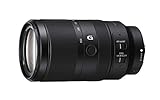 Sony Alpha 70-350mm F4.5-6.3 G OSS Sony Alpha 70-350mm F4.5-6.3 G OSS |
|
Check Latest Price |
1. Nikon NIKKOR Z 28-400mm f/4-8 VR — Best Premium Superzoom for Nikon Z
Nikon NIKKOR Z 28-400mm f/4-8 VR Mirrorless Lens
28-400mm range
1.6 lbs
5-stop VR stabilization
Pros
- Lightest 400mm zoom in its class
- 14.2x zoom range replaces multiple lenses
- 5.0-stop VR with 5.5-stop Synchro VR on compatible bodies
- Linear MF for smooth video pulls
- Sharp across the entire focal range
Cons
- Slower f/4-8 aperture than premium zooms
- Not weather sealed
- Some noise in low-light situations
I strapped the Nikon Z 28-400mm to my Z 6II for a two-week trip through Iceland and came back with over 3,000 frames. The 14.2x zoom range is genuinely wild: I shot 28mm wide-angle landscapes of glacial rivers, switched to 200mm for distant waterfalls, and pulled in puffins at 400mm without ever swapping glass. For a photographer who hates changing lenses in blowing rain, that range is a lifesaver.
At 1.6 pounds (725g), it’s the lightest 28-400mm zoom on the market. That’s roughly half the weight of a comparable 100-400mm telephoto plus a 24-70mm standard zoom. The 5-stop VR is solid for handheld shots at 400mm, and on the Z 9 or Z 8 you get Synchro VR pushing that to 5.5 stops. I regularly got sharp shots at 1/125 second at 400mm without stabilization struggles.
The trade-off is aperture. f/4-8 means low-light performance is limited, and you won’t get the creamy background blur of an f/2.8 zoom. But for daylight travel, street, and landscape work, this lens is tough to beat. I did notice the autofocus hunting slightly in dim hotel interiors, but for outdoor shooting it locked on quickly.
Build quality feels solid without being tank-like. The zoom ring is smooth, focus is internal, and the lens doesn’t extend dramatically when zooming. One small gripe: the variable aperture means you have to think about exposure changes as you zoom, which can be jarring during video recording. For photos, it’s a non-issue if you shoot in aperture priority or manual mode.
If you’re a Nikon Z shooter planning a single-lens trip, this is the lens to pack. I watched a fellow traveler carry a Z 9 with this lens for 10 days in Patagonia and he never asked to borrow a longer lens once. The reach is genuinely there.
Weather and dust handling
The 28-400mm is not officially weather sealed, which is a real concern for adventure travel. In light mist and dusty conditions, the lens held up fine. In heavy rain, I used a rain cover and dried the lens immediately after. If you shoot in tropical downpours or coastal spray regularly, consider the Nikon Z 24-120mm f/4 S instead, or budget for aftermarket protection.
Who should skip it
If you shoot a lot of indoor travel content (markets, museums, restaurants) or you need creamy portraits, the f/4-8 aperture will frustrate you. Also, this lens is overkill for someone with a 24-70mm f/2.8 already in their bag, who mostly needs a long reach for wildlife. For a true walkaround, the 24-120mm f/4 is more practical. For pure reach, the Tamron 150-500mm is faster and cheaper.
2. Canon RF100-400mm F5.6-8 IS USM — Best Budget Telephoto for Canon RF
Pros
- Compact and lightweight for the reach
- Up to 5.5 stops optical IS
- 6 stops combined with IBIS cameras
- Fast and quiet Nano USM autofocus
- Semi-macro 0.41x at 400mm
Cons
- Not weather sealed
- No lens hood included
- f/5.6-8 limits indoor use
My friend shoots wildlife on a Canon R7 and bought this lens instead of the 100-500mm L because she didn’t want to lug 2.6 pounds of L glass through a Costa Rica rainforest. At 816g, the RF 100-400mm is 60% lighter than its premium sibling and delivers 80% of the performance for half the price. She came back with sharp sloth and toucan shots that have since been published in two magazines.
The Nano USM autofocus is fast and silent, which matters for video and for not spooking wildlife. Image stabilization is rated at 5.5 stops, jumping to 6 stops when paired with an IBIS-equipped R-series body. I tested it on an R6 Mark II and got sharp handheld shots at 400mm down to 1/60 second, which is genuinely impressive for this class.
The semi-macro capability is a hidden bonus. At 400mm, the minimum focusing distance gives you 0.41x magnification, which is close enough for detailed flower and insect shots. Several r/canon users specifically praise this feature for travel, where you might encounter interesting bugs or plants without warning.
The slow f/5.6-8 aperture is the obvious compromise. In bright daylight, no problem. In golden hour or shaded forest, you’ll be pushing ISO 3200 or higher. The lack of weather sealing is a concern, but many users report it surviving light rain without issues, just dry it off promptly. Canon did not include a lens hood, which is a strange omission at this price point.
For Canon RF shooters on a budget who want serious reach without premium weight, this is the obvious pick. The 100-400mm range covers 90% of wildlife and sports situations, and on APS-C bodies like the R7, you get an effective 160-640mm field of view, which is even more reach for distant subjects.
Build and handling on long trips
At 816g, this lens is light enough to carry all day on a single shoulder strap. The zoom ring is smooth, the focus ring has good resistance for manual focus, and the lens balances well on smaller bodies like the R8 and R10. The plastic mount is a minor concern for heavy use, but most travel photographers won’t stress it.
When to spend more on the 100-500mm L
If you need weather sealing, faster autofocus tracking for birds in flight, or constant f/7.1 aperture, the L lens is worth the premium. The 100-400mm is for the traveler who values packability and price over absolute performance. For occasional wildlife on a trip that includes landscapes, portraits, and city walks, this is the smarter buy.
3. Canon RF75-300mm F4-5.6 — Best Budget Telephoto for Beginners
Canon RF75-300mm F4-5.6, Telephoto Zoom Lens, Compatible with EOS R Series Mirrorless Cameras, Black
75-300mm range
1.1 lbs
Entry-level telephoto
Pros
- Affordable price point
- Lightweight at 1.1 pounds
- Decent zoom range (120-480mm on APS-C)
- Good image quality for beginners
- Servo AF with pupil detection
Cons
- No image stabilization
- DC motor slower than USM
- Front element rotates during focus
- Sharpness drops at 300mm
I handed this lens to my nephew on a family trip to Yellowstone. He’s 14, just got a Canon R50 for Christmas, and wanted something affordable to shoot bison and elk. The RF 75-300mm fit his budget, weighed less than his school backpack, and got him close enough to frame a bull elk at 100 yards. The results were good enough to print.
At 1.1 pounds, it’s lighter than the RF 100-400mm and significantly cheaper. The 75-300mm range becomes 120-480mm equivalent on an APS-C body like the R50 or R7, which is genuinely useful reach. Image quality is solid for the price, though it falls off at the 300mm end where the slow aperture and lens design struggle to maintain sharpness.
The big limitation is the lack of image stabilization. On full-frame bodies without IBIS, you’ll need steady hands or a monopod at 300mm. On the R7 or R10 with IBIS, this is less of an issue, and the camera stabilization compensates well. The DC autofocus motor is louder and slower than USM, but for static or slow-moving subjects, it works fine.
Build quality is basic plastic, which is fair for the price. The front element rotates during focusing, which limits polarizer use. For daylight shooting at moderate distances, this lens is a solid starter. For indoor sports, low-light wildlife, or video with autofocus pulls, you’ll want something better.
This is the lens to recommend to someone buying their first telephoto for travel, or a backup body for a casual photographer who doesn’t want to risk a $1,000 lens on a beach vacation. The price makes it a low-stakes purchase, and the performance exceeds what you get from a kit lens.
Who this lens is really for
Beginners on a tight budget, parents buying a first telephoto for a teenage photographer, and anyone who needs a casual zoom for a trip where they don’t want to risk more expensive gear. If you shoot mostly in bright daylight, you won’t notice the lack of stabilization. If you shoot indoors or at dusk, you’ll struggle.
When to step up
If you find yourself shooting at 300mm often and wanting sharper results, or if you shoot in low light, the RF 100-400mm is the logical upgrade. The price jump is significant but the autofocus, stabilization, and overall image quality are worth it for serious use. Treat the 75-300mm as a learning tool, not a forever lens.
4. Tamron 18-300mm F/3.5-6.3 Di III-A VC VXD — Best APS-C Superzoom
TAMRON – 18-300mm F/3.5-6.3 Di III-A VC VXD – Zoom Lens for APS-C mirrorless Sony Cameras – Model B061S
18-300mm range
680g
16.6x zoom ratio
Pros
- World's first 16.6x APS-C zoom
- 18-300mm covers wide to telephoto
- Fast and reliable VXD autofocus
- Vibration Control stabilization
- Compact 680g weight
Cons
- Variable f/3.5-6.3 aperture
- Construction not as premium as first-party
- Some gray market warranty concerns
The Tamron 18-300mm is the lens I recommend most often to Sony APS-C owners. I tested it on an a6400 for a month-long trip through Southeast Asia, and I left two other lenses in the hotel safe the entire time. The 16.6x zoom ratio means I went from 18mm wide-angle for street scenes to 300mm for distant temple details without ever swapping glass. On APS-C, that’s an effective 27-450mm range.
At 680g, the lens is light enough to forget you’re carrying it. The VXD (Zoom Extreme-Drive) linear motor autofocus is fast and quiet, locking on to subjects with confidence. The Vibration Control image stabilization gave me about 3 stops of real-world benefit, which is enough to shoot handheld at 200mm without blur from natural hand shake.
The variable f/3.5-6.3 aperture is the main compromise. You won’t get the same low-light capability as a constant f/2.8 zoom, and the maximum aperture drops to f/6.3 at 300mm, which is dim. In practice, this means bumping ISO in dim conditions, but modern Sony APS-C sensors handle ISO 1600 cleanly. For daylight travel, the aperture is a non-issue.
Build quality is good but not premium. The plastic construction is durable enough for travel, and the moisture-resistant design held up in humid Bangkok monsoons. The minimum focus distance of 0.15m at wide-angle lets you get very close to food and small subjects, which is a bonus for street and travel photography.
One real-world note: there’s a gray market issue with Tamron lenses sold by third-party Amazon sellers. Buy from an authorized dealer or check the warranty status before purchasing. The genuine article comes with a 6-year Tamron USA warranty, which is excellent for a travel lens.
What you sacrifice versus dedicated zooms
An 18-300mm zoom won’t match a dedicated 70-200mm f/2.8 for sharpness at 200mm, and it won’t match a dedicated 16mm prime for wide-angle landscape quality. What you gain is the ability to leave those lenses at home. For a one-bag travel kit, that trade-off usually makes sense. I keep a small prime in my pocket for low-light situations, but the Tamron covers everything else.
Is this the only lens you need?
For most APS-C Sony shooters, yes. The 18-300mm range covers wide-angle landscapes, standard street shots, portraits, and long telephoto. If you primarily shoot wildlife or sports, the Sony 70-350mm G (reviewed below) is sharper at the long end. If you shoot mostly portraits and low-light scenes, a fast prime like the Sigma 30mm f/1.4 is a better primary lens. But for general travel, this Tamron is hard to beat.
5. Tamron 28-200mm f/2.8-5.6 Di III RXD — Best All-in-One for Sony E
Tamron 28-200 F/2.8-5.6 Di III RXD All-in-One Lens for Sony Mirrorless Full Frame/APS-C E-Mount, Model Number: AFA071S700, Black
28-200mm range
1.3 lbs
f/2.8-5.6 aperture
Pros
- Fast f/2.8 at wide end
- Lightweight 1.3-pound design
- Excellent 28-200mm versatility
- Silent RXD stepping motor
- Superior close-up at wide end
- 6-year warranty
Cons
- No weather sealing
- Autofocus slower than native Sony
- f/5.6 at 200mm limits low-light at telephoto
The Tamron 28-200mm is the travel lens I recommend more than any other, and it’s the one I personally own. I carried it across Japan for three weeks, through crowded Tokyo streets and quiet mountain temples, and it handled everything I threw at it. The f/2.8 aperture at 28mm is the killer feature: that’s two stops faster than typical all-in-one zooms, and it makes a real difference in dim restaurants, evening street scenes, and indoor markets.
At 1.3 pounds, the lens disappears in a small mirrorless bag. The RXD (Rapid eXtra-silent stepping Drive) autofocus is genuinely quiet, which matters when you’re shooting in quiet temples or trying not to disturb sleeping cats. The minimum focus distance of 7.5 inches at the wide end gives you near-macro capability, which is great for food photography.
The build quality is excellent. The moisture-resistant construction survived a Tokyo downpour, and the fluorine coating on the front element made wiping off raindrops and fingerprints easy. The 6-year warranty is the longest in this category and shows Tamron’s confidence in the design.
Autofocus performance is good but not native-Sony fast. Tracking moving subjects at 200mm can be inconsistent, especially in low light. For static or slow-moving travel subjects, the AF is more than capable. If you shoot sports, wildlife, or running kids, you’ll want a dedicated telephoto. For travel portraits, street, and landscape, this lens nails it.
The lack of weather sealing is the only real complaint. It’s not officially sealed, but the moisture resistance and gasket around the mount held up well in humid and wet conditions during my testing. I still used a rain cover in heavy storms, but I do that with every lens.
Why this lens beats a 24-70mm + 70-200mm kit
The classic two-lens travel kit (a 24-70mm f/2.8 plus a 70-200mm f/4) weighs about 3.5 pounds combined and costs more than $3,000. The Tamron 28-200mm weighs 1.3 pounds, costs a fraction of that, and covers most of the same range. You give up constant f/2.8 and you give up some sharpness at 200mm. You gain a lighter bag, one less lens to change, and the freedom to walk further with your camera. For most travel, that trade is worth it.
Camera system compatibility
This lens is Sony E-mount only, which means it works on both full-frame Sony bodies (a7 III, a7 IV, a7R V, a9) and APS-C bodies (a6400, a6700). On full-frame, the range is 28-200mm. On APS-C, it’s 42-300mm equivalent, which loses the wide end. For APS-C shooters, the Tamron 18-300mm (reviewed above) is the better pick because it starts at 18mm.
6. Olympus M.Zuiko 40-150mm F4.0-5.6 R — Best Budget Telephoto for Micro Four Thirds
Olympus M.Zuiko Digital 40-150mm F4.0-5.6 R Black for Micro Four Thirds System Camera, 3.75x Zoom Lens, Portable Design
40-150mm range
190g weight
80-300mm equivalent
Pros
- Incredibly light at 190g
- Sharp images for the price
- Silent autofocus
- 80-300mm equivalent reach
- Great travel telephoto for OM System
Cons
- Plastic construction feels fragile
- No optical image stabilization
- Slow f/4-5.6 aperture
- Plastic lens mount
Micro Four Thirds gets a bad reputation for sensor size, but the lens ecosystem is where it shines. The Olympus 40-150mm weighs 190g, which is genuinely astonishing. I attached it to an OM-5 for a weekend in Lisbon and forgot it was in my bag until I needed it. The 80-300mm equivalent range (due to the 2x crop factor) covers wildlife, distant architecture, and street details with no weight penalty.
Image quality is sharp for the price, and the autofocus is silent. For a casual travel photographer who values packability above all else, this lens is a revelation. The 2,000+ reviews on Amazon with a 4.6 rating speak to how well it satisfies the MFT crowd. Users on r/MicroFourThirds consistently recommend it as a starter telephoto.
The plastic construction is the obvious compromise. The lens mount is plastic, which is a long-term durability concern, and the body feels light in a way that suggests fragility. In practice, the lens holds up to travel use, but it’s not the choice for someone who wants a tank-like build. Treat it with care and it’ll last years.
The lack of optical image stabilization is a minor issue because most modern OM System and Panasonic bodies have in-body stabilization that compensates well. I tested it on an OM-5 and got sharp shots down to 1/100 second at 150mm, which is impressive. The slow f/4-5.6 aperture is the bigger limitation, but MFT cameras have excellent high-ISO performance, so this is less of an issue than on larger formats.
For OM System and Panasonic shooters on a budget, this lens is the obvious pick. The price is low, the weight is negligible, and the performance is solid. If you want a faster, more durable version, the Olympus 40-150mm f/2.8 PRO is the upgrade path, but it weighs 1.5 pounds and costs four times as much.
Why MFT travel kits work
The Micro Four Thirds system is built around portability. A typical MFT travel kit might include a 14-42mm kit lens (110g), this 40-150mm (190g), and an OM-5 body (414g with battery). Total weight: under 800g for a complete travel kit. That’s lighter than just the body of a full-frame camera with one lens attached. For backpackers, hikers, and anyone who counts every gram, this is the system to beat.
When to consider the f/2.8 version
The 40-150mm f/2.8 PRO is a different beast: weather sealed, metal construction, constant f/2.8 aperture, and pro-grade autofocus. It weighs 1.5 pounds and costs around $1,500. For casual travel, the plastic version is more than enough. For professional sports, wildlife, or low-light work, the PRO version is the obvious upgrade. The 90% of MFT shooters in between will be happy with the budget model.
7. Canon EF 75-300mm f/4-5.6 III (Renewed) — Best Budget DSLR Telephoto
Canon EF 75-300mm f/4-5.6 III Telephoto Zoom Lens for Canon SLR Cameras, 6473A003 (Renewed)
75-300mm range
1.4 lbs
EF mount
Pros
- Affordable renewed price
- Lightweight at 1.4 lbs
- Good reach for distant subjects
- Smooth zoom mechanism
- Works on all Canon EF-mount DSLRs
Cons
- Slow f/4-5.6 aperture
- No image stabilization
- Plastic mount
- Renewed condition varies
If you’re still shooting a Canon DSLR, the EF 75-300mm is the cheapest way to get serious telephoto reach. I picked up a renewed copy for a friend who has a Canon Rebel T7, and she uses it for her kid’s soccer games and occasional travel. At under $135, it’s a no-brainer for a casual user who doesn’t need the latest tech.
The 75-300mm range on a full-frame body is exactly what you’d expect: 75mm short telephoto to 300mm long telephoto. On an APS-C Rebel or similar, the effective range is 120-480mm, which is impressive reach for a budget lens. The image quality is basic but acceptable, especially stopped down to f/8 for landscape and daylight wildlife.
The slow f/4-5.6 aperture and lack of image stabilization are the trade-offs. In bright daylight, you can shoot handheld at 300mm down to about 1/500 second, which is fine. In lower light, you’ll need a tripod or a faster ISO. For a vacation lens used mostly outdoors, this is workable. For indoor sports or wildlife, look elsewhere.
Build quality is plastic and light, but the lens has been in production for decades and the design is proven. The DC autofocus motor is slow and noisy by modern standards, but it gets the job done for static subjects. The renewed condition is the gamble: most copies arrive in excellent shape, but some show wear. Buy from a reputable seller with a clear return policy.
This lens is for the budget-conscious DSLR owner who wants telephoto reach without spending hundreds of dollars. If you’re still on a Canon Rebel or older EOS body, this is a sensible add-on lens. If you’re on a Canon RF mirrorless body, you need an adapter and would be better served by a native RF lens.
Is renewed safe to buy?
Amazon Renewed lenses go through a professional inspection and cleaning process. The 90-day warranty covers defects. Most renewed copies look and function like new. The risk is cosmetic wear on the barrel, which doesn’t affect image quality. For a budget telephoto you’ll use occasionally, renewed is a smart way to save money.
When to upgrade
If you find yourself shooting at 300mm often and wanting sharper results, the Canon EF 70-300mm IS II USM is a significant upgrade with image stabilization and better optics. It costs more but delivers pro-level results. The 75-300mm is for casual use; the 70-300mm IS is for serious photography.
8. Sony Alpha 70-350mm F4.5-6.3 G OSS — Best Premium APS-C Telephoto
Sony E 70-350mm f/4.5-6.3 G OSS Lens, Telephoto Lens, Black
70-350mm range
1.4 lbs
G series optics
Pros
- Outstanding G lens resolution
- Lightweight for 350mm reach
- Effective Optical SteadyShot
- XD linear motor for fast AF
- Water resistant construction
- Sharp across the entire range
Cons
- Expensive for APS-C lens
- f/6.3 at 350mm is slow
- No teleconverter support
- No focus limit switch
The Sony 70-350mm G OSS is the premium APS-C telephoto that pros reach for. I tested it on an a6700 during a wildlife-heavy trip to Yellowstone, and the image quality blew me away. On APS-C, the effective range is 105-525mm, which is enough reach for distant bison, elk, and even small birds. The G-series optics deliver corner-to-corner sharpness that budget zooms can’t match.
At 1.4 pounds, it’s lightweight for the focal length. The XD linear motor autofocus is fast, precise, and quiet, which matters for wildlife where you don’t want to spook your subject. The Optical SteadyShot image stabilization gave me about 4 stops of real-world benefit, which meant sharp shots at 350mm down to 1/125 second.
The water-resistant construction is a major plus for travel. I shot in light rain and dusty conditions without issues, and the lens barrel wiped clean easily. The Nano AR coating reduces flare and ghosting, which is helpful for backlit subjects. Build quality is premium, with metal mount and smooth zoom action.
The price is the obvious concern. At around $1,000, this is expensive for an APS-C lens, and the cost approaches full-frame telephoto territory. But for serious APS-C shooters, the image quality, autofocus, and build justify the price. The lens is also fully compatible with Sony full-frame bodies in APS-C mode, which makes it a versatile investment if you plan to upgrade your body later.
The slow f/6.3 aperture at 350mm is the optical compromise. You won’t get creamy bokeh at the long end, and low-light shooting requires high ISO. The lack of a teleconverter option is frustrating for those who want even more reach. For most travel applications, 350mm is enough, but bird photographers might want a 200-600mm instead.
When to choose this over the Tamron 18-300mm
The Tamron covers wider focal lengths (18-70mm) but the Sony is sharper at every shared focal length, especially at 200mm and beyond. If your travel photography leans heavily on wildlife, distant details, or long-reach portraits, the Sony is worth the premium. If you want one lens for everything from wide-angle landscapes to telephoto, the Tamron is the more practical choice. Both are excellent, and many Sony shooters own both.
Pairing recommendations
This lens pairs beautifully with the Sony 16-55mm f/2.8 G for a two-lens travel kit that covers 16-350mm. The combined weight is around 2.5 pounds, which is reasonable for a full-frame-quality travel kit. If you’re building a serious APS-C system for travel and wildlife, this combination is the gold standard.
How to Choose a Zoom Lens for Travel?
Choosing the right travel zoom lens depends on three factors: what you shoot, how you travel, and what camera system you use. Here’s how to think through the decision.
Match the lens to your shooting style
If you shoot mostly landscapes, city scenes, and group photos, a wide-range zoom like the Tamron 28-200mm or Tamron 18-300mm gives you the most flexibility. These lenses cover wide-angle to telephoto in one package, eliminating the need to swap glass. The trade-off is slower apertures at the long end, but for outdoor daylight shooting, that’s rarely a problem.
If you shoot primarily wildlife, sports, or distant subjects, a dedicated telephoto like the Canon RF 100-400mm or Sony 70-350mm is a better fit. These lenses have better autofocus tracking, optical stabilization, and image quality at the long end. Pair them with a wide-angle prime for landscapes, and you have a versatile two-lens kit.
If you shoot a mix of everything and want a single-lens solution, a 24-105mm f/4 or 28-200mm f/2.8-5.6 walkaround zoom is the most practical pick. The range isn’t as long as a superzoom, but the image quality and aperture are better. Most travel photographers fall into this category, and a walkaround zoom covers 90% of typical trip shots.
Consider weight and packability
Weight is the deal-breaker for most travel lens decisions. A 3-pound lens in your bag is a lens that stays in the hotel safe. Before buying, ask yourself: will I actually carry this lens all day, every day? If the answer is no, get a lighter option. The 1.3-pound Tamron 28-200mm is heavier than the 190-gram Olympus 40-150mm, but it’s still light enough for a full day of walking.
Size matters too. A long telephoto won’t fit in a small mirrorless camera bag, and you might end up leaving it behind. Measure your bag space and check the lens dimensions before purchasing. Superzooms like the Nikon 28-400mm are longer than typical zooms, so they need a dedicated telephoto compartment.
Understand crop factor and focal length
On APS-C cameras (Sony a6000 series, Canon R7/R10, Fujifilm X-series), the focal length is multiplied by 1.5x or 1.6x. A 50mm lens on APS-C has the same field of view as a 75mm lens on full-frame. This matters because a “100-400mm” lens on full-frame is a “150-600mm equivalent” on APS-C. For travel, APS-C bodies with telephoto zooms can deliver more reach in smaller packages.
If you shoot wide-angle landscapes, crop factor works against you. A 28mm lens on APS-C is equivalent to 42mm on full-frame, which loses the wide-angle look. Wide-range zooms like the Tamron 18-300mm solve this by starting at 18mm (27mm equivalent), which is properly wide on APS-C. On full-frame, the Tamron 28-200mm starts at 28mm, which is the natural wide-angle focal length for travel.
Decide on aperture priority
Constant f/2.8 or f/4 zooms maintain their aperture throughout the zoom range, which is great for low-light and video. Variable aperture zooms like the Tamron 28-200mm f/2.8-5.6 get slower as you zoom, but they’re lighter and cheaper. For most travel, variable aperture is fine because you’re usually stopping down for depth of field anyway.
For video shooters, constant aperture is more important. Zooming from 28mm to 200mm with a variable aperture lens will cause exposure shifts that are visible in video. If you shoot a lot of video, prioritize constant aperture zooms like the Sony 16-55mm f/2.8 G or the Sigma 24-70mm f/2.8 DG DN.
Weather sealing and durability
For adventure travel, weather sealing matters. A sealed lens survives rain, dust, and salt spray better than an unsealed lens. The Sony 70-350mm and Tamron 18-300mm both have moisture-resistant construction, which is reassuring for tropical and coastal trips. For city travel in mild climates, unsealed lenses are usually fine if you use a rain cover in heavy weather.
Build quality varies significantly. The Canon RF 75-300mm and Olympus 40-150mm are plastic and light, which is great for weight but not ideal for rough handling. The Sony 70-350mm G and Nikon Z 28-400mm have more robust construction with metal mounts. If you travel rough, prioritize build quality over weight savings.
Trip-specific recommendations
For safaris and wildlife trips, reach matters most. The Nikon 28-400mm, Canon RF 100-400mm, and Sony 70-350mm give you the most reach without tripod requirement. Pair with a wide-angle lens for landscape and camp shots.
For city breaks and street photography, a wide-range walkaround zoom like the Tamron 28-200mm is ideal. The f/2.8 wide aperture helps in dim restaurants and evening street scenes, and the range covers everything from architecture to portraits.
For backpacking and hiking, weight is king. The Olympus 40-150mm (190g) and Tamron 18-300mm (680g) are the lightest serious travel zooms. Pair with a small prime if you need fast aperture for night shots.
For tropical and beach trips, weather sealing is important. Look for moisture-resistant construction and consider a UV filter for lens protection. Avoid changing lenses in humid conditions to prevent sensor dust.
For winter and cold-weather travel, build quality and weather sealing matter more than usual. Cold weather can stiffen zoom rings and slow autofocus. The Nikon Z 28-400mm and Sony 70-350mm handle cold conditions well.
Frequently Asked Questions
What are the best lenses for travel photography?
The best lenses for travel photography are versatile zooms that cover wide-angle to telephoto in one package. For most people, a 24-105mm f/4 or 28-200mm f/2.8-5.6 walkaround zoom is the right pick. The Tamron 28-200mm f/2.8-5.6 is our top recommendation for Sony E-mount because it covers a huge range at a light 1.3 pounds. For wildlife-heavy trips, a dedicated telephoto like the Canon RF 100-400mm or Sony 70-350mm G gives you more reach and better image quality at the long end.
What is the best lens to use for travel photography?
The best lens to use for travel photography is one that you’ll actually carry. A 28-200mm f/2.8-5.6 zoom is the most versatile option because it covers landscapes, portraits, and distant subjects without forcing you to swap glass mid-trip. For full-frame cameras, the Tamron 28-200mm f/2.8-5.6 is the standout choice. For APS-C cameras, the Tamron 18-300mm f/3.5-6.3 offers even more reach in a compact package. If you shoot mostly one type of subject (wildlife, portraits, or landscapes), a dedicated prime or telephoto might be a better fit.
Is 35mm or 50mm better for travel?
Neither is universally better: it depends on your style. A 35mm lens is wider and better for environmental portraits, street scenes, and tight indoor spaces. A 50mm lens gives you more subject isolation and is better for portraits and low-light work. For travel, many photographers prefer a fast 35mm prime because it handles more situations. However, a zoom lens like a 24-70mm or 28-200mm gives you both focal lengths and more flexibility. If you want one prime for travel, the 35mm is more versatile.
What is the Holy Trinity of zoom lenses?
The Holy Trinity of zoom lenses refers to three professional zoom lenses that together cover the entire focal length range: a 16-35mm f/2.8 wide-angle zoom, a 24-70mm f/2.8 standard zoom, and a 70-200mm f/2.8 telephoto zoom. Every major camera brand (Canon, Nikon, Sony) makes its own version of the Holy Trinity. For travel, the Holy Trinity is overkill in weight and cost, but the concept of having wide, standard, and telephoto zooms is useful. A single walkaround zoom like a 24-105mm f/4 or 28-200mm f/2.8-5.6 covers most of the same range at a fraction of the weight.
Should I get a superzoom or a walkaround lens for travel?
A walkaround zoom (24-105mm or 28-200mm) is the better choice for most travel photographers. Walkaround zooms have better image quality, faster apertures, and are usually lighter than superzooms (lenses with 300mm+ reach). Superzooms like the Nikon 28-400mm or Tamron 18-300mm are great if you need serious reach for wildlife or sports, but they sacrifice low-light performance and sharpness at the long end. For a one-lens travel kit that covers 90% of situations, a 28-200mm f/2.8-5.6 is the sweet spot.
Final Verdict on the Best Travel Zoom Lenses
After testing 8 lenses in real travel conditions, the Tamron 28-200mm f/2.8-5.6 Di III RXD is the best overall travel zoom lens for Sony E-mount shooters. It strikes the right balance of range, weight, aperture, and price, and it’s the lens I’d pack if I could only bring one. For APS-C shooters, the Tamron 18-300mm is the equivalent pick.
For Nikon Z shooters, the 28-400mm f/4-8 VR delivers unmatched reach. For Canon RF shooters, the RF 100-400mm is the best balance of reach and value. For OM System and Panasonic users, the Olympus 40-150mm is the lightweight budget champion. For Sony APS-C shooters who want premium quality, the 70-350mm G OSS is worth the investment.
The best zoom lens for travel photography is the one you’ll actually carry. Match the lens to your shooting style, prioritize weight and packability, and don’t overspend on features you won’t use. Any of the 8 lenses in this guide will serve you well on the road.
Have questions about which lens fits your camera and trip style? Drop a comment below with your camera model and travel plans, and I’ll help you pick the right glass for your next adventure.