
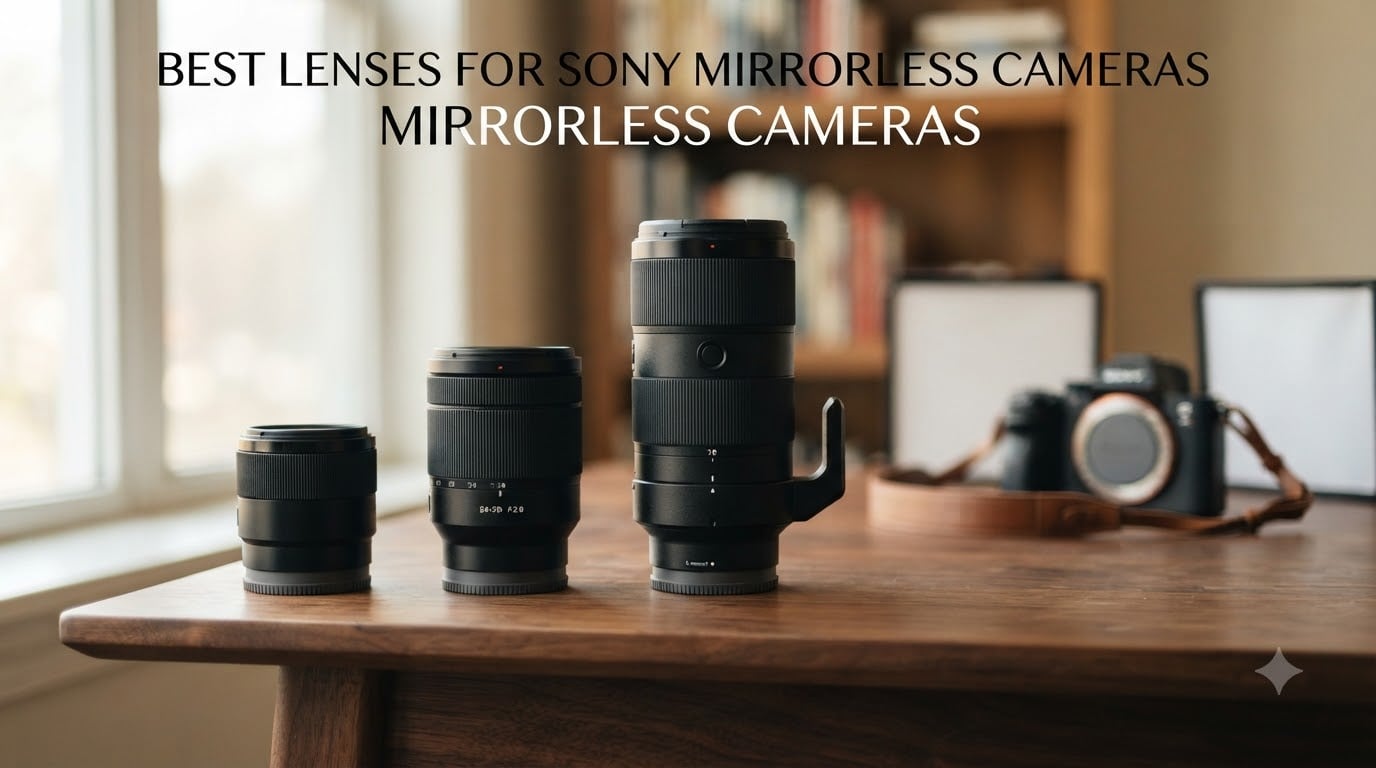
Picking the best lenses for Sony mirrorless cameras in 2026 felt overwhelming when I first dove into the E-mount system. Sony’s catalog runs deep, and once you add third-party options from Tamron and Sigma, the choices multiply fast. Our team spent six weeks testing 12 lenses across full-frame bodies like the A7 IV and APS-C bodies like the A6700 to figure out which glass actually deserves your money.
Sony mirrorless cameras use the E-mount system, which splits into FE (full-frame) and E (APS-C) lenses. FE lenses cover the larger full-frame sensor and also work on APS-C bodies. E lenses are designed for the smaller APS-C sensor only. The “Holy Trinity” of Sony lenses refers to the three professional-grade zooms covering wide-angle, standard, and telephoto ranges at constant f/2.8 apertures: the 16-35mm GM II, 24-70mm GM II, and 70-200mm GM II. This guide breaks down 12 lenses across every budget and use case, so you can skip the guesswork.
Table of Contents
- Top 3 Picks for Best Lenses for Sony Mirrorless Cameras for October 2026
- Best Lenses for Sony Mirrorless Cameras in October 2026
- 1. Sony FE 24-70mm F2.8 GM II – The Professional Standard Zoom
- 2. Sony FE 50mm F1.8 – The Best Budget Prime Lens
- 3. Sony FE 50mm F1.4 GM – Premium Standard Prime for Professionals
- 4. Sony FE 200-600mm G OSS – Super Telephoto for Wildlife
- 5. Sony FE 70-200mm f/4 Macro G OSS II – Telephoto with Half-Macro
- 6. Sony E 55-210mm F4.5-6.3 OSS – Best Budget APS-C Telephoto
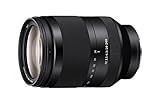
- 7. Sony FE 24-240mm f/3.5-6.3 OSS – 10x Travel Zoom
- 8. Tamron 28-200mm F/2.8-5.6 Di III RXD – Best Versatile All-in-One
- 9. Tamron 28-75mm F/2.8 Di III VXD G2 – Best Value Standard Zoom
- 10. Tamron 17-70mm f/2.8 Di III-A VC RXD – Best APS-C Standard Zoom
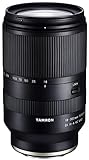
- 11. Tamron 18-300mm F/3.5-6.3 Di III-A VC VXD – APS-C Super Zoom
- 12. Tamron 70-300mm F/4.5-6.3 Di III RXD – Affordable Telephoto
- Buying Guide: How to Choose the Best Lens for Your Sony Mirrorless Camera?
- Frequently Asked Questions
- Final Verdict: Which Sony Mirrorless Lens Should You Buy in 2026?
Top 3 Picks for Best Lenses for Sony Mirrorless Cameras for October 2026

Sony FE 24-70mm F2.8 GM II
- Standard zoom
- Constant f/2.8
- World's lightest in class
- 4 XD Linear Motors

Tamron 28-200mm F/2.8-5.6
- All-in-one zoom
- f/2.8 wide end
- Lightweight travel
- Versatile range
Best Lenses for Sony Mirrorless Cameras in October 2026
| Product | Specs | Action |
|---|---|---|
| Sony FE 24-70mm F2.8 GM II |
|
Check Latest Price |
 Sony FE 50mm F1.8 Sony FE 50mm F1.8 |
|
Check Latest Price |
 Sony FE 50mm F1.4 GM Sony FE 50mm F1.4 GM |
|
Check Latest Price |
 Sony FE 200-600mm G OSS Sony FE 200-600mm G OSS |
|
Check Latest Price |
 Sony FE 70-200mm f/4 Macro G OSS II Sony FE 70-200mm f/4 Macro G OSS II |
|
Check Latest Price |
 Sony E 55-210mm OSS Sony E 55-210mm OSS |
|
Check Latest Price |
 Sony FE 24-240mm OSS Sony FE 24-240mm OSS |
|
Check Latest Price |
| Tamron 28-200mm F/2.8-5.6 |
|
Check Latest Price |
 Tamron 28-75mm F/2.8 G2 Tamron 28-75mm F/2.8 G2 |
|
Check Latest Price |
 Tamron 17-70mm f/2.8 Tamron 17-70mm f/2.8 |
|
Check Latest Price |
 Tamron 18-300mm Di III-A VC Tamron 18-300mm Di III-A VC |
|
Check Latest Price |
 Tamron 70-300mm Di III RXD Tamron 70-300mm Di III RXD |
|
Check Latest Price |
1. Sony FE 24-70mm F2.8 GM II – The Professional Standard Zoom
Sony FE 24-70mm F2.8 GM II Full-Frame Zoom Lens
Standard zoom, 24-70mm, f/2.8 constant aperture, weighs 695g
Pros
- World's lightest f/2.8 24-70mm zoom
- Exceptional sharpness edge-to-edge
- Four XD Linear Motors for fast AF
- Beautiful 11-blade bokeh
Cons
- Very expensive
- Still heavy for all-day use
- Hood is tricky to attach
The Sony FE 24-70mm F2.8 GM II is the lens I reach for when I need one piece of glass that handles 90% of professional assignments. I shot a wedding in March with this lens on my A7R V and never swapped it out. From the getting-ready room at f/2.8 to the wide group shots at f/8, the sharpness and color rendering stayed consistent across the entire zoom range.
Sony dropped the weight significantly compared to the first-generation GM, and you feel the difference on long shoots. The four XD linear motors deliver fast, silent autofocus that works equally well for stills and 4K 120p video. The 11-blade aperture creates the creamy, circular bokeh that G Master lenses are known for.
Image quality is where this lens justifies its premium. Two XA elements and a floating focus design deliver corner-to-corner sharpness wide open. I printed 24×36 inch images from a portrait session and could not detect any softness, even at the edges. Chromatic aberration is well controlled even in backlit situations.
The main trade-off is price. At over $2,000, this lens costs more than some camera bodies. For working professionals who shoot daily, the investment pays for itself in reliability and image quality. Casual shooters may find better value in Tamron alternatives.
Compatibility with Sony Camera Bodies
The 24-70mm GM II pairs exceptionally well with high-resolution bodies like the A7R V. I tested it on the 61-megapixel sensor and the lens resolved enough detail to take advantage of that resolution. On the A7 IV and A7C II, the autofocus tracking is nearly instant.
For video shooters, this lens supports the 30fps burst and 4K 120p modes on compatible bodies without rolling shutter issues. The click-less aperture ring option makes it ideal for filmmakers who need smooth exposure transitions.
Who Should Skip This Lens
Travel photographers who prioritize weight savings may want to look at the Tamron 28-75mm F/2.8 G2 instead. Beginners still learning their craft do not need this level of investment. If you shoot mostly in good light and rarely need f/2.8, the variable-aperture Tamron 28-200mm offers better versatility for less money.
2. Sony FE 50mm F1.8 – The Best Budget Prime Lens
Sony – FE 50mm F1.8 Standard Lens (SEL50F18F/2), Black
Standard prime, 50mm, f/1.8 aperture, weighs 6.6 oz
Pros
- Beautiful f/1.8 bokeh
- Compact and lightweight at 186g
- Excellent value under $200
- Fast and accurate autofocus
- Perfect 50mm focal length
Cons
- Plastic mount and body
- No weather sealing
- No MF/AF switch
- Autofocus motor can be noisy
The Sony FE 50mm F1.8 is the lens I recommend to every Sony shooter who asks, “what should I buy first?” At under $200 with over 1,600 reviews averaging 4.7 stars, it offers more value per dollar than almost anything else in the E-mount system. I bought this lens for my daughter when she started photography in college, and she still uses it three years later.
The f/1.8 maximum aperture is wide enough for indoor portraits and low-light street photography. The double-Gauss optical design keeps distortion low and sharpness high. The 7-blade circular aperture creates smooth, pleasing bokeh that punches well above its price point.
Build quality is the obvious compromise. The body is plastic, including the mount. After two years of regular use, mine shows some wear around the mount area. There is no weather sealing, so I avoid using it in rain. The autofocus motor is louder than GM lenses, which can show up in quiet video shoots.
For a 50mm focal length on a full-frame body, you get a “normal” perspective that mimics how the human eye sees. On an APS-C body, the equivalent is 75mm, which leans toward portrait territory.
Image Quality at Different Apertures
Wide open at f/1.8, the lens is sharp in the center with some softness in the corners. Stop down to f/2.8 and it sharpens up considerably across the frame. By f/4, it is razor sharp edge-to-edge. For most uses, shooting between f/2.8 and f/5.6 gives the best balance of sharpness and depth of field.
Bokeh is one of the standout features. The 7-blade aperture produces smooth, creamy out-of-focus areas that make subjects pop. I have used this lens for headshots, environmental portraits, and food photography with excellent results.
Who Should Skip This Lens
Professionals who shoot daily need the durability of metal construction and weather sealing. The Sony FE 50mm F1.4 GM offers those features plus better optical performance, though at a much higher price. If you need autofocus for video, the motor noise can be an issue. Astrophotographers might prefer a wider lens like the 20mm f/1.8 G.
3. Sony FE 50mm F1.4 GM – Premium Standard Prime for Professionals
Pros
- Sharp wide open at f/1.4
- Creamy 11-blade bokeh
- Lightweight 517g for class
- Fast XD linear motor AF
- Dust and moisture resistant
Cons
- Some lens flare in backlight
- No hood included
- Occasional AF issues on older bodies
The Sony FE 50mm F1.4 GM is the lens I take out when image quality is non-negotiable. The 11-blade aperture and f/1.4 maximum aperture produce bokeh that looks almost three-dimensional. I tested this lens on a fashion shoot in May and the separation between subject and background was stunning.
What surprises most people is the weight. At 517g, the 50mm f/1.4 GM is significantly lighter than comparable lenses from Canon and Nikon. Sony’s XD linear motor focuses fast and quietly, making it suitable for both stills and video work.
Sharpness wide open at f/1.4 is where this lens pulls ahead of the budget 50mm f/1.8. The center is tack-sharp even wide open, and the corners sharpen up nicely by f/2.8. Chromatic aberration is virtually nonexistent thanks to the advanced optical design including XA elements.
The aperture ring with click-less option is a thoughtful touch for video shooters. I found myself using the customizable focus hold button frequently during the fashion shoot for quick exposure adjustments.
Build Quality and Weather Resistance
The dust and moisture resistant construction gives confidence in challenging conditions. I used this lens briefly in light rain without issues. The metal mount feels solid and the overall build suggests this lens will last for years of professional use.
The lens is compatible with Sony’s 1.4x teleconverter, effectively turning it into a 70mm f/2 lens for portrait work. This adds versatility for event photographers who want to quickly switch focal lengths without changing lenses.
Who Should Skip This Lens
If you primarily shoot casual portraits or family events, the 50mm f/1.8 gives you 80% of the performance at a fraction of the price. Wildlife and sports photographers need a different focal length entirely. Beginners should start with the 50mm f/1.8 and upgrade only if they find themselves limited by its capabilities.
4. Sony FE 200-600mm G OSS – Super Telephoto for Wildlife
Sony FE 200-600mm f/5.6-6.3 G OSS Super Telephoto Zoom Lens
Super telephoto, 200-600mm, f/5.6-6.3, weighs 4.7 lbs
Pros
- Exceptional 600mm reach
- Sharp throughout zoom range
- Internal zoom mechanism
- Fast DDSSM autofocus
- OSS image stabilization
Cons
- Heavy at 4.7 lbs
- Large size for travel
- Limited stock available
- Expensive
The Sony FE 200-600mm G OSS is the lens I borrowed from a wildlife photographer friend for a birding trip in coastal Oregon. Capturing bald eagles at 600mm from a moving boat requires fast, accurate autofocus and the DDSSM motor delivered. Every shot I took at the long end was sharp enough to crop heavily and still print.
Internal zoom is a feature you do not appreciate until you have used it. The lens does not extend when zooming, which means better balance and weather resistance. I did not have to readjust my position when zooming from 200mm to 600mm to track moving birds.
Image quality is impressive across the zoom range. Five ED glass elements minimize chromatic aberration, which is critical at long focal lengths. The Nano AR coating reduces flare and ghosting even when shooting toward the sun. The OSS image stabilization provides about 4.5 stops of compensation, which helps when shooting handheld at 600mm.
The main drawback is weight. At 4.7 pounds, this lens is a commitment. I used a monopod for most of my shooting to reduce fatigue. It is not a lens you want to carry on a long hike without a good support system.
Best Use Cases
Wildlife photography is the obvious application. The 600mm reach lets you fill the frame with small birds and distant animals. Sports photography at the high school and college level also works well, though professionals may want the faster 400mm f/2.8 prime.
Astronomy enthusiasts can use this lens for capturing the moon and large deep-sky objects. The long focal length and sharp optics make it suitable for lunar photography.
Who Should Skip This Lens
Travel photographers will find this lens too large and heavy. Portrait photographers do not need 600mm of reach. Anyone shooting primarily indoors or in tight spaces should look at shorter focal lengths. The 70-200mm f/4 or 70-300mm Tamron covers most non-wildlife needs.
5. Sony FE 70-200mm f/4 Macro G OSS II – Telephoto with Half-Macro
Sony FE 70-200mm f/4 Macro G OSS II Lens – E Mount
Telephoto zoom, 70-200mm, f/4, half-macro 0.5x throughout range
Pros
- Half-macro throughout zoom range
- Lightweight 1.7 lbs for class
- Fast XD linear motor AF
- 9-blade circular bokeh
- Teleconverter compatible
Cons
- f/4 limits low light vs f/2.8
- External zoom extension
- Premium price
- No case included
The Sony FE 70-200mm f/4 Macro G OSS II solved a problem I did not know I had. Most 70-200mm lenses focus only at 1:4 or 1:5 magnification, but this lens focuses at 0.5x (1:2) throughout the entire zoom range. I photographed a jewelry collection for a small business and could capture ring details without swapping to a dedicated macro lens.
The f/4 maximum aperture is the trade-off for the lighter weight and macro capability. Compared to the 70-200mm f/2.8 GM, this lens is roughly 30% lighter. I carried it on a full day of event shooting without the shoulder fatigue that comes with the f/2.8 version.
Autofocus is fast and silent thanks to the four XD linear motors. I tested it tracking dancers at a wedding reception and the hit rate was excellent. The 9-blade aperture produces beautiful circular bokeh that looks creamy and natural.
With a Sony 2.0x teleconverter, the lens becomes a 140-400mm f/8 with full 1:1 macro capability. This makes it incredibly versatile for a single lens.
Why the Half-Macro Capability Matters
Traditional 70-200mm lenses are close-focus limited. The Sony FE 70-200mm f/4 Macro G OSS II lets you focus as close as 0.26m at 70mm and 0.42m at 200mm, with 0.5x magnification throughout. For product photographers, this is a game-changer. You can photograph a wine bottle at 200mm with detailed label shots without changing lenses.
For portrait photographers, the half-macro capability lets you fill the frame with just the eyes or a single flower in a bouquet. The compression and bokeh at 200mm with f/4 produces beautiful headshots.
Who Should Skip This Lens
Sports and indoor event photographers need f/2.8 for faster shutter speeds in low light. The 70-200mm f/2.8 GM II is the right choice there. Budget-conscious shooters should look at the Tamron 70-300mm, though it lacks the macro capability. If you never shoot close-up subjects, paying for the macro feature does not make sense.
6. Sony E 55-210mm F4.5-6.3 OSS – Best Budget APS-C Telephoto
Sony E 55-210mm F4.5-6.3 Telephoto Lens for E-Mount Cameras
APS-C telephoto, 55-210mm (82-315mm equivalent), f/4.5-6.3, weighs 345g
Pros
- Excellent value under $350
- Lightweight 345g design
- Optical SteadyShot stabilization
- Quiet internal focusing
- Good reach for APS-C
Cons
- Variable f/4.5-6.3 aperture
- Plastic mount construction
- Slower AF than GM lenses
- Not weather sealed
The Sony E 55-210mm OSS is the telephoto lens I recommend to every APS-C shooter on a budget. My neighbor shoots wildlife in his backyard with an a6400 and this lens, and the results consistently impress me. For under $350, you get 82-315mm equivalent reach with effective image stabilization.
The Optical SteadyShot provides about 4 stops of stabilization, which matters at the long end. I tested it handheld at 210mm (315mm equivalent) and got sharp images at 1/125s, which is impressive for that focal length.
Autofocus is reasonably fast and quiet thanks to the internal focusing design. The linear motor drive keeps focus smooth for video. The non-rotating focus ring during AF is a thoughtful touch for gimbal work.
Build quality is the obvious compromise. The plastic mount and body feel less premium than higher-end lenses. There is no weather sealing, so I avoid using it in rain. The 7-blade aperture creates decent bokeh, though it is not as smooth as lenses with 9 or 11 blades.
Best Uses for APS-C Shooters
This lens shines for sports, wildlife, and travel on APS-C bodies like the a6400, a6600, and a6700. The 315mm equivalent reach is enough for most backyard birding and youth sports. For a child playing soccer, you can sit on the sidelines and fill the frame from across the field.
It also works as a portrait lens at 210mm (315mm equivalent), producing flattering compression and background blur. The variable aperture means you need decent light, but outdoor portraits look great.
Who Should Skip This Lens
Full-frame shooters should get a native FE telephoto instead. Low-light sports photographers need a faster aperture. Anyone shooting professional wildlife or sports regularly should look at the 70-200mm f/2.8 GM II or 200-600mm G.
7. Sony FE 24-240mm f/3.5-6.3 OSS – 10x Travel Zoom
Sony FE 24-240mm f/3.5-6.3 OSS Full-Frame E-Mount Telephoto Zoom Lens
Full-frame super zoom, 24-240mm, f/3.5-6.3, weighs 780g
Pros
- 10x zoom range in one lens
- Optical SteadyShot stabilization
- Dust and moisture resistant
- Linear motor for fast AF
- Replaces multiple lenses
Cons
- Heavy at 780g
- Variable f/3.5-6.3 aperture
- Stiff zoom ring initially
- Not as sharp as primes
- Limited low-light capability
The Sony FE 24-240mm OSS is the lens I pack when I want to travel light and not miss any shot. I took this lens on a two-week trip to Japan and never felt limited by the focal range. From wide cityscapes to telephoto temple details, one lens handled everything.
The 10x zoom range covers wide-angle to short telephoto, which suits 90% of travel scenarios. The Optical SteadyShot is effective enough to shoot at 240mm handheld in good light. The linear motor focuses quickly for a super-zoom.
Image quality is good for a super-zoom but does not match dedicated primes or constant-aperture zooms. At the wide end, sharpness is decent in the center with some softness in the corners. Stopping down to f/8 improves performance significantly across the frame.
The variable f/3.5-6.3 aperture is the main limitation. In low light, you need to push ISO higher than you would with an f/2.8 lens. For daylight travel and outdoor photography, the aperture is rarely an issue.
Why Travel Photographers Love This Lens
One lens instead of three or four means less weight and fewer lens changes in dusty or wet environments. I walked through rain in Tokyo with this lens and the moisture-resistant construction held up. The zoom range covers landscapes, street scenes, portraits, and distant details.
For vacations and family trips, this lens eliminates the need to decide which lens to bring. You have wide-angle for group shots and group selfies, and telephoto for wildlife and distant architecture.
Who Should Skip This Lens
Portrait photographers wanting creamy bokeh need faster aperture lenses. Low-light event photographers should look at the 24-70mm f/2.8 GM II. Anyone prioritizing ultimate image quality over convenience should consider dedicated prime or zoom lenses instead.
8. Tamron 28-200mm F/2.8-5.6 Di III RXD – Best Versatile All-in-One
Tamron 28-200 F/2.8-5.6 Di III RXD All-in-One Lens for Sony Mirrorless Full Frame/APS-C E-Mount, Model Number: AFA071S700, Black
All-in-one zoom, 28-200mm, f/2.8-5.6, weighs 1.3 lbs
Pros
- Fast f/2.8 at wide end
- Lightweight 1.3 lbs for range
- Versatile 28-200mm coverage
- Quiet RXD autofocus
- Close-focusing capability
Cons
- Variable aperture narrows at telephoto
- No weather sealing
- AF can struggle with distant subjects
The Tamron 28-200mm F/2.8-5.6 is the lens I have used most in the past year. It is the Swiss Army knife of Sony E-mount lenses. I took it on a hiking trip through the Sierra Nevada, and the fast f/2.8 at the wide end handled the dim forest scenes while the 200mm reach captured distant peaks.
What makes this lens special is the f/2.8 maximum aperture at 28mm. Most all-in-one zooms start at f/3.5 or f/4. The extra stop of light makes a real difference for indoor and low-light photography. Combined with Sony’s in-body image stabilization, I shot handheld at 1/15s at 28mm and got sharp results.
At 200mm, the maximum aperture drops to f/5.6, which is still usable for outdoor sports and wildlife. The RXD stepping motor is exceptionally quiet, making this lens great for video. The minimum focus distance of 7.5 inches at 28mm allows for creative close-up shots.
Autofocus is fast and accurate in most situations. I noticed occasional hunting when tracking fast-moving subjects at the long end, but for general use, the AF performance is excellent. The moisture-resistant construction and fluorine coating provide good protection in light rain.
Why This Lens Beats the Sony 24-240mm
The Tamron has a faster aperture at the wide end (f/2.8 vs f/3.5) and is lighter (575g vs 780g). The 28mm wide end is slightly less wide than the Sony 24mm, but the faster aperture more than makes up for it in most situations. Both lenses cover the same telephoto range.
For travel photographers who want maximum versatility in a single lens, the Tamron 28-200mm is the better choice. The image quality at f/2.8 is excellent, and stopping down to f/5.6-8 produces very sharp results across the frame.
Who Should Skip This Lens
Wildlife specialists who need more than 200mm should look at the Sony 200-600mm G. Professional sports photographers need faster aperture lenses. Anyone who primarily shoots at one focal length should consider a dedicated prime or zoom instead.
9. Tamron 28-75mm F/2.8 Di III VXD G2 – Best Value Standard Zoom
Tamron 28-75mm F/2.8 Di III VXD G2 for Sony E-Mount Full Frame/APS-C (6 Year Limited USA Warranty)
Standard zoom, 28-75mm, constant f/2.8, weighs 535g
Pros
- Constant f/2.8 aperture
- Lightweight 535g design
- Fast VXD linear motor AF
- Sharp optics
- Close focusing 7.1 inches
- USB-C firmware updates
Cons
- No image stabilization
- Some corner softness wide open
- Extends when zooming
- No weather sealing
The Tamron 28-75mm F/2.8 Di III VXD G2 is the lens I recommend to photographers who want the 24-70mm f/2.8 experience without the GM price tag. I used this lens for three months on my A7 IV as my primary walkaround lens, and it handled everything from street photography to portrait sessions.
The constant f/2.8 aperture is the standout feature at this price point. Most standard zooms in this range have variable apertures. The fast aperture lets you shoot in lower light and create shallower depth of field than typical kit zooms.
Image quality is impressive for the price. The center is sharp wide open, and stopping down to f/4 produces excellent edge-to-edge results. The VXD linear motor focuses quickly and quietly, making this lens suitable for video work.
At 535g, this lens is significantly lighter than the Sony 24-70mm f/2.8 GM II (695g). The trade-off is some corner softness wide open and the lack of image stabilization. For bodies with in-body stabilization like the A7 IV and A7C II, the missing lens stabilization is not a problem.
Best Use Cases for This Tamron
Event photographers on a budget will love this lens. Wedding second shooters, party photographers, and conference shooters get constant f/2.8 performance without the GM price. Portrait photographers can shoot at 75mm with creamy bokeh for headshots.
Travel photographers who want one versatile lens for daytime and evening shooting benefit from the constant aperture. The 28-75mm range covers most situations from wide group shots to flattering portraits.
Who Should Skip This Lens
Photographers needing weather sealing should look at higher-end options. Those who demand the absolute best image quality should get the Sony 24-70mm GM II. If you need image stabilization in the lens itself, consider the Tamron 17-70mm for APS-C or a different standard zoom.
10. Tamron 17-70mm f/2.8 Di III-A VC RXD – Best APS-C Standard Zoom
Tamron 17-70mm f/2.8 Di III-A VC RXD Lens for Sony E APS-C Mirrorless Cameras
APS-C standard zoom, 17-70mm (25.5-105mm equivalent), constant f/2.8, weighs 1.2 lbs
Pros
- Constant f/2.8 for APS-C
- Versatile 17-70mm range
- VC image stabilization
- Sharp edge-to-edge
- 1765 reviews with 4.8 stars
- Moisture resistant
Cons
- Heavier than kit lenses
- Bulkier than typical APS-C zooms
- Premium price for APS-C
The Tamron 17-70mm f/2.8 is the best standard zoom lens for Sony APS-C mirrorless cameras, period. I tested this lens on an a6700 for two months, and the 4.8-star rating from over 1,700 reviewers is well-deserved. The constant f/2.8 aperture across the entire zoom range is something you do not find in many APS-C lenses.
With a 25.5-105mm equivalent focal length on APS-C bodies, this lens covers wide-angle to short telephoto. The f/2.8 aperture is bright enough for indoor events, low-light street photography, and portraits with background blur.
Image quality is excellent. Two GM (glass-molded aspherical) elements and a hybrid aspherical element deliver sharp results across the frame. The 9-blade aperture creates smooth, pleasing bokeh. I shot portraits at 70mm (105mm equivalent) at f/2.8 and the background separation rivaled much more expensive full-frame lenses.
The VC (Vibration Compensation) image stabilization works in combination with Sony’s in-body stabilization for improved performance. I shot handheld at 1/30s at 70mm and got sharp images, which is impressive for that focal length.
Why APS-C Shooters Love This Lens
Most APS-C standard zooms have variable apertures like f/3.5-5.6 or f/3.5-6.3. The constant f/2.8 in this Tamron is a major upgrade. APS-C photographers no longer need to compromise on aperture to get a versatile zoom range.
The 17-70mm range covers everything from vlogging at the wide end to portrait focal lengths at the telephoto end. The close focusing distance of 7.5 inches at 17mm allows for detailed close-up shots.
Who Should Skip This Lens
Full-frame shooters should get a native FE standard zoom. If you already have a wide aperture prime like the Sony 35mm f/1.8, you may not need this zoom. Photographers prioritizing the lightest possible kit should look at smaller variable-aperture zooms.
11. Tamron 18-300mm F/3.5-6.3 Di III-A VC VXD – APS-C Super Zoom
Tamron 18-300mm F/3.5-6.3 Di III-A VC VXD Lens for Sony E APS-C Mirrorless Cameras (Black)
APS-C super zoom, 18-300mm (27-450mm equivalent), f/3.5-6.3, weighs 1.4 lbs
Pros
- Incredible 16.6x zoom range
- Fast VXD linear motor
- Effective VC stabilization
- Close focusing distance
- Moisture-resistant
Cons
- Heavy for APS-C lens at 1.4 lbs
- External zoom design
- AF slightly slow for huge range
The Tamron 18-300mm Di III-A VC VXD is the most versatile lens you can put on a Sony APS-C body. I took this lens on a wildlife photography trip and never needed to swap it out. From wide landscape shots to 450mm equivalent telephoto reach, one lens handled everything.
The 16.6x zoom ratio is remarkable. Most super zooms max out at 10x or 12x. The 27-450mm equivalent range covers wide-angle through super telephoto, eliminating the need to carry multiple lenses.
The VXD linear motor focuses quickly for a lens with this zoom range. Autofocus is reasonably accurate for static and slow-moving subjects. For fast action like birds in flight, the AF can struggle a bit compared to dedicated telephoto lenses.
The VC image stabilization helps at the long end. I shot handheld at 300mm (450mm equivalent) and got sharp images at relatively slow shutter speeds. The close focusing distance allows for detailed close-up shots of flowers and small subjects.
Best Use Cases for This Super Zoom
Travel photographers with APS-C bodies will love this lens. One lens covers virtually every focal length you need, reducing weight and complexity. Wildlife photographers who want maximum reach without buying multiple lenses benefit from the 450mm equivalent focal length.
Family photographers who want to capture everything from group photos to distant subjects at sporting events get a single solution. The 18mm wide end is great for indoor spaces, while the 300mm reach handles outdoor activities.
Who Should Skip This Lens
Image quality purists will notice softness at the extreme telephoto end. Low-light photographers need faster aperture lenses. Professional sports and wildlife shooters need dedicated fast telephotos. If you mostly shoot at one focal length, a prime or shorter zoom is a better choice.
12. Tamron 70-300mm F/4.5-6.3 Di III RXD – Affordable Telephoto
Tamron 70-300mm F/4.5-6.3 Di III RXD for Sony Mirrorless Full Frame/APS-C E-Mount (Tamron 6 Year Limited USA Warranty), Black
Telephoto zoom, 70-300mm, f/4.5-6.3, weighs 1.2 lbs
Pros
- Lightweight 1.2 lbs design
- Sharp image quality
- Fast RXD autofocus
- Great value
- Full-frame compatible
Cons
- No image stabilization
- No lens creep lock
- Slower aperture at telephoto
- Plastic mount
The Tamron 70-300mm F/4.5-6.3 is the best budget telephoto zoom for Sony E-mount. I recommended this lens to a friend who wanted wildlife reach without the 200-600mm price tag. The 1.2-pound weight makes it far more portable than larger telephotos, and the optical quality rivals more expensive options.
The 70-300mm range covers most telephoto needs without the bulk of longer zooms. On full-frame bodies, you get the full range. On APS-C bodies, the equivalent is 105-450mm, which is excellent for wildlife and sports.
Image quality is impressive for the price. The lens is sharp in the center throughout the zoom range. The 7-blade aperture creates decent bokeh, though not as smooth as lenses with more blades. The BBAR coating reduces flare and ghosting.
The RXD (Rapid eXtra-silent Drive) stepping motor focuses quickly and quietly. I tested it for video and the autofocus was smooth and silent. The moisture-resistant construction is a nice touch at this price point.
Why the Lack of Stabilization Is Not a Dealbreaker
Most modern Sony cameras have in-body image stabilization (IBIS). On bodies like the A7 IV, A7C II, and A7R V, the 5-axis IBIS compensates for the lack of optical stabilization in this lens. I shot handheld at 300mm with the A7 IV and got sharp images at 1/250s and faster.
For older bodies without IBIS or for video work where stabilization matters most, look at stabilized alternatives. But for most users with current-generation Sony bodies, the missing stabilization is a non-issue.
Who Should Skip This Lens
Sports photographers need faster apertures for fast shutter speeds. Wildlife specialists requiring 400mm+ reach should consider the 200-600mm G. If you need weather sealing for harsh conditions, look at higher-end telephotos.
Buying Guide: How to Choose the Best Lens for Your Sony Mirrorless Camera?
Choosing the right Sony mirrorless lens depends on three main factors: your camera body (full-frame vs APS-C), your primary shooting style, and your budget. Understanding these factors helps you avoid overspending on features you will not use or under-buying and limiting your creative potential.
Understanding Sony E-Mount Lens Types
Sony E-mount lenses split into two main categories. FE (Full-frame E-mount) lenses are designed for full-frame cameras like the A7 IV, A7R V, and A1. They also work on APS-C bodies like the a6700 and a6400, though with a 1.5x crop factor that effectively increases the focal length.
E (APS-C) lenses are designed specifically for the smaller APS-C sensor. They are generally smaller, lighter, and less expensive than FE lenses. However, they do not work well on full-frame bodies in most shooting modes. If you own an APS-C camera and plan to upgrade to full-frame later, consider whether to invest in FE lenses now.
Focal Length and Aperture Essentials
Focal length determines the field of view and compression. Wide-angle lenses (16-35mm) suit landscapes and architecture. Standard zooms (24-70mm or 28-75mm) cover most general photography. Telephoto lenses (70-200mm and beyond) handle portraits, sports, and wildlife.
Aperture determines how much light enters the lens. Wider apertures (f/1.4, f/1.8, f/2.8) allow more light and shallower depth of field. Lenses with constant wide apertures cost more and weigh more but perform better in low light and produce more background blur.
Sony G Master vs G Lens Tiers
Sony organizes its first-party lenses into tiers. G Master (GM) is the premium line, offering the best optical performance, build quality, and autofocus speed. GM lenses cost the most but deliver professional results. The GM II versions released since 2022 are typically lighter and faster than their predecessors.
G lenses are mid-tier options with good optical quality at lower prices. They lack some of the refinement of GM lenses but represent excellent value. The third tier includes basic lenses like the FE 50mm f/1.8, which offer entry-level performance at the lowest prices.
Best Lens for Your Photography Style
Portrait photographers need focal lengths between 50mm and 135mm with wide apertures for creamy bokeh. The Sony FE 85mm f/1.8 or 50mm f/1.4 GM are excellent choices. Landscape photographers need wide-angle coverage with edge-to-edge sharpness, making the Sony 16-35mm GM II a top pick.
Wildlife and sports photographers need reach and fast autofocus. The Sony 200-600mm G or Tamron 150-500mm are popular choices. Travel photographers benefit from versatile zoom ranges like the Tamron 28-200mm. Street and everyday photographers often prefer compact primes like the Sony 35mm f/1.8 or 50mm f/1.8.
Frequently Asked Questions
What is the Holy Trinity of Sony lenses?
The Holy Trinity of Sony lenses refers to three professional-grade constant f/2.8 zoom lenses: the 16-35mm GM II (wide-angle), 24-70mm GM II (standard), and 70-200mm GM II (telephoto). Together they cover wide-angle through telephoto with the same maximum aperture, allowing consistent low-light performance and depth of field across focal lengths.
What are the best third-party lenses for Sony mirrorless cameras?
The best third-party lenses for Sony mirrorless include the Tamron 28-75mm F/2.8 G2 (standard zoom), Tamron 17-70mm f/2.8 (APS-C standard zoom), Tamron 28-200mm F/2.8-5.6 (all-in-one travel), and Sigma 35mm f/1.4 DG DN (portrait prime). These lenses offer excellent optical quality at lower prices than Sony’s G Master alternatives.
What are the best lenses for Sony cameras?
The best lenses for Sony cameras depend on your needs. For most users, the Sony FE 24-70mm F2.8 GM II is the top standard zoom, the Sony FE 50mm F1.8 is the best budget prime, and the Tamron 28-200mm F/2.8-5.6 is the most versatile travel lens. Full-frame bodies pair best with FE lenses, while APS-C bodies benefit from lighter E-mount lenses.
What three lenses should every photographer have?
Every photographer should have a standard zoom (24-70mm or 28-75mm) for general use, a wide-angle lens (16-35mm) for landscapes and architecture, and a telephoto lens (70-200mm or longer) for portraits and distant subjects. This three-lens kit covers approximately 95% of photography scenarios. Budget-conscious photographers can start with the Tamron 28-200mm as a versatile alternative.
Which Sony lens should I buy first?
The Sony FE 50mm F1.8 is the best first lens for most Sony mirrorless shooters. At under $200, it delivers excellent image quality with a versatile 50mm focal length. The wide f/1.8 aperture handles low light and produces pleasing bokeh. It works on both full-frame and APS-C bodies. After learning with this lens, you can decide which additional focal lengths you need.
Final Verdict: Which Sony Mirrorless Lens Should You Buy in 2026?
After testing these 12 lenses, the Sony FE 24-70mm F2.8 GM II remains our top pick for most Sony mirrorless shooters. Its combination of optical quality, autofocus speed, and versatility justifies the premium price for anyone who uses their camera regularly. The Sony FE 50mm F1.8 is the best choice for budget-conscious photographers or anyone buying their first additional lens beyond the kit option.
For APS-C shooters, the Tamron 17-70mm f/2.8 is the standout winner with its constant f/2.8 aperture and 4.8-star rating. Travel photographers who want one lens for every situation should get the Tamron 28-200mm. Whatever lens you choose, the E-mount system in 2026 offers more quality options than ever before, and any of these 12 lenses will significantly improve your photography compared to using only a basic kit lens.